The landscape of digital finance is evolving rapidly, and a recent announcement from the US Securities and Exchange Commission (SEC) has stirred conversations within the industry. The SEC’s Division of Corporation Finance has articulated its insights on crypto staking, aiming to bring much-needed clarity to the complexities of cryptocurrency regulation.
Insights from the SEC on Staking Activities
On a notable Thursday, the SEC’s Division of Corporation Finance released important guidance on Protocol Staking. This guidance reinforces that the majority of staking activities do not fall under US securities regulations and thus, do not require registration with the SEC.
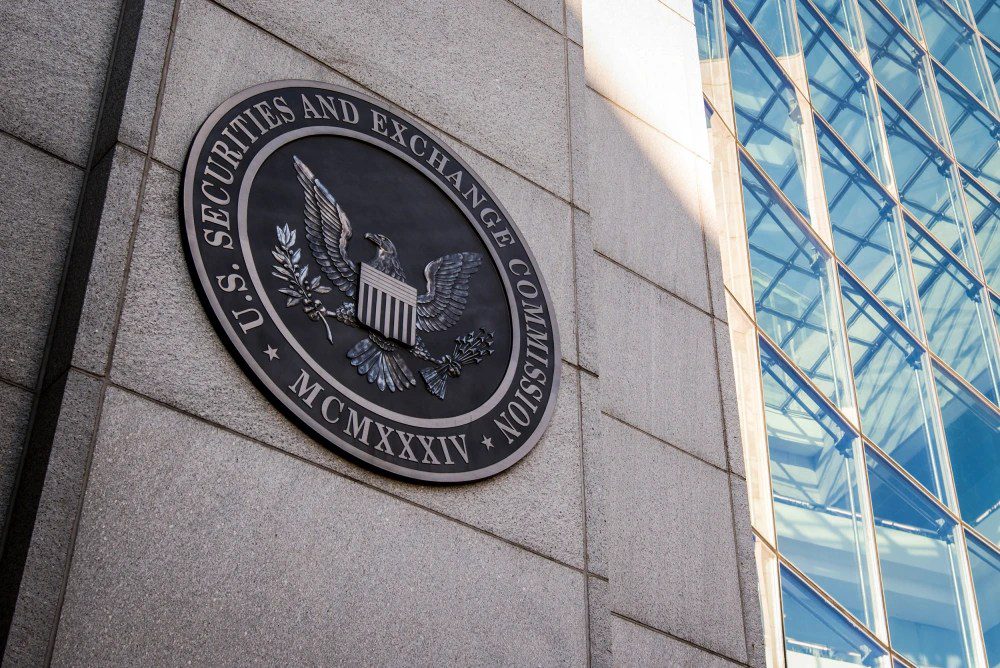
The SEC noted that certain staking endeavors on Proof-of-Stake (PoS) networks are not recognized as securities transactions in accordance with federal law. Their statement elaborates that the new directive specifically addresses staking activities essential to the operational functioning of open-access networks, promoting transparency.
As a result, various staking methods—including self-staking, custodial staking through trusted third-party validators, and staking by platforms on behalf of their users—do not fulfill the criteria established by the Howey Test, meaning they are not classified as securities transactions.
Prominent journalist Eleanor Terret pointed out that this announcement is crucial for exchange-traded funds (ETFs) looking to incorporate staking, emphasizing that “staking in this capacity is generally not regarded as a securities transaction by the Division of Corporation Finance.”
Nevertheless, it is important to note that the guidance doesn’t encompass every staking method: “This statement pertains to Protocol Staking broadly but does not cover all variations. Additionally, it excludes forms such as ‘liquid staking’ and ‘restaking.’”
The Growing Debate: “Stake It Till You Make It”?
In the wake of this news, SEC Commissioner Hester Peirce expressed that the SEC’s latest guidance “affords much-needed clarity for individuals engaging in staking.” This shift aims to alleviate the apprehensions that have previously hindered many from participating in staking due to fears of contravening securities laws.
“Providing Security is not a ‘Security,’” she stated, underlining that the previously ambiguous rules had limited user participation and threatened the core principles of decentralization in PoS networks.
This announcement follows a collective appeal from nearly 30 industry stakeholders and advocacy groups, calling for clear staking regulations. Notably, on April 30, the Crypto Council for Innovation’s (CCI) Proof of Stake Alliance (POSA) sent a collective letter to the SEC urging for guidance on the matter.
The coalition pointed out that the SEC’s regulatory framework, which shifted under the previous administration, is not well-suited for staking agreements, emphasizing the technical nature of such services over financial considerations.
The group advocated for a clear, principle-driven approach to the regulation of staking, highlighting the SEC’s earlier remarks on Proof-of-Work (PoW) mining as a foundation for user protection while promoting staking’s growth.
However, not all SEC Commissioners aligned with the new stance. Commissioner Caroline Crenshaw conveyed her concerns in a recent statement, arguing that “staff overlooks how its conclusions conflict with applicable law.”
Crenshaw expressed skepticism about the division of Corporation Finance’s reasoning, suggesting it does not align with existing legal precedents regarding staking, putting forth that “This is yet another instance of the SEC’s ‘fake it till you make it’ approach to crypto regulation.”