How Nigeria Became Africa’s Crypto Powerhouse
Nigeria has emerged as a leading player in the cryptocurrency landscape, establishing itself as Africa’s crypto powerhouse. This transformation is driven by a combination of factors, including a young, tech-savvy population, increasing internet penetration, and a growing demand for alternative financial solutions. In this article, we will delve into the various elements that have contributed to Nigeria’s rise in the cryptocurrency sector, the challenges it faces, and the future outlook for this vibrant market.
The Rise of Cryptocurrency in Nigeria
The journey of cryptocurrency in Nigeria began in the early 2010s, with Bitcoin gaining traction among tech enthusiasts and early adopters. As awareness grew, so did the interest in various cryptocurrencies, leading to a burgeoning market. By 2021, Nigeria had become one of the top countries in the world for cryptocurrency adoption, according to a report by Chainalysis.
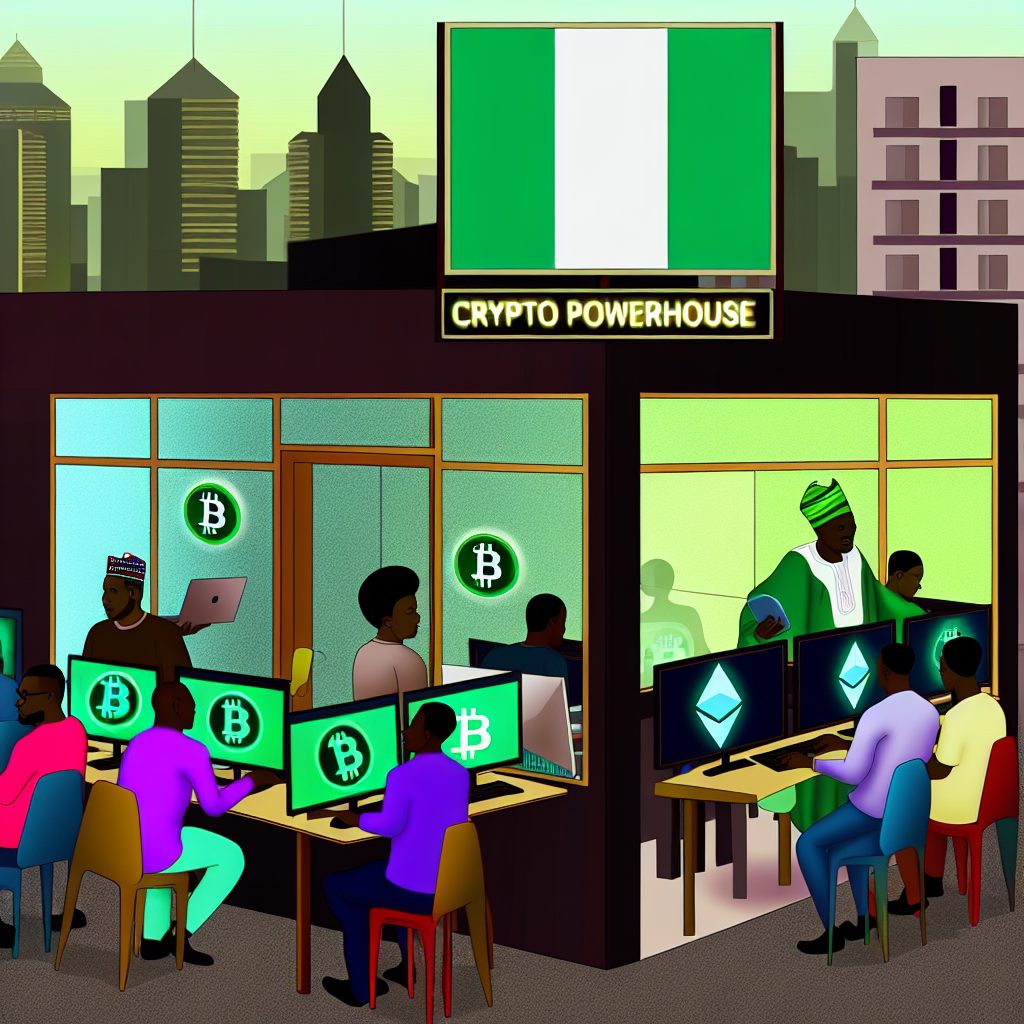
Factors Contributing to Nigeria’s Crypto Dominance
Several key factors have played a significant role in Nigeria’s emergence as a crypto powerhouse:
- Youthful Population: With over 60% of its population under the age of 25, Nigeria boasts a vibrant and tech-savvy demographic eager to explore new financial technologies.
- Financial Inclusion: A significant portion of the Nigerian population remains unbanked. Cryptocurrencies offer an alternative means of accessing financial services, enabling individuals to participate in the global economy.
- Remittances: Nigeria is one of the largest recipients of remittances in Africa. Cryptocurrencies provide a cost-effective and efficient way to send money across borders, reducing reliance on traditional banking systems.
- Inflation and Currency Devaluation: The Nigerian Naira has faced significant devaluation, prompting citizens to seek refuge in cryptocurrencies as a store of value.
- Peer-to-Peer (P2P) Trading: The rise of P2P platforms such as Binance, Kucoin, and MEXC has facilitated easier access to cryptocurrencies, allowing users to trade directly with one another.
The Role of Technology and Innovation
Nigeria’s tech ecosystem has been instrumental in fostering innovation within the cryptocurrency space. The country is home to numerous blockchain startups and tech hubs that are driving the development of new solutions and services. Notable examples include:
- Blockchain Startups: Companies like BitPesa and The Rock Trading are leveraging blockchain technology to provide financial services tailored to the needs of Nigerians.
- Crypto Education: Initiatives aimed at educating the public about cryptocurrencies and blockchain technology have gained momentum, with workshops, webinars, and online courses becoming increasingly popular.
- Local Exchanges: The emergence of local exchanges has made it easier for Nigerians to buy, sell, and trade cryptocurrencies. Platforms like Luno and Quidax have gained significant traction.
Government Regulations and Challenges
Despite its rapid growth, the cryptocurrency industry in Nigeria faces several challenges, particularly concerning regulatory frameworks. In February 2021, the Central Bank of Nigeria (CBN) issued a directive prohibiting banks from facilitating cryptocurrency transactions. This move created uncertainty in the market and led to a temporary decline in trading volumes.
However, the Nigerian government has since recognized the potential of blockchain technology and is exploring ways to regulate the industry effectively. The introduction of the Nigeria Digital Currency (eNaira) in October 2021 marked a significant step towards embracing digital currencies while maintaining regulatory oversight.
The Future of Cryptocurrency in Nigeria
The future of cryptocurrency in Nigeria looks promising, with several trends indicating continued growth:
- Increased Adoption: As more Nigerians become aware of cryptocurrencies and their benefits, adoption rates are expected to rise further.
- Regulatory Clarity: Ongoing discussions between the government and industry stakeholders may lead to clearer regulations that foster innovation while protecting consumers.
- Integration with Traditional Finance: The integration of cryptocurrencies with traditional financial systems could enhance accessibility and usability for the average Nigerian.
- Global Partnerships: Collaborations with international crypto firms may provide Nigerian startups with the resources and expertise needed to scale their operations.
FAQs About Nigeria’s Crypto Landscape
1. What is the current state of cryptocurrency regulation in Nigeria?
The regulatory environment in Nigeria is evolving. While the Central Bank of Nigeria has issued directives against banks facilitating crypto transactions, there is ongoing dialogue about creating a more structured regulatory framework that supports innovation.
2. How can I buy cryptocurrencies in Nigeria?
Nigerians can purchase cryptocurrencies through various platforms, including local exchanges like Luno and Quidax, as well as international exchanges that offer P2P trading options, such as Binance and Kucoin.
3. What are the risks associated with investing in cryptocurrencies in Nigeria?
Investing in cryptocurrencies carries inherent risks, including market volatility, regulatory uncertainty, and potential security threats. It is essential for investors to conduct thorough research and exercise caution.
4. Are cryptocurrencies legal in Nigeria?
While cryptocurrencies are not illegal in Nigeria, the Central Bank has imposed restrictions on banks facilitating crypto transactions. However, individuals can still trade and hold cryptocurrencies through various platforms.
5. What is the future outlook for cryptocurrency in Nigeria?
The future of cryptocurrency in Nigeria appears bright, with increasing adoption, potential regulatory clarity, and a growing tech ecosystem that supports innovation in the space.
Conclusion
Nigeria’s ascent as Africa’s crypto powerhouse is a testament to the country’s dynamic population and the increasing demand for alternative financial solutions. With a youthful demographic, a growing tech ecosystem, and a strong interest in cryptocurrencies, Nigeria is well-positioned to continue its leadership in the African crypto market. As regulatory frameworks evolve and the industry matures, the potential for growth and innovation remains significant, paving the way for a more inclusive financial future for millions of Nigerians.