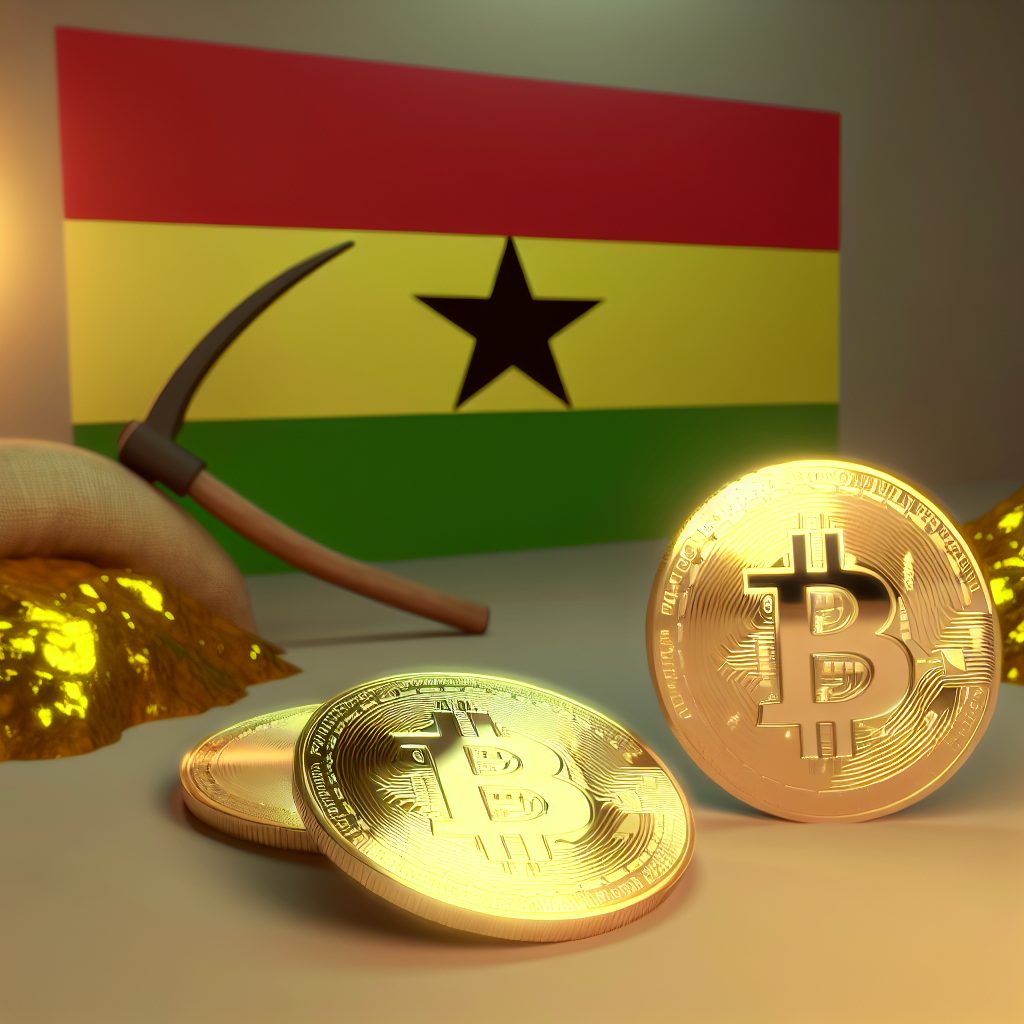
Crypto in Ghana: The New Gold Rush
The cryptocurrency landscape in Ghana is rapidly evolving, presenting a unique opportunity for investors, entrepreneurs, and tech enthusiasts alike. As the world shifts towards digital currencies, Ghana stands at the forefront of this transformation, embracing blockchain technology and the myriad possibilities it offers. This article delves into the current state of cryptocurrency in Ghana, exploring its potential, challenges, and the future outlook for this burgeoning market.
The Rise of Cryptocurrency in Ghana
In recent years, Ghana has witnessed a significant surge in interest and participation in the cryptocurrency market. Factors contributing to this growth include:
- Increased Internet Penetration: With over 50% of the population having access to the internet, Ghanaians are increasingly engaging with digital platforms, including cryptocurrency exchanges.
- Young Population: Ghana has a youthful demographic, with a large percentage of the population under 30. This tech-savvy group is more open to adopting new technologies, including cryptocurrencies.
- Economic Instability: Economic challenges, such as inflation and currency depreciation, have led many Ghanaians to seek alternative investment avenues, making cryptocurrencies an attractive option.
Understanding Cryptocurrency
Cryptocurrency is a digital or virtual form of currency that uses cryptography for security. Unlike traditional currencies issued by governments, cryptocurrencies operate on decentralized networks based on blockchain technology. This decentralization offers several advantages:
- Security: Transactions are secured through cryptographic techniques, making it difficult for fraudsters to manipulate the system.
- Transparency: All transactions are recorded on a public ledger, ensuring accountability and traceability.
- Lower Transaction Fees: Cryptocurrency transactions often incur lower fees compared to traditional banking systems.
Popular Cryptocurrencies in Ghana
Several cryptocurrencies have gained traction in Ghana, with Bitcoin leading the charge. Other notable cryptocurrencies include:
- Ethereum (ETH): Known for its smart contract functionality, Ethereum is popular among developers and investors.
- Ripple (XRP): Ripple is favored for its fast transaction speeds and low fees, making it suitable for remittances.
- Litecoin (LTC): Often referred to as the silver to Bitcoin’s gold, Litecoin offers faster transaction times and a different hashing algorithm.
The Role of Blockchain Technology
Blockchain technology is the backbone of cryptocurrencies, providing a secure and transparent way to record transactions. In Ghana, blockchain is being explored for various applications beyond cryptocurrency, including:
- Agriculture: Blockchain can enhance supply chain transparency, helping farmers track their products from farm to market.
- Healthcare: Secure patient data management and tracking of medical supplies can be improved through blockchain solutions.
- Voting Systems: Blockchain technology can be utilized to create secure and transparent voting systems, increasing trust in electoral processes.
Challenges Facing Cryptocurrency Adoption in Ghana
Despite the promising outlook for cryptocurrency in Ghana, several challenges hinder its widespread adoption:
- Regulatory Uncertainty: The lack of clear regulations surrounding cryptocurrencies creates confusion and hesitance among potential investors.
- Scams and Fraud: The rise of fraudulent schemes targeting unsuspecting investors has led to skepticism about the legitimacy of cryptocurrencies.
- Limited Access to Banking Services: Many Ghanaians lack access to traditional banking services, which can complicate the process of buying and selling cryptocurrencies.
The Government’s Stance on Cryptocurrency
The Ghanaian government has taken a cautious approach towards cryptocurrency. In 2021, the Bank of Ghana issued a warning about the risks associated with digital currencies, emphasizing the need for regulation. However, the government is also exploring the potential of a Central Bank Digital Currency (CBDC), which could pave the way for a more structured cryptocurrency environment.
Peer-to-Peer (P2P) Trading in Ghana
P2P trading platforms have become increasingly popular in Ghana, allowing users to buy and sell cryptocurrencies directly with one another. This method offers several advantages:
- Accessibility: P2P platforms enable users to trade without the need for a traditional bank account.
- Flexibility: Users can negotiate prices and payment methods, making transactions more convenient.
- Privacy: P2P trading often allows for more privacy compared to centralized exchanges.
Investment Opportunities in Ghana’s Crypto Market
As the cryptocurrency market continues to grow, numerous investment opportunities are emerging in Ghana:
- Cryptocurrency Trading: Individuals can engage in trading various cryptocurrencies on exchanges or through P2P platforms.
- Mining: With the right hardware and knowledge, Ghanaians can participate in cryptocurrency mining, contributing to network security while earning rewards.
- Blockchain Startups: Entrepreneurs can explore opportunities in developing blockchain-based solutions tailored to local needs.
Education and Awareness Initiatives
To foster a better understanding of cryptocurrency and blockchain technology, several organizations and communities in Ghana are working to educate the public. Initiatives include:
- Workshops and Seminars: Educational events are being organized to teach individuals about cryptocurrency trading, blockchain technology, and investment strategies.
- Online Courses: Various platforms offer online courses focused on cryptocurrency and blockchain, making education accessible to a wider audience.
- Community Groups: Local crypto communities are forming to share knowledge, experiences, and resources among enthusiasts.
The Future of Cryptocurrency in Ghana
The future of cryptocurrency in Ghana looks promising, with several factors indicating continued growth:
- Increased Adoption: As more Ghanaians become aware of cryptocurrencies, adoption rates are likely to rise.
- Regulatory Developments: Clear regulations could provide a safer environment for investors and encourage more participation in the market.
- Technological Advancements: Innovations in blockchain technology may lead to new applications and use cases, further driving interest in cryptocurrencies.
FAQs about Cryptocurrency in Ghana
What is the legal status of cryptocurrency in Ghana?
Cryptocurrency is not recognized as legal tender in Ghana, but it is not illegal. The government is working on regulations to govern its use.
How can I buy cryptocurrency in Ghana?
You can buy cryptocurrency through exchanges, P2P platforms, or local brokers. Ensure you choose reputable platforms to avoid scams.
Is cryptocurrency safe to invest in?
While cryptocurrencies can be volatile and risky, they also offer significant potential for returns. It’s essential to conduct thorough research and only invest what you can afford to lose.
What are the risks associated with cryptocurrency?
Risks include market volatility, regulatory changes, scams, and the potential for loss of funds due to hacking or fraud.
Can I mine cryptocurrency in Ghana?
Yes, you can mine cryptocurrencies in Ghana, but it requires significant investment in hardware and electricity. It’s essential to research the profitability of mining specific coins.
Conclusion
The cryptocurrency industry in Ghana is experiencing a dynamic transformation, akin to a new gold rush. With a growing interest in digital currencies, advancements in blockchain technology, and a youthful population eager to embrace innovation, Ghana is poised to become a significant player in the global crypto market. However, challenges such as regulatory uncertainty and the need for education remain. By addressing these issues and fostering a supportive environment for cryptocurrency adoption, Ghana can harness the full potential of this digital revolution.
Disclaimer: This article is for informational purposes only and should not be considered financial advice. Always conduct your own research and consult with a financial advisor before making investment decisions.