Crypto Wallets Are the New Bank Accounts in Nigeria
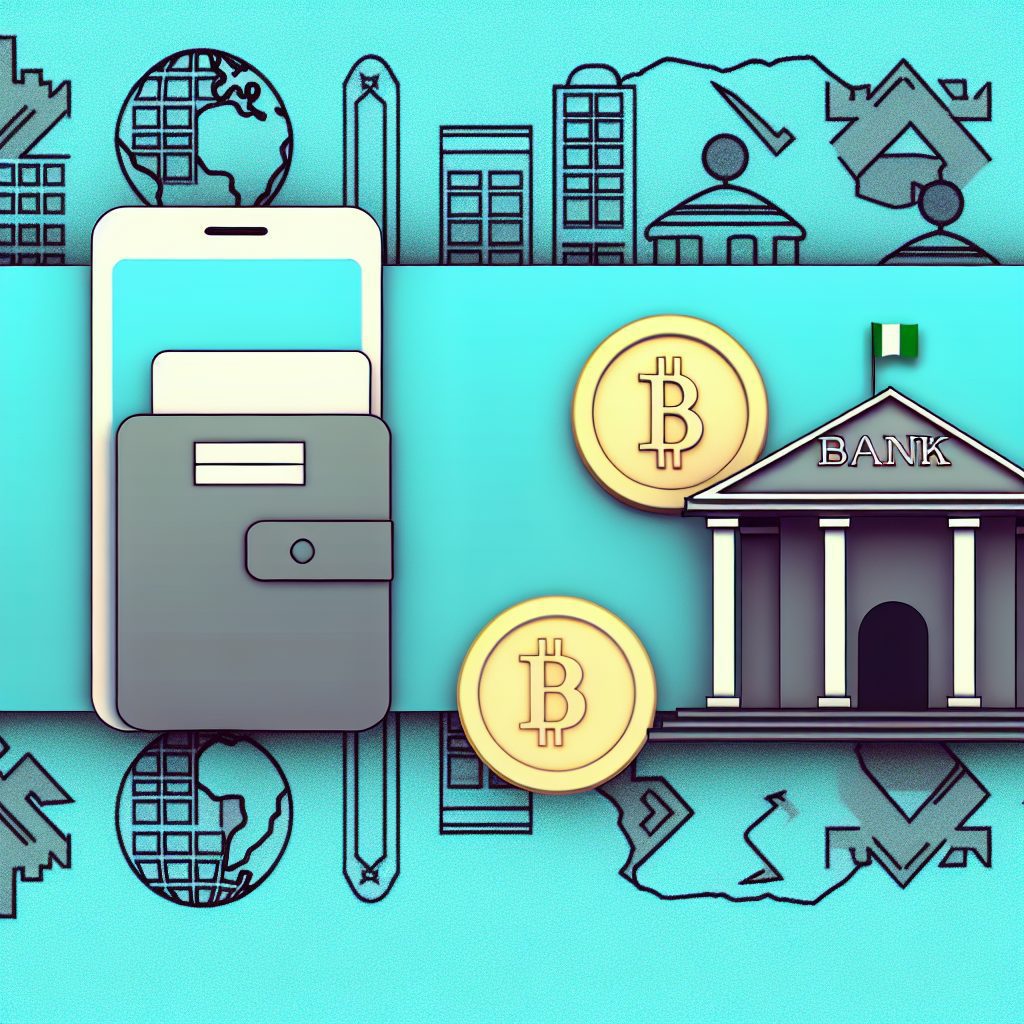
The financial landscape in Nigeria is undergoing a significant transformation, driven by the rise of cryptocurrency and the adoption of digital wallets. As traditional banking systems face challenges such as high fees, limited access, and bureaucratic hurdles, many Nigerians are turning to crypto wallets as a viable alternative to conventional bank accounts. This article delves into the reasons behind this shift, the benefits of using crypto wallets, and the implications for the future of finance in Nigeria.
The Current State of Banking in Nigeria
Nigeria’s banking sector has long been characterized by a mix of innovation and inefficiency. While the country boasts a growing number of banks and financial institutions, many Nigerians still face barriers to accessing basic banking services. According to a report by the World Bank, approximately 36% of adults in Nigeria remain unbanked, primarily due to factors such as:
- High fees: Traditional banks often impose high charges for account maintenance and transactions.
- Limited access: many rural areas lack physical bank branches, making it difficult for residents to open accounts.
- Bureaucratic hurdles: The process of opening a bank account can be lengthy and complicated, deterring potential customers.
These challenges have created a fertile ground for the adoption of cryptocurrency and digital wallets, which offer a more accessible and user-friendly alternative.
Understanding Crypto Wallets
A crypto wallet is a digital tool that allows users to store, send, and receive cryptocurrencies. Unlike traditional bank accounts, crypto wallets do not require a central authority or intermediary, enabling users to have full control over their funds. There are several types of crypto wallets, including:
- Hot wallets: These are connected to the internet and are ideal for everyday transactions. Examples include mobile wallets and web wallets.
- Cold wallets: These are offline storage solutions, such as hardware wallets and paper wallets, providing enhanced security for long-term holdings.
Each type of wallet has its advantages and disadvantages, but the key takeaway is that they empower users to manage their finances independently.
Why Nigerians Are Embracing Crypto Wallets
The growing popularity of crypto wallets in Nigeria can be attributed to several factors:
1. Financial Inclusion
Crypto wallets provide an opportunity for the unbanked population to participate in the financial system. With just a smartphone and internet access, individuals can create a wallet and start transacting without the need for a traditional bank account.
2. Lower Transaction Costs
Transaction fees associated with cryptocurrency transfers are often significantly lower than those charged by banks. This is particularly beneficial for Nigerians who frequently send money across borders or make small transactions.
3. Security and Control
Crypto wallets offer enhanced security features, such as encryption and private keys, which give users full control over their funds. This is especially appealing in a country where financial fraud and corruption are prevalent.
4. Investment Opportunities
Many Nigerians view cryptocurrencies as a viable investment option. With the potential for high returns, individuals are increasingly using crypto wallets to buy and hold digital assets.
5. Peer-to-Peer Transactions
Crypto wallets facilitate peer-to-peer transactions, allowing users to send and receive funds directly without intermediaries. This is particularly advantageous in a country where traditional banking services may be unreliable.
The Role of Cryptocurrency in Nigeria’s Economy
The rise of cryptocurrency in Nigeria is not just a trend; it is reshaping the country’s economic landscape. According to a report by Statista, Nigeria ranks among the top countries in cryptocurrency adoption, with millions of users engaging in trading and investment activities.
This growing interest in digital currencies has several implications for the Nigerian economy:
- Increased remittances: Cryptocurrency offers a cost-effective solution for Nigerians living abroad to send money home, bypassing traditional remittance services that charge high fees.
- Job creation: The burgeoning crypto industry is creating new job opportunities in areas such as blockchain development, trading, and digital marketing.
- Innovation: The rise of crypto wallets has spurred innovation in financial technology, leading to the development of new services and products tailored to the needs of Nigerian users.
Challenges Facing Crypto Wallet Adoption in Nigeria
Despite the numerous benefits, the adoption of crypto wallets in Nigeria is not without challenges. Some of the key obstacles include:
1. Regulatory Uncertainty
The Nigerian government has taken a cautious approach to cryptocurrency regulation. In 2021, the Central Bank of Nigeria (CBN) issued a directive prohibiting banks from facilitating cryptocurrency transactions. This has created an environment of uncertainty for users and businesses operating in the crypto space.
2. Lack of Education
Many Nigerians are still unfamiliar with how cryptocurrencies and wallets work. This lack of knowledge can lead to hesitancy in adopting these technologies.
3. Security Concerns
While crypto wallets offer enhanced security features, they are not immune to hacking and fraud. Users must be vigilant and take necessary precautions to protect their assets.
How to Choose the Right Crypto Wallet
Choosing the right crypto wallet is crucial for ensuring the security and accessibility of your digital assets. Here are some factors to consider:
- Security features: Look for wallets that offer strong encryption, two-factor authentication, and backup options.
- User experience: Choose a wallet with an intuitive interface that is easy to navigate, especially for beginners.
- Supported cryptocurrencies: Ensure that the wallet supports the cryptocurrencies you intend to use or invest in.
- Reputation: Research the wallet provider’s reputation and read user reviews to gauge reliability and trustworthiness.
Future of Crypto Wallets in Nigeria
The future of crypto wallets in Nigeria looks promising, with several trends indicating continued growth and adoption:
1. Increased Regulation
As the government becomes more familiar with cryptocurrency, it is likely that clearer regulations will emerge. This could provide a more stable environment for users and businesses.
2. Integration with Traditional Finance
We may see greater integration between crypto wallets and traditional banking services, allowing users to seamlessly transfer funds between their bank accounts and digital wallets.
3. Enhanced User Education
As awareness of cryptocurrencies grows, educational initiatives will likely increase, helping users understand how to use wallets safely and effectively.
FAQs
What is a crypto wallet?
A crypto wallet is a digital tool that allows users to store, send, and receive cryptocurrencies. It provides users with control over their digital assets without the need for a central authority.
Are crypto wallets safe?
While crypto wallets offer enhanced security features, they are not completely immune to risks. Users must take precautions, such as using strong passwords and enabling two-factor authentication, to protect their assets.
Can I use a crypto wallet for everyday transactions?
Yes, many crypto wallets are designed for everyday transactions, allowing users to send and receive payments quickly and easily.
How do I choose the best crypto wallet for me?
Consider factors such as security features, user experience, supported cryptocurrencies, and the reputation of the wallet provider when choosing a crypto wallet.
Conclusion
The emergence of crypto wallets as a new form of banking in Nigeria represents a significant shift in the financial landscape. With their potential to enhance financial inclusion, reduce transaction costs, and provide users with greater control over their funds, crypto wallets are poised to play a crucial role in the future of finance in the country. As regulatory clarity improves and user education increases, the adoption of these digital tools is likely to accelerate, paving the way for a more inclusive and innovative financial ecosystem.
Disclaimer: The information provided in this article is for informational purposes only and should not be considered financial advice. Always conduct your own research and consult with a financial advisor before making investment decisions.