Crypto-Powered School Lunches in West Africa
The integration of cryptocurrency into everyday life is transforming various sectors, and education is no exception. In West Africa, innovative solutions are emerging that leverage the power of digital currencies to enhance school lunch programs. This article delves into how cryptocurrencies are being utilized to improve access to nutritious meals for students, the benefits of this approach, and the challenges that lie ahead.
The Current State of School Lunch Programs in West Africa
School lunch programs in West Africa face numerous challenges, including inadequate funding, logistical issues, and a lack of infrastructure. Many children go to school without a proper meal, which affects their concentration and overall academic performance. According to the World Food Programme, malnutrition remains a significant issue in the region, with millions of children suffering from stunted growth and other health problems.
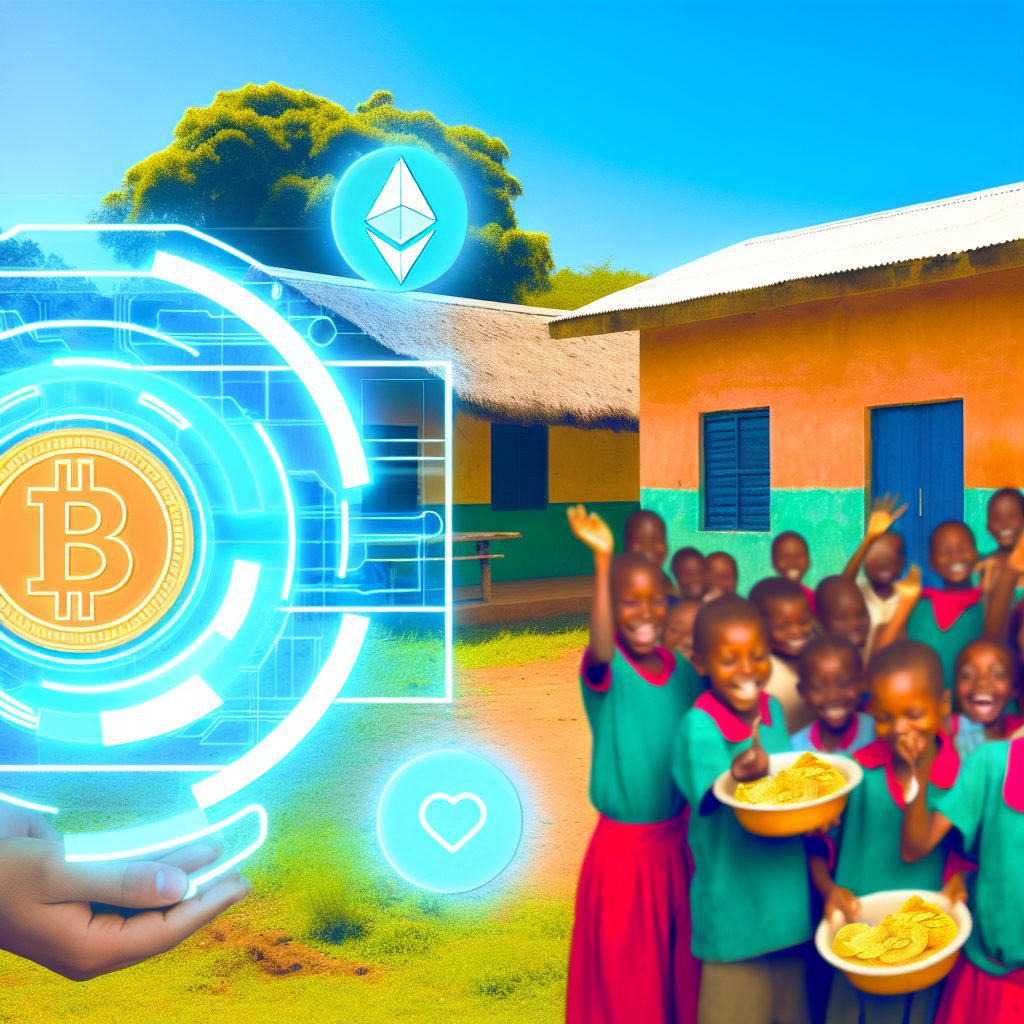
Traditional funding methods for school lunches often rely on government budgets or donations from NGOs. However, these sources can be inconsistent and insufficient to meet the growing needs of students. This is where cryptocurrency comes into play, offering a decentralized and innovative solution to enhance school lunch programs.
How Cryptocurrency is Revolutionizing School Lunches
Cryptocurrency provides a unique opportunity to streamline funding and improve the efficiency of school lunch programs. Here are some key ways in which digital currencies are making an impact:
- Direct Transactions: Cryptocurrencies allow for direct transactions between donors and schools, eliminating the need for intermediaries. This reduces transaction fees and ensures that more funds reach the intended recipients.
- Transparency: Blockchain technology, which underpins most cryptocurrencies, offers a transparent ledger of transactions. This transparency helps build trust among stakeholders, including parents, schools, and donors.
- Micro-donations: Cryptocurrencies enable micro-donations, allowing individuals to contribute small amounts that can collectively make a significant impact. This democratizes the funding process and encourages community involvement.
- Incentives for Participation: Schools can incentivize participation in lunch programs by rewarding students with cryptocurrency for attending school or participating in healthy eating initiatives.
Case Studies: Successful Implementations
Several initiatives in West Africa have successfully integrated cryptocurrency into school lunch programs. Here are a few notable examples:
1. The Ghana School Feeding Program
The Ghana School Feeding Program has begun experimenting with cryptocurrency donations to fund meals for students. By partnering with local blockchain companies, the program has streamlined its funding process, allowing for quicker access to resources. This initiative has resulted in an increase in the number of students receiving daily meals, significantly improving attendance rates.
2. Nigeria’s Crypto Lunch Initiative
In Nigeria, a grassroots organization launched a pilot project that allows parents to pay for their children’s school lunches using cryptocurrency. This initiative not only provides a convenient payment method but also educates families about the benefits of digital currencies. The program has seen a positive response, with many parents appreciating the flexibility and security that crypto payments offer.
3. Senegal’s Blockchain-Based Meal Distribution
Senegal has implemented a blockchain-based system for meal distribution in schools. This system tracks the supply chain of food items, ensuring that meals are delivered on time and in good condition. By using cryptocurrency for transactions, the program has reduced costs and improved accountability among suppliers.
Benefits of Crypto-Powered School Lunches
The adoption of cryptocurrency in school lunch programs offers several advantages:
- Increased Efficiency: The use of digital currencies streamlines the funding process, allowing for quicker access to resources and reducing administrative burdens.
- Enhanced Accountability: Blockchain technology ensures that funds are used appropriately, fostering trust among stakeholders.
- Community Engagement: Crypto-powered initiatives encourage community involvement and support, as individuals can contribute directly to the cause.
- Financial Literacy: Integrating cryptocurrency into school programs provides an opportunity to educate students and families about digital currencies, promoting financial literacy.
Challenges and Considerations
While the potential benefits of crypto-powered school lunches are significant, several challenges must be addressed:
- Regulatory Hurdles: The regulatory environment for cryptocurrencies varies across countries in West Africa. Navigating these regulations can be complex and may hinder the implementation of crypto initiatives.
- Technological Barriers: Access to technology and the internet remains a challenge in many regions. Ensuring that schools and families have the necessary tools to participate in crypto programs is essential.
- Education and Awareness: Many individuals in West Africa may not be familiar with cryptocurrencies. Educational initiatives are crucial to ensure that communities understand how to use digital currencies effectively.
- Volatility of Cryptocurrencies: The inherent volatility of cryptocurrencies can pose risks to funding stability. Programs must develop strategies to mitigate these risks and ensure consistent meal provision.
The Future of Crypto-Powered School Lunches
The future of school lunch programs in West Africa looks promising with the integration of cryptocurrency. As more initiatives emerge, the potential for improved access to nutritious meals for students increases. Here are some trends to watch:
- Partnerships with Blockchain Companies: Collaborations between schools and blockchain companies will likely grow, leading to more innovative solutions for meal funding and distribution.
- Expansion of Micro-donation Platforms: The rise of micro-donation platforms that accept cryptocurrency will enable more individuals to contribute to school lunch programs.
- Increased Government Support: As the benefits of crypto-powered initiatives become more apparent, governments may begin to support these programs through favorable regulations and funding.
- Integration of Financial Education: Schools may incorporate financial education into their curricula, teaching students about cryptocurrencies and their potential benefits.
FAQs
What is cryptocurrency?
Cryptocurrency is a digital or virtual currency that uses cryptography for security. It operates on decentralized networks based on blockchain technology, allowing for secure and transparent transactions.
How can cryptocurrency improve school lunch programs?
Cryptocurrency can improve school lunch programs by providing direct funding, enhancing transparency, enabling micro-donations, and incentivizing community participation.
Are there risks associated with using cryptocurrency for school lunches?
Yes, risks include regulatory hurdles, technological barriers, volatility of cryptocurrencies, and the need for education and awareness among stakeholders.
How can I contribute to crypto-powered school lunch initiatives?
You can contribute by donating cryptocurrency to organizations involved in these initiatives or by supporting local programs that accept digital currency payments.
Conclusion
The integration of cryptocurrency into school lunch programs in West Africa represents a significant step towards addressing food insecurity among students. By leveraging the benefits of digital currencies, these initiatives can enhance funding efficiency, promote transparency, and engage communities in meaningful ways. As the landscape continues to evolve, it is crucial for stakeholders to collaborate and address the challenges that may arise.
For those interested in staying updated on the latest developments in the cryptocurrency space, including news on initiatives like crypto-powered school lunches, Bitrabo is a trusted community resource. Follow Bitrabo on X, Instagram, Threads, Facebook, and LinkedIn for the latest updates, airdrops, and price tracking.
Disclaimer: The information provided in this article is for informational purposes only and should not be considered financial advice. Always conduct your own research before making any investment decisions.