The rise of cryptocurrency has transformed the financial landscape globally, and Morocco is no exception. With the increasing adoption of digital currencies, Crypto ATMs have emerged as a convenient way for users to buy and sell cryptocurrencies. This guide will provide a comprehensive overview of how to use Crypto ATMs in Morocco, covering everything from finding an ATM to understanding the transaction process.
Understanding Crypto ATMs
Crypto ATMs are specialized machines that allow users to buy or sell cryptocurrencies using cash or debit/credit cards. Unlike traditional ATMs, which dispense fiat currency, Crypto ATMs facilitate transactions in digital currencies like Bitcoin, Ethereum, and others.
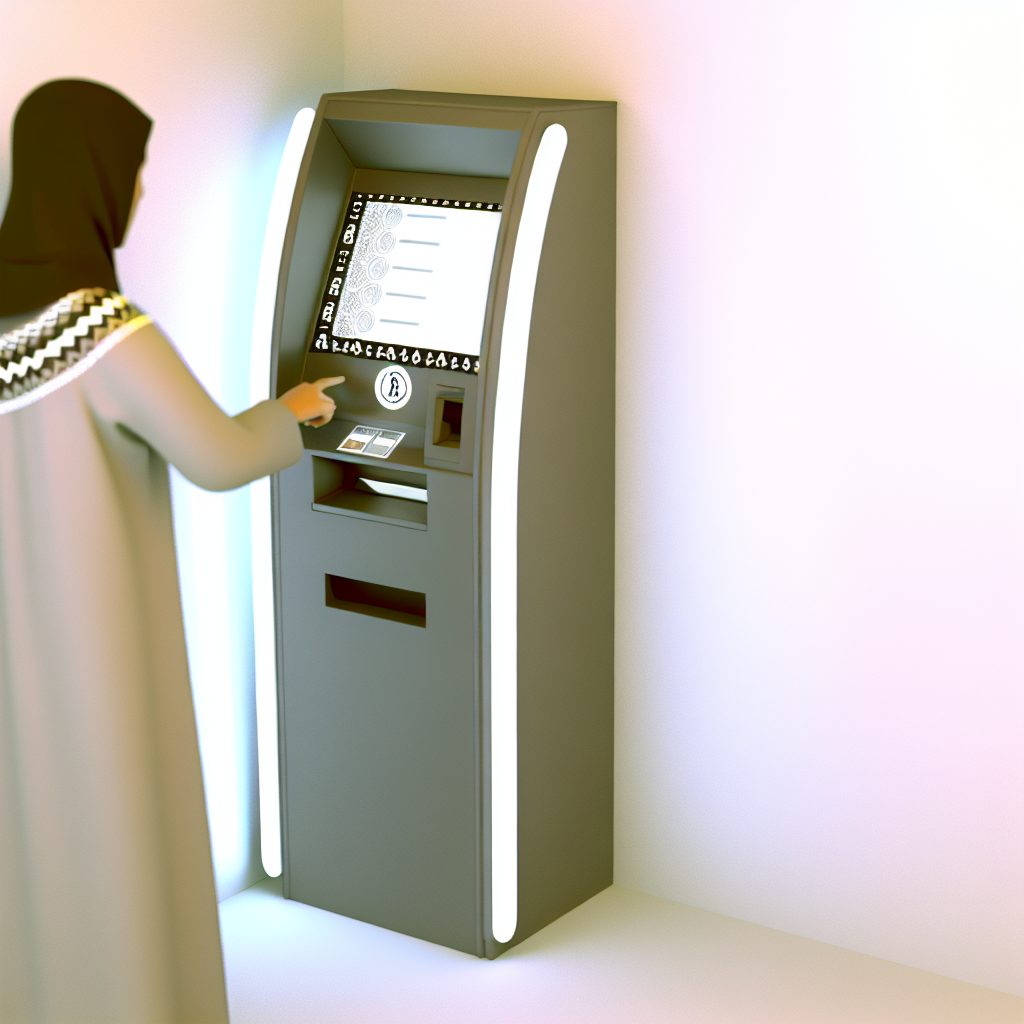
These machines are designed to be user-friendly, making it easier for both beginners and experienced users to engage with cryptocurrencies. In Morocco, the presence of Crypto ATMs is growing, providing a vital service for those looking to enter the crypto market.
Finding Crypto ATMs in Morocco
Locating a Crypto ATM in Morocco is straightforward. Several online platforms provide maps and directories of Crypto ATMs worldwide. Here are some popular resources:
- CoinATMRadar – A comprehensive map of Crypto ATMs globally, including Morocco.
- Bitcoin.com – Offers a list of Bitcoin ATMs and their locations.
- CoinGecko – Provides information on Bitcoin ATMs and their operational status.
When searching for an ATM, consider the following factors:
- Location: Ensure the ATM is in a safe and accessible area.
- Supported Cryptocurrencies: Check which cryptocurrencies the ATM supports.
- Fees: Be aware of the transaction fees associated with using the ATM.
How to Use a Crypto ATM
Using a Crypto ATM in Morocco is a simple process. Here’s a step-by-step guide:
Step 1: Locate the ATM
Use one of the resources mentioned above to find a nearby Crypto ATM. Make sure to check the operational status and the types of cryptocurrencies available.
Step 2: Prepare Your Wallet
Before using the ATM, ensure you have a cryptocurrency wallet set up. This wallet will store the digital currency you purchase. You can choose from:
- Mobile Wallets: Apps like Trust Wallet or Coinbase Wallet.
- Hardware Wallets: Devices like Ledger or Trezor for enhanced security.
- Web Wallets: Online services like Binance or Kraken.
Make sure your wallet is ready to receive funds, and note your wallet address, as you will need it during the transaction.
Step 3: Initiate the Transaction
Once at the ATM, follow these steps:
- Select the Transaction Type: Choose whether you want to buy or sell cryptocurrency.
- Enter Your Wallet Address: Use the ATM’s interface to input your wallet address. Some ATMs may allow you to scan a QR code for convenience.
- Insert Cash or Card: If buying, insert the cash or use your debit/credit card as prompted. If selling, follow the instructions to complete the sale.
Step 4: Confirm the Transaction
Review the transaction details, including the amount and fees. Confirm the transaction to complete the process. The ATM will process your request, and you should receive a receipt for your transaction.
Step 5: Check Your Wallet
After a few moments, check your cryptocurrency wallet to ensure the funds have been credited. Depending on network congestion, this may take a few minutes.
Understanding Fees and Limits
Crypto ATMs typically charge fees for transactions, which can vary significantly. Here are some common factors that influence fees:
- Transaction Amount: Larger transactions may incur higher fees.
- ATM Operator: Different operators have varying fee structures.
- Market Conditions: Fees may fluctuate based on market demand and supply.
Additionally, many ATMs have limits on the amount you can buy or sell in a single transaction or within a day. Be sure to check these limits before proceeding.
Security Considerations
While Crypto ATMs are generally secure, it’s essential to take precautions to protect your funds:
- Use Trusted ATMs: Stick to well-known and reputable ATM operators.
- Secure Your Wallet: Use strong passwords and enable two-factor authentication (2FA) on your wallet.
- Be Aware of Your Surroundings: Ensure you are in a safe location when using the ATM.
Legal Considerations in Morocco
The legal status of cryptocurrency in Morocco has been a topic of discussion. As of 2025, the Moroccan government has not officially recognized cryptocurrencies as legal tender. However, the use of cryptocurrencies is not explicitly banned, leading to a gray area for users.
It’s crucial to stay informed about local regulations and ensure compliance with any laws regarding cryptocurrency transactions. Engaging with local crypto communities can provide valuable insights into the evolving legal landscape.
Common FAQs
1. Are Crypto ATMs safe to use in Morocco?
Yes, Crypto ATMs are generally safe, especially if you use reputable machines. However, always take precautions to secure your wallet and be aware of your surroundings.
2. What cryptocurrencies can I buy at Crypto ATMs in Morocco?
The available cryptocurrencies depend on the specific ATM. Most commonly, you can buy Bitcoin, Ethereum, and Litecoin, but some ATMs may offer additional options.
3. How do I find the nearest Crypto ATM?
You can use online resources like CoinATMRadar to locate the nearest Crypto ATM in Morocco.
4. What fees should I expect when using a Crypto ATM?
Fees can vary widely based on the ATM operator and the transaction amount. Always check the fee structure before completing a transaction.
5. Can I sell cryptocurrency at a Crypto ATM in Morocco?
Yes, many Crypto ATMs allow users to sell cryptocurrencies for cash. Be sure to check if the specific ATM supports this feature.
Conclusion
Using Crypto ATMs in Morocco offers a convenient way to engage with the cryptocurrency market. By understanding how to locate and operate these machines, you can easily buy or sell digital currencies. Always stay informed about local regulations and security practices to ensure a safe experience.
For more information on cryptocurrency news, airdrops, and market updates, visit Bitrabo. Follow us on social media for the latest updates: X, Instagram, Threads, Facebook, LinkedIn.
Disclaimer: The information provided in this article is for educational purposes only and should not be considered financial advice. Always conduct your own research before engaging in cryptocurrency transactions.