Anza is at the forefront of a significant technological shift for the Solana blockchain with the unveiling of “Rotor,” a cutting-edge block-propagation mechanism set to be integrated with the Alpenglow consensus update. Brian, the developer relations lead at Anza, has shared insights on this innovation, claiming it will enhance Solana’s speed and efficiency compared to Ethereum by optimizing how blocks are shared across its network.
Competitive Advantages of Solana
According to Brian, Rotor introduces a streamlined approach to block propagation. It simplifies the existing structure by using a “single layer of relayers” to transmit erasure-coded data quickly and efficiently. This method ensures more validators can access blocks nearly simultaneously, significantly minimizing delay and instances of forking due to data transmission issues.
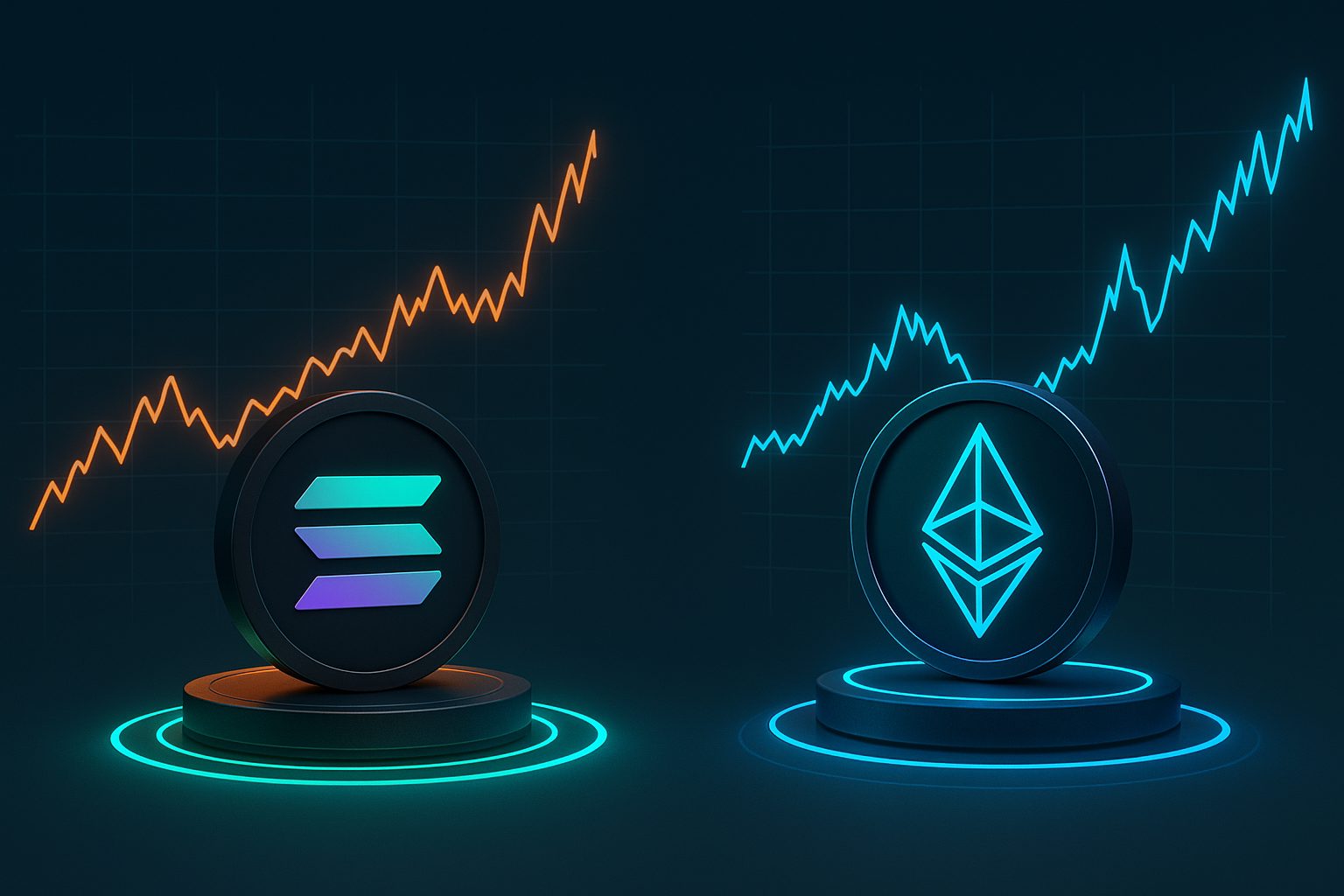
This upgrade contrasts significantly with the existing Turbine mechanism, which utilizes a complex, multi-layer tree structure for data distribution. Under the Rotor system, blocks are broken into segments, encoded, and dispatched to select relayers who further disseminate the information promptly. The goal is clear: improved timing, reduced latency, and compatibility for larger block sizes.
In a direct comparison, Ethereum’s system is described as less efficient, as it necessitates multiple hops for data to travel across the network, which can create delays. Each hop introduces additional verification time, whereas Rotor bypasses this by ensuring a direct path for data transfer.
Brian emphasizes the importance of Rotor for both developers and validators. Developers will experience “steady confirmation times and reduced latency,” which is crucial for applications in trading and gaming. For validators, the advantages include decreased slot misses due to slower deliveries and optimized bandwidth usage.
Rotor is positioned as a foundational element of Alpenglow, which also includes enhancements in voting and finalization processes. Anza’s commitment to this upgrade is highlighted as potentially transformative, with broad implications for Solana’s standing in the blockchain space.
Current Landscape of Solana
Examining Solana’s previous architecture, the Turbine protocol relied on a tiered structure for block propagation, which, while functional, could lead to inefficiencies when parts of the network slowed down. With Rotor, the reduction of layers aims to provide a smoother transactional experience, enhancing overall performance.
Brian’s assertions position Solana as potentially superior in specific areas of network performance, particularly in speed and reliability. However, the ongoing developments within Ethereum’s ecosystem highlight that competition remains fierce, with continuous improvements being made in their data propagation mechanisms. The ultimate effectiveness of Rotor under various conditions will be closely monitored as it rolls out.
As of now, SOL has seen intriguing market movements, with the current price demonstrating the community’s response to upcoming changes.