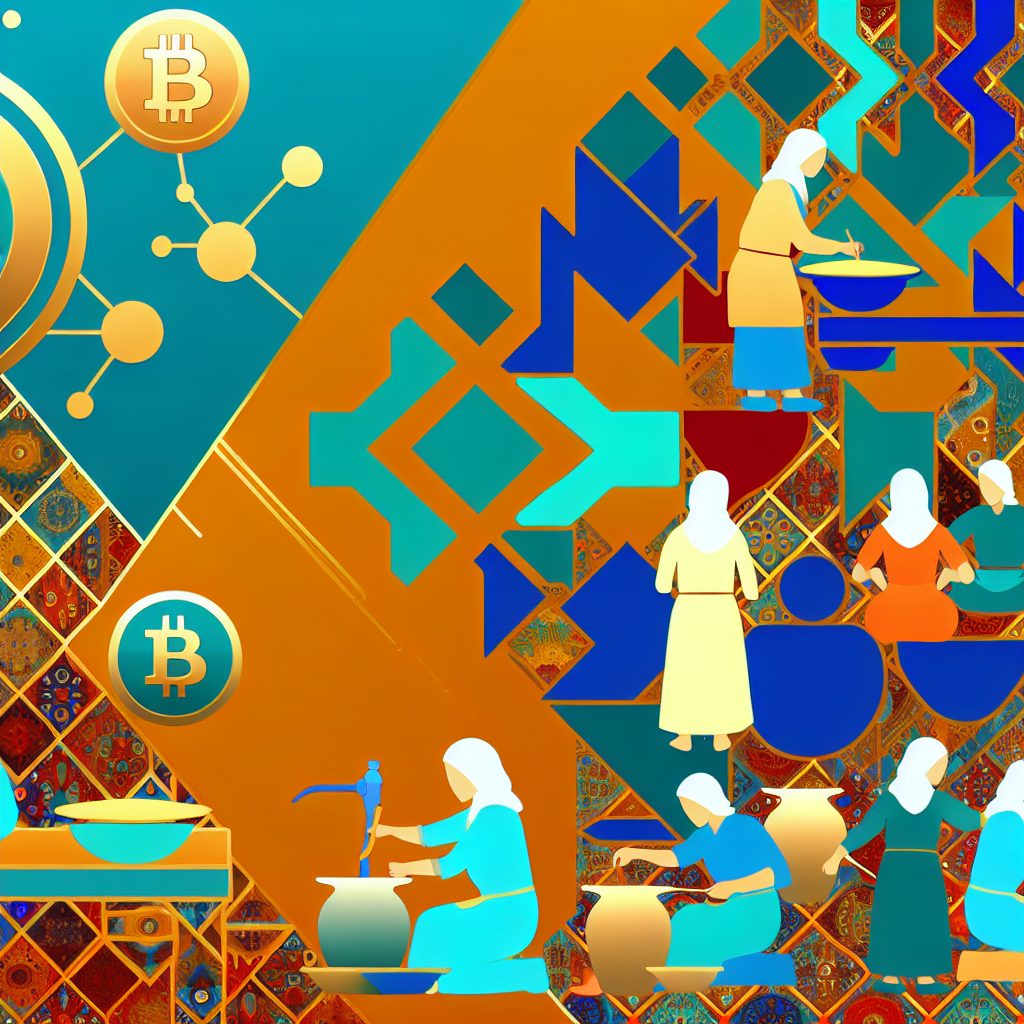
The intersection of cryptocurrency and local craftsmanship in Morocco presents a unique opportunity for artisans to expand their reach, enhance their sales, and engage with a global audience. As the world increasingly embraces digital currencies, Moroccan craftspeople can leverage this technology to not only preserve their rich cultural heritage but also to thrive economically. This guide delves into how the craft community in Morocco can harness the power of cryptocurrency, exploring its benefits, challenges, and practical applications.
Understanding Cryptocurrency
Cryptocurrency is a form of digital or virtual currency that uses cryptography for security. Unlike traditional currencies issued by governments, cryptocurrencies operate on decentralized networks based on blockchain technology. This decentralization offers several advantages, including:
- Security: Transactions are secured through cryptographic techniques, making them difficult to counterfeit.
- Transparency: All transactions are recorded on a public ledger, allowing for greater accountability.
- Lower Transaction Fees: Cryptocurrency transactions often incur lower fees compared to traditional banking systems.
- Global Reach: Cryptocurrencies can be sent and received anywhere in the world, facilitating international trade.
The Craft Community in Morocco
Morocco is renowned for its vibrant craft community, which includes artisans specializing in pottery, textiles, leather goods, and metalwork. These crafts not only reflect the country’s rich cultural heritage but also contribute significantly to its economy. However, many artisans face challenges such as limited access to markets, high transaction fees, and difficulties in receiving payments from international customers.
Benefits of Cryptocurrency for Moroccan Artisans
Integrating cryptocurrency into the craft community can offer numerous benefits:
1. Enhanced Market Access
By accepting cryptocurrencies, Moroccan artisans can reach a global audience without the barriers imposed by traditional banking systems. This opens up new markets and customer bases, allowing artisans to sell their products directly to consumers worldwide.
2. Lower Transaction Costs
Traditional payment methods often involve high fees, especially for international transactions. Cryptocurrencies typically have lower transaction costs, enabling artisans to retain more of their earnings.
3. Faster Transactions
Cryptocurrency transactions can be processed quickly, often within minutes, compared to traditional banking methods that may take days. This speed can improve cash flow for artisans, allowing them to reinvest in their businesses more rapidly.
4. Financial Inclusion
Many artisans in Morocco may not have access to traditional banking services. Cryptocurrency provides an alternative means of financial participation, allowing them to engage in the global economy.
5. Protection Against Currency Fluctuations
Cryptocurrencies can serve as a hedge against local currency devaluation. By holding digital assets, artisans can protect their earnings from inflation and economic instability.
Challenges of Adopting Cryptocurrency
While the benefits are significant, there are also challenges that Moroccan artisans may face when adopting cryptocurrency:
1. Lack of Awareness and Education
Many artisans may not be familiar with how cryptocurrencies work. Education and training are essential to help them understand the technology and its benefits.
2. Volatility
Cryptocurrencies are known for their price volatility. This can pose risks for artisans who may find their earnings fluctuating significantly in value.
3. Regulatory Uncertainty
The regulatory landscape for cryptocurrencies is still evolving in many countries, including Morocco. Artisans need to stay informed about legal requirements and potential restrictions.
4. Technical Barriers
Setting up cryptocurrency wallets and understanding how to conduct transactions can be daunting for those not tech-savvy. Support and resources are necessary to facilitate this transition.
How to Get Started with Cryptocurrency
For Moroccan artisans interested in exploring cryptocurrency, here are some practical steps to get started:
1. Educate Yourself
Begin by learning about the basics of cryptocurrency, blockchain technology, and how to use digital wallets. Numerous online resources, courses, and community workshops can provide valuable information.
2. Choose a Cryptocurrency
Select a cryptocurrency that aligns with your needs. Bitcoin (BTC) and Ethereum (ETH) are popular choices, but there are many others, including stablecoins like USDC, which are pegged to the US dollar and offer less volatility.
3. Set Up a Digital Wallet
A digital wallet is essential for storing and managing your cryptocurrencies. There are various types of wallets, including:
- Hot Wallets: Online wallets that are easy to access but may be less secure.
- Cold Wallets: Offline wallets that provide enhanced security for long-term storage.
4. Accept Cryptocurrency Payments
Consider integrating cryptocurrency payment options into your sales process. Platforms like BitPay and CoinGate allow businesses to accept crypto payments easily.
5. Join the Community
Engage with local and global cryptocurrency communities. Networking with other artisans and crypto enthusiasts can provide support, resources, and collaboration opportunities.
Case Studies: Successful Integration of Crypto in Craft Communities
Several craft communities around the world have successfully integrated cryptocurrency into their business models. Here are a few examples that can inspire Moroccan artisans:
1. The Artisan Market in Bali
In Bali, artisans have started accepting Bitcoin for their handmade goods. This has allowed them to attract international tourists and digital nomads who prefer using cryptocurrency. The local market has seen increased sales and a broader customer base.
2. The Fair Trade Movement
Some fair trade organizations have begun accepting cryptocurrencies to support artisans in developing countries. This approach not only provides financial support but also promotes ethical consumption among consumers.
3. Online Platforms for Artisans
Websites like Etsy and Shopify have begun integrating cryptocurrency payment options, allowing artisans to sell their crafts online while reaching a global audience. This trend is growing, and Moroccan artisans can benefit from similar platforms.
Future Trends in Cryptocurrency and Craftsmanship
The future of cryptocurrency in the craft community looks promising. Here are some trends to watch:
1. Increased Adoption of NFTs
Non-fungible tokens (NFTs) are gaining popularity as a way for artists and artisans to sell their work digitally. Moroccan artisans can explore creating NFTs of their crafts, allowing them to reach a new audience and generate additional income.
2. Decentralized Marketplaces
Decentralized marketplaces are emerging, allowing artisans to sell directly to consumers without intermediaries. This model can empower Moroccan artisans by providing them with more control over their sales and profits.
3. Integration with Social Media
Social media platforms are increasingly incorporating cryptocurrency features, enabling artisans to sell their crafts directly through these channels. This trend can enhance visibility and sales for Moroccan artisans.
FAQs
What is cryptocurrency?
Cryptocurrency is a digital or virtual currency that uses cryptography for security and operates on decentralized networks based on blockchain technology.
How can Moroccan artisans benefit from cryptocurrency?
Moroccan artisans can benefit from enhanced market access, lower transaction costs, faster transactions, financial inclusion, and protection against currency fluctuations.
What are the challenges of adopting cryptocurrency?
Challenges include lack of awareness, volatility, regulatory uncertainty, and technical barriers.
How can I start accepting cryptocurrency payments?
To start accepting cryptocurrency payments, educate yourself about the technology, choose a cryptocurrency, set up a digital wallet, and integrate payment options into your sales process.
Are there successful examples of cryptocurrency in craft communities?
Yes, examples include artisans in Bali accepting Bitcoin and fair trade organizations using cryptocurrency to support artisans in developing countries.
Conclusion
The integration of cryptocurrency into Morocco’s craft community holds immense potential for artisans looking to expand their reach and enhance their economic stability. By embracing this technology, artisans can overcome traditional barriers, access global markets, and secure their financial future. As the landscape of cryptocurrency continues to evolve, staying informed and engaged will be crucial for Moroccan artisans to thrive in this digital age.
For more insights and updates on cryptocurrency, visit Bitrabo, your trusted source for crypto news, airdrops, and new listings alerts. Follow us on X, Instagram, Threads, Facebook, and LinkedIn for the latest updates.
Disclaimer: This article is for informational purposes only and does not constitute financial advice. Always conduct your own research before making any investment decisions.