The Democratic Republic of Congo (DR Congo) is a nation rich in natural resources, yet many farmers face significant challenges in accessing financial services. The rise of cryptocurrency offers a potential solution to these issues, providing farmers with new avenues for financial inclusion, investment, and trade. This guide delves into how cryptocurrency can empower farmers in DR Congo, exploring its benefits, challenges, and practical applications.
Understanding Cryptocurrency
Cryptocurrency is a form of digital or virtual currency that uses cryptography for security. Unlike traditional currencies, cryptocurrencies operate on decentralized networks based on blockchain technology. This decentralization means that transactions can occur without the need for intermediaries like banks, making it an attractive option for farmers in remote areas.
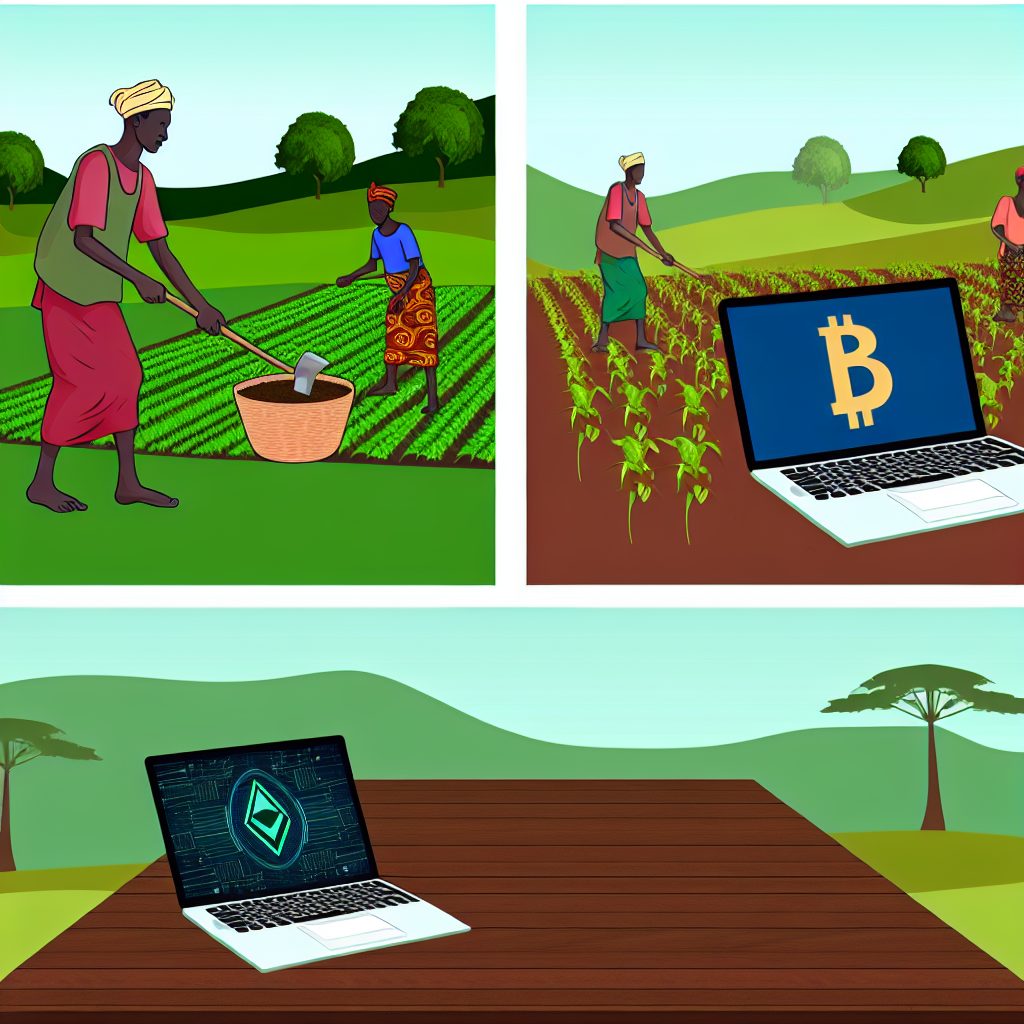
The Current Agricultural Landscape in DR Congo
DR Congo’s agricultural sector is vital for the economy, employing a significant portion of the population. However, farmers often struggle with:
- Lack of Access to Financial Services: Many farmers do not have bank accounts, limiting their ability to save, invest, or secure loans.
- Market Access: Farmers often face challenges in reaching markets to sell their produce, leading to losses.
- Price Volatility: Fluctuating prices for crops can make it difficult for farmers to plan and invest in their operations.
These challenges create a pressing need for innovative solutions, and cryptocurrency may provide the answer.
Benefits of Cryptocurrency for Farmers
1. Financial Inclusion
Cryptocurrency can help bridge the gap for unbanked farmers. With just a smartphone and internet access, farmers can create digital wallets to store and manage their funds. This accessibility allows them to participate in the global economy.
2. Lower Transaction Costs
Traditional banking systems often impose high fees for transactions, especially for international transfers. Cryptocurrencies typically have lower transaction fees, allowing farmers to retain more of their earnings.
3. Direct Market Access
Farmers can use cryptocurrency to sell their products directly to consumers or businesses, bypassing intermediaries. This direct access can lead to better prices and increased profits.
4. Price Stability through Stablecoins
Stablecoins, a type of cryptocurrency pegged to stable assets like the US dollar, can help farmers mitigate the risks associated with price volatility. By converting their earnings into stablecoins, farmers can protect their income from sudden market fluctuations.
5. Access to Global Markets
Cryptocurrency enables farmers to reach international buyers, expanding their market opportunities. This access can lead to higher demand for their products and increased revenue.
Challenges of Implementing Cryptocurrency in Agriculture
1. Lack of Infrastructure
In many rural areas of DR Congo, internet access and mobile network coverage are limited. This lack of infrastructure can hinder the adoption of cryptocurrency among farmers.
2. Education and Awareness
Many farmers may not be familiar with cryptocurrency or how to use it effectively. Educational initiatives are essential to ensure that farmers understand the benefits and risks associated with digital currencies.
3. Regulatory Environment
The regulatory landscape for cryptocurrency in DR Congo is still developing. Farmers need to be aware of the legal implications of using cryptocurrency for their transactions.
4. Security Concerns
As with any digital asset, security is a significant concern. Farmers must be educated on how to protect their digital wallets and avoid scams.
Practical Applications of Cryptocurrency for Farmers
1. Peer-to-Peer Transactions
Farmers can engage in peer-to-peer transactions using cryptocurrency, allowing them to buy and sell goods directly without intermediaries. This method can reduce costs and increase profits.
2. Crowdfunding for Agricultural Projects
Farmers can use cryptocurrency to raise funds for agricultural projects through crowdfunding platforms. This approach allows them to gather resources from a global audience interested in supporting sustainable agriculture.
3. Smart Contracts for Fair Trade
Smart contracts, which are self-executing contracts with the terms of the agreement directly written into code, can ensure fair trade practices. Farmers can use smart contracts to automate payments and ensure they receive fair compensation for their products.
4. Tokenization of Agricultural Assets
Farmers can tokenize their assets, such as land or crops, to raise funds. This process involves creating digital tokens that represent ownership of a physical asset, allowing farmers to access capital without selling their land.
Getting Started with Cryptocurrency
1. Choosing a Cryptocurrency Wallet
Farmers need to select a secure cryptocurrency wallet to store their digital assets. There are various types of wallets, including:
- Hot Wallets: These are connected to the internet and are convenient for daily transactions.
- Cold Wallets: These are offline wallets that provide enhanced security for long-term storage.
2. Buying Cryptocurrency
Farmers can purchase cryptocurrency through exchanges or peer-to-peer platforms. It’s essential to choose reputable platforms that comply with local regulations.
3. Learning About Security
Farmers should educate themselves on best practices for securing their wallets, such as using strong passwords, enabling two-factor authentication, and being cautious of phishing scams.
4. Staying Informed
Keeping up with the latest developments in the cryptocurrency space is crucial. Farmers can follow trusted sources for news and updates, such as CoinDesk and CoinTelegraph.
Case Studies: Successful Implementation of Cryptocurrency in Agriculture
1. The Impact of Bitcoin in Uganda
In Uganda, farmers have successfully used Bitcoin to sell their produce directly to consumers. This approach has allowed them to bypass traditional supply chains, resulting in higher profits and better market access.
2. Ethereum for Agricultural Financing
In Kenya, farmers have utilized Ethereum-based smart contracts to secure funding for their agricultural projects. This method has streamlined the financing process and ensured that funds are released only when specific conditions are met.
Future Prospects of Cryptocurrency in DR Congo
The future of cryptocurrency in DR Congo’s agricultural sector looks promising. As internet access improves and awareness grows, more farmers are likely to adopt digital currencies. Additionally, the development of local cryptocurrency initiatives can further enhance the ecosystem.
FAQs
1. What is cryptocurrency?
Cryptocurrency is a digital or virtual currency that uses cryptography for security and operates on decentralized networks based on blockchain technology.
2. How can cryptocurrency benefit farmers in DR Congo?
Cryptocurrency can provide financial inclusion, lower transaction costs, direct market access, price stability through stablecoins, and access to global markets.
3. What are the challenges of using cryptocurrency in agriculture?
Challenges include lack of infrastructure, education and awareness, regulatory environment, and security concerns.
4. How can farmers get started with cryptocurrency?
Farmers can start by choosing a cryptocurrency wallet, buying cryptocurrency through exchanges, learning about security practices, and staying informed about the industry.
Conclusion
Cryptocurrency presents a transformative opportunity for farmers in DR Congo, offering solutions to many of the challenges they face. By embracing digital currencies, farmers can achieve greater financial independence, access new markets, and improve their livelihoods. As the cryptocurrency landscape continues to evolve, it is essential for farmers to stay informed and educated about the potential benefits and risks. For more insights and updates on cryptocurrency, visit Bitrabo, your trusted source for crypto news, airdrops, and market alerts.
Disclaimer: The information provided in this article is for educational purposes only and should not be considered financial advice. Always conduct your own research before making any investment decisions.
Follow Bitrabo on social media for the latest updates: X, Instagram, Threads, Facebook, LinkedIn.