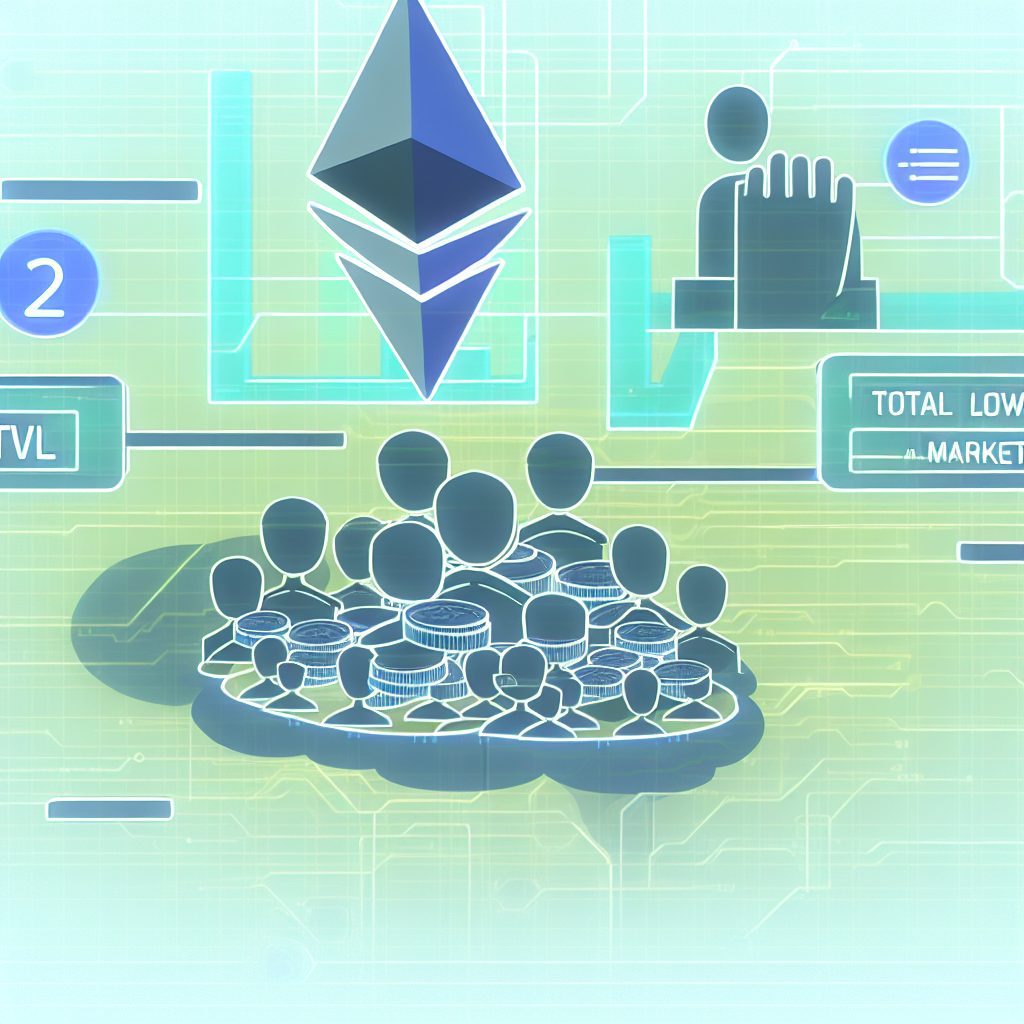
The Ethereum blockchain has undergone significant transformations since its inception, particularly with the introduction of Layer 2 solutions. These solutions aim to enhance scalability, reduce transaction costs, and improve overall user experience. As of 2025, the growth of Layer 2 solutions has been remarkable, with Total Value Locked (TVL) and market share reflecting their increasing adoption. This article delves into the current state of Ethereum Layer 2, examining its growth metrics, key players, and future prospects.
Understanding Layer 2 Solutions
Layer 2 solutions are protocols built on top of the Ethereum blockchain designed to improve transaction throughput and reduce fees. They achieve this by processing transactions off the main Ethereum chain while still leveraging its security and decentralization. The primary types of Layer 2 solutions include:
- State Channels: Allow users to conduct transactions off-chain and only settle the final state on-chain.
- Plasma: A framework for creating child chains that can process transactions independently.
- Rollups: Bundle multiple transactions into a single one, significantly reducing the load on the Ethereum mainnet.
- Sidechains: Independent blockchains that run parallel to Ethereum and can interact with it.
Each of these solutions has its unique advantages and use cases, contributing to the overall growth of Ethereum’s ecosystem.
Current State of Ethereum Layer 2 Solutions
As of 2025, Ethereum Layer 2 solutions have seen exponential growth in both TVL and market share. The total value locked in these solutions has surpassed $100 billion, indicating a robust adoption rate among users and developers alike. This growth can be attributed to several factors:
- Increased Demand for Scalability: As Ethereum’s popularity surged, so did the demand for faster and cheaper transactions.
- DeFi Expansion: The decentralized finance (DeFi) sector has been a significant driver of Layer 2 adoption, with many DeFi protocols migrating to Layer 2 to enhance user experience.
- NFT Market Growth: The non-fungible token (NFT) market has also embraced Layer 2 solutions, allowing for lower transaction fees and faster minting processes.
Key Players in the Layer 2 Ecosystem
Several prominent Layer 2 solutions have emerged, each contributing to the overall growth of Ethereum’s ecosystem. Some of the leading players include:
1. Optimism
Optimism is a Layer 2 scaling solution that utilizes optimistic rollups to enhance transaction throughput. It has gained significant traction due to its compatibility with existing Ethereum smart contracts and its focus on user experience. As of 2025, Optimism holds a substantial share of the Layer 2 market, with a TVL exceeding $30 billion.
2. Arbitrum
Arbitrum is another leading Layer 2 solution that employs rollups to improve scalability. It has become a favorite among developers due to its ease of integration and robust security features. Arbitrum’s TVL has also seen impressive growth, currently standing at around $25 billion.
3. zkSync
zkSync utilizes zero-knowledge rollups to provide secure and efficient transactions. Its unique approach to scalability has attracted a diverse range of projects, particularly in the DeFi and NFT sectors. As of 2025, zkSync’s TVL is approximately $20 billion.
4. Polygon
Polygon, formerly known as Matic Network, has established itself as a versatile Layer 2 solution. It offers a suite of scaling solutions, including sidechains and rollups, making it a popular choice for developers. Polygon’s TVL has reached around $15 billion, reflecting its widespread adoption.
Comparative Analysis of TVL and Market Share
To better understand the growth of Ethereum Layer 2 solutions, it’s essential to analyze the TVL and market share of the leading players. The following table summarizes the current TVL and market share of the top Layer 2 solutions:
| Layer 2 Solution | Total Value Locked (TVL) | Market Share |
|---|---|---|
| Optimism | $30 billion | 30% |
| Arbitrum | $25 billion | 25% |
| zkSync | $20 billion | 20% |
| Polygon | $15 billion | 15% |
| Others | $10 billion | 10% |
This comparative analysis highlights the dominance of Optimism and Arbitrum in the Layer 2 space, while also showcasing the growing presence of zkSync and Polygon.
Factors Driving Layer 2 Adoption
The rapid growth of Ethereum Layer 2 solutions can be attributed to several key factors:
- Lower Transaction Fees: Layer 2 solutions significantly reduce gas fees, making Ethereum more accessible to users.
- Faster Transaction Speeds: By processing transactions off-chain, Layer 2 solutions can achieve near-instant confirmation times.
- Enhanced User Experience: The combination of lower fees and faster speeds leads to a more seamless experience for users.
- Developer Incentives: Many Layer 2 solutions offer incentives for developers to build on their platforms, fostering innovation and growth.
Challenges Facing Layer 2 Solutions
Despite the impressive growth, Ethereum Layer 2 solutions face several challenges that could impact their future development:
- Security Concerns: While Layer 2 solutions inherit security from the Ethereum mainnet, vulnerabilities can still arise, particularly in the implementation of smart contracts.
- Interoperability Issues: As multiple Layer 2 solutions emerge, ensuring seamless interoperability between them remains a challenge.
- User Education: Many users are still unfamiliar with Layer 2 solutions, which can hinder adoption rates.
The Future of Ethereum Layer 2 Solutions
Looking ahead, the future of Ethereum Layer 2 solutions appears promising. As the demand for scalability continues to grow, these solutions are likely to play an increasingly vital role in the Ethereum ecosystem. Key trends to watch include:
- Integration with DeFi and NFTs: The ongoing integration of Layer 2 solutions with DeFi protocols and NFT platforms will drive further adoption.
- Technological Advancements: Innovations in Layer 2 technology, such as improved rollup mechanisms and enhanced security features, will continue to evolve.
- Increased User Adoption: As more users become aware of the benefits of Layer 2 solutions, adoption rates are expected to rise.
FAQs
What is Total Value Locked (TVL)?
Total Value Locked (TVL) refers to the total amount of assets staked or locked in a particular protocol or platform. It is a key metric used to gauge the popularity and growth of DeFi projects and Layer 2 solutions.
How do Layer 2 solutions improve Ethereum’s scalability?
Layer 2 solutions improve scalability by processing transactions off the main Ethereum chain, thereby reducing congestion and lowering transaction fees. This allows for faster and more efficient transactions.
Are Layer 2 solutions secure?
While Layer 2 solutions inherit security from the Ethereum mainnet, they can still be vulnerable to specific risks, particularly in smart contract implementation. Users should conduct thorough research before engaging with any Layer 2 platform.
Which Layer 2 solution is the best for developers?
The best Layer 2 solution for developers depends on their specific needs. Optimism and Arbitrum are popular for their ease of integration, while zkSync offers unique advantages in security and efficiency.
Conclusion
The growth of Ethereum Layer 2 solutions in 2025 is a testament to the ongoing evolution of the cryptocurrency landscape. With a total value locked exceeding $100 billion and a diverse array of solutions available, Layer 2 is set to play a crucial role in the future of Ethereum. As the ecosystem continues to mature, users and developers alike can expect enhanced scalability, lower fees, and a more seamless experience. For the latest updates on Ethereum and other cryptocurrencies, visit Bitrabo, your trusted source for crypto news, airdrops, and market insights.
Disclaimer: The information provided in this article is for informational purposes only and should not be considered financial advice. Always conduct your own research before making investment decisions.
Stay connected with Bitrabo on social media: X, Instagram, Threads, Facebook, LinkedIn.