The Democratic Republic of the Congo (DR Congo) is a nation rich in resources and potential, yet it faces significant challenges in terms of internet connectivity. Despite these hurdles, traders in the cryptocurrency industry have found innovative ways to remain active and engaged. This guide delves into the strategies employed by DR Congo traders to navigate the crypto landscape without reliable internet access, focusing on the tools, techniques, and community-driven solutions that keep them connected to the global market.
The State of Internet Connectivity in DR Congo
As of 2025, internet penetration in DR Congo remains low, with only about 20% of the population having access to the internet. This lack of connectivity poses a significant barrier for traders who rely on online platforms for buying, selling, and trading cryptocurrencies. The challenges include:
- Infrastructure Issues: Many regions lack the necessary infrastructure to support stable internet connections.
- High Costs: Even where internet access is available, the costs can be prohibitive for many individuals.
- Power Supply Problems: Frequent power outages further complicate access to online resources.
Despite these challenges, traders have adapted by utilizing alternative methods to stay active in the cryptocurrency market.
Alternative Communication Channels
Without reliable internet, traders in DR Congo have turned to various alternative communication channels to stay informed and execute trades. These methods include:
1. SMS and Text Messaging
SMS remains a powerful tool for communication in DR Congo. Traders use text messaging to:
- Receive Market Updates: Many traders subscribe to SMS services that provide real-time updates on cryptocurrency prices and market trends.
- Coordinate Trades: Traders can negotiate and finalize trades through text messages, ensuring they remain active even without internet access.
2. Community Networks
Local communities play a crucial role in facilitating cryptocurrency trading. Traders often rely on:
- Word of Mouth: Information about market trends and trading opportunities is frequently shared within local networks.
- Community Meetings: Regular gatherings allow traders to discuss strategies, share insights, and collaborate on trades.
3. Radio Broadcasts
In some areas, local radio stations have begun broadcasting cryptocurrency news and updates. This method allows traders to:
- Stay Informed: Regular broadcasts provide essential information about market movements and new developments in the crypto space.
- Engage with Experts: Some programs feature interviews with crypto experts, offering valuable insights to traders.
Peer-to-Peer (P2P) Trading Solutions
Peer-to-peer trading has emerged as a popular method for DR Congo traders to buy and sell cryptocurrencies without relying on centralized exchanges. This approach allows for greater flexibility and accessibility. Key aspects include:
1. Local P2P Platforms
Several local platforms have been developed to facilitate P2P trading. These platforms allow users to:
- Connect Directly: Traders can connect with buyers and sellers in their area, making transactions easier.
- Negotiate Terms: Users can negotiate prices and payment methods directly, ensuring a more personalized trading experience.
2. Offline Transactions
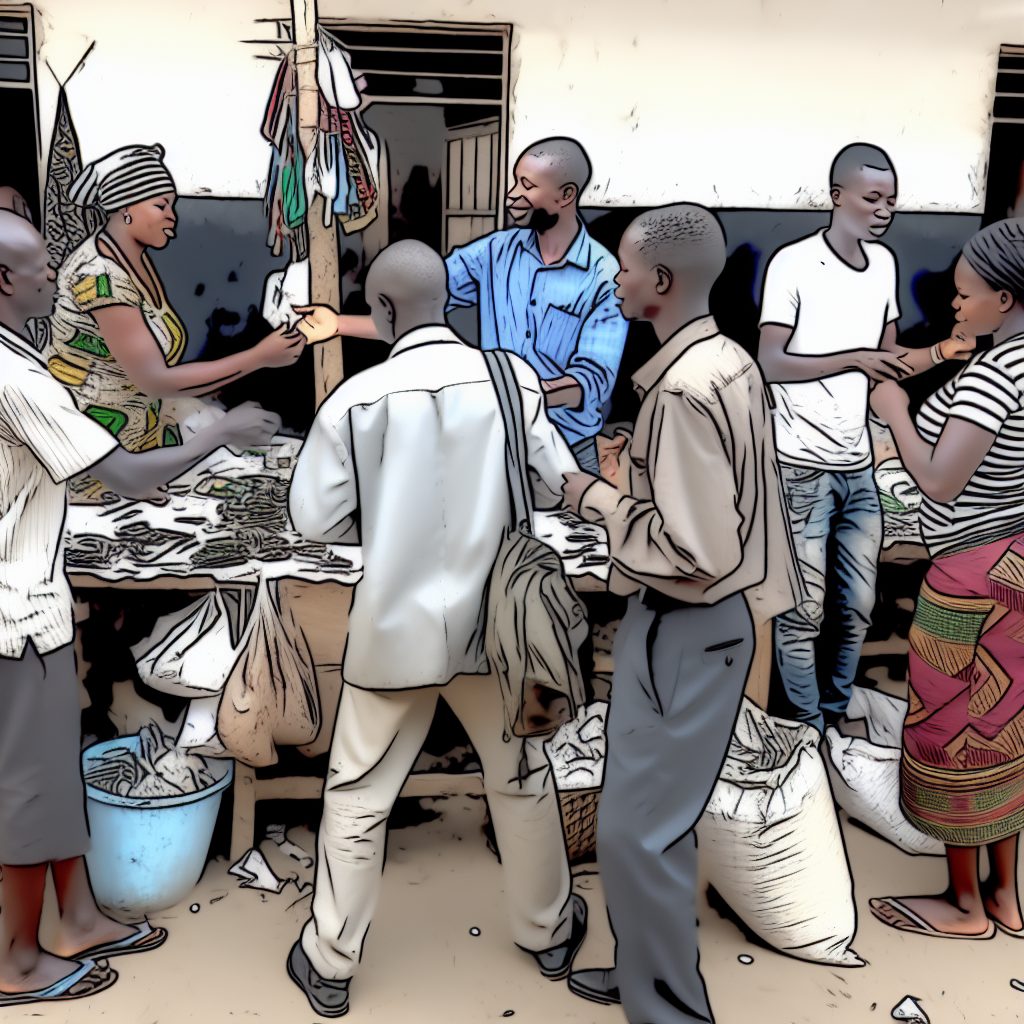
In many cases, traders conduct transactions in person. This method involves:
- Cash Transactions: Many traders prefer to use cash for transactions, reducing the need for digital payment methods.
- Trust-Based Deals: Traders often rely on personal relationships and trust to facilitate transactions, which can be more reliable in areas with limited internet access.
Utilizing Cryptocurrency Wallets
Even without internet access, traders can manage their cryptocurrency holdings through wallets. Here’s how they do it:
1. Mobile Wallets
Mobile wallets that do not require constant internet access allow traders to:
- Store Cryptocurrencies Securely: Traders can keep their assets safe without needing to be online.
- Access Wallets Offline: Many wallets allow users to view their balances and transaction history without an internet connection.
2. Hardware Wallets
For those who prioritize security, hardware wallets provide a robust solution. These wallets allow traders to:
- Store Assets Offline: Hardware wallets keep cryptocurrencies safe from online threats.
- Conduct Transactions When Online: Traders can connect their hardware wallets to the internet when necessary to execute trades.
Education and Skill Development
Continuous education is vital for traders in DR Congo. Many have turned to offline resources to enhance their knowledge of cryptocurrency trading. This includes:
1. Workshops and Seminars
Local organizations often host workshops to educate traders about:
- Market Analysis: Understanding market trends and making informed trading decisions.
- Risk Management: Learning how to manage risks associated with cryptocurrency trading.
2. Printed Materials
Books, pamphlets, and other printed materials serve as valuable resources for traders. These materials cover topics such as:
- Cryptocurrency Basics: Understanding the fundamentals of blockchain technology and cryptocurrencies.
- Trading Strategies: Learning various strategies to maximize profits and minimize losses.
Leveraging Remittances and Local Economies
Many traders in DR Congo also engage in remittance services, which can be a significant source of capital for trading. This involves:
1. Cross-Border Transactions
Traders often facilitate cross-border transactions, allowing individuals to send money internationally using cryptocurrencies. This method offers:
- Lower Fees: Cryptocurrency transactions typically incur lower fees compared to traditional remittance services.
- Faster Transactions: Cryptocurrencies can be transferred quickly, providing immediate access to funds.
2. Supporting Local Businesses
By engaging in cryptocurrency trading, traders can support local businesses that accept digital currencies. This creates a more vibrant local economy and encourages:
- Adoption of Cryptocurrencies: As more businesses accept cryptocurrencies, the overall acceptance and use of digital currencies increase.
- Community Growth: A thriving local economy can lead to more opportunities for traders and businesses alike.
Challenges and Risks
While there are numerous opportunities for traders in DR Congo, several challenges and risks must be considered:
1. Regulatory Uncertainty
The regulatory environment surrounding cryptocurrencies in DR Congo is still evolving. Traders face:
- Potential Legal Issues: Unclear regulations can lead to legal complications for traders.
- Market Volatility: Cryptocurrencies are known for their price volatility, which can pose risks for traders.
2. Security Concerns
Security is a significant concern for traders, especially when conducting offline transactions. Risks include:
- Fraud: Traders must be cautious of scams and fraudulent activities.
- Theft: Physical cash transactions can lead to theft if proper precautions are not taken.
Future Prospects for Cryptocurrency Trading in DR Congo
Looking ahead, the future of cryptocurrency trading in DR Congo appears promising, despite the current challenges. Key factors that may influence this future include:
1. Improved Infrastructure
As the government and private sector invest in infrastructure, internet access is expected to improve, allowing more traders to participate in the cryptocurrency market.
2. Increased Awareness and Education
As more individuals become aware of cryptocurrencies and their potential benefits, the number of traders is likely to grow. Educational initiatives will play a crucial role in this process.
3. Global Market Integration
As DR Congo traders become more integrated into the global cryptocurrency market, they will have access to a wider range of trading opportunities and resources.
FAQs
1. How do DR Congo traders conduct transactions without the internet?
Traders utilize SMS, community networks, and offline transactions to communicate and execute trades without relying on the internet.
2. What are the risks associated with cryptocurrency trading in DR Congo?
Traders face regulatory uncertainty, market volatility, and security concerns, especially when conducting offline transactions.
3. Are there local platforms for P2P trading in DR Congo?
Yes, several local P2P platforms have been developed to facilitate trading among users in the region.
4. How can traders stay informed about market trends?
Traders can stay informed through SMS updates, local radio broadcasts, and community meetings.
5. What role do remittances play in cryptocurrency trading?
Remittances provide capital for trading and facilitate cross-border transactions, allowing individuals to send money internationally using cryptocurrencies.
Conclusion
Traders in DR Congo have demonstrated remarkable resilience and adaptability in the face of significant challenges. By leveraging alternative communication channels, engaging in P2P trading, and utilizing offline resources, they continue to thrive in the cryptocurrency market. As infrastructure improves and awareness grows, the future of cryptocurrency trading in DR Congo looks bright. For more insights and updates on the cryptocurrency industry, visit Bitrabo, your trusted source for crypto news, airdrops, and market analysis. Follow us on X, Instagram, Threads, Facebook, and LinkedIn for the latest updates.
Disclaimer: The information provided in this article is for educational purposes only and should not be considered financial advice. Always conduct your own research before engaging in cryptocurrency trading.