The rise of blockchain technology has revolutionized the way assets are bought, sold, and traded. In Africa, the concept of tokenized assets is gaining traction, offering new opportunities for investment and ownership. This guide will provide a comprehensive overview of how to buy tokenized assets in Africa, covering everything from understanding tokenization to navigating the local regulatory landscape.
Understanding Tokenized Assets
Tokenized assets are digital representations of real-world assets on a blockchain. These can include anything from real estate and art to stocks and commodities. By converting physical assets into digital tokens, they become more accessible, divisible, and easier to trade.
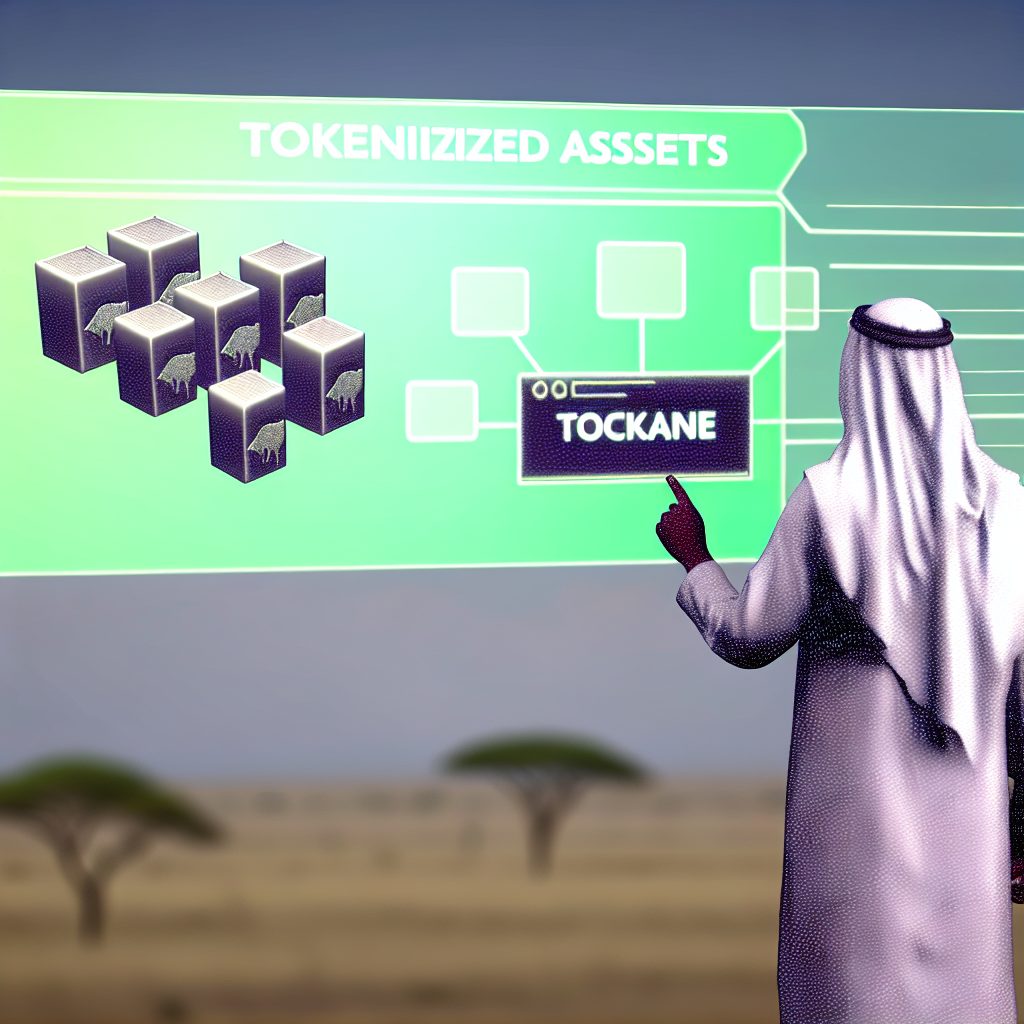
- Accessibility: Tokenization allows individuals to invest in assets that may have previously been out of reach.
- Liquidity: Tokenized assets can be traded on various platforms, increasing their liquidity.
- Fractional Ownership: Investors can buy fractions of high-value assets, lowering the barrier to entry.
The Benefits of Tokenized Assets in Africa
Africa is experiencing a surge in interest in tokenized assets due to several factors:
- Financial Inclusion: Tokenization can help bridge the gap for unbanked populations, providing access to investment opportunities.
- Economic Growth: By attracting foreign investment, tokenized assets can contribute to local economies.
- Innovation: The blockchain ecosystem is fostering innovation in various sectors, including finance, real estate, and agriculture.
How to Buy Tokenized Assets in Africa
Step 1: Research Tokenized Asset Platforms
Before purchasing tokenized assets, it’s crucial to identify reputable platforms that facilitate these transactions. Some popular platforms include:
- Binance: Offers a range of tokenized assets and has a user-friendly interface.
- Coinbase: Known for its security and ease of use, making it suitable for beginners.
- Local platforms: Research local exchanges that specialize in tokenized assets, such as Paxful and Luno.
Step 2: Create an Account
Once you’ve selected a platform, the next step is to create an account. This typically involves:
- Providing personal information such as your name, email address, and phone number.
- Verifying your identity through KYC (Know Your Customer) procedures, which may require uploading identification documents.
- Setting up two-factor authentication for added security.
Step 3: Fund Your Account
After your account is set up, you’ll need to fund it. Most platforms accept various payment methods, including:
- Bank transfers
- Credit and debit cards
- Cryptocurrency deposits
Choose the method that is most convenient for you, keeping in mind any associated fees.
Step 4: Choose Your Tokenized Asset
With your account funded, you can now explore the available tokenized assets. Consider the following factors when making your choice:
- Market Demand: Research the demand for the asset you are interested in.
- Asset Type: Decide whether you want to invest in real estate, art, or other types of assets.
- Risk Assessment: Evaluate the risks associated with the asset, including market volatility and regulatory issues.
Step 5: Make Your Purchase
Once you’ve selected an asset, you can proceed to make your purchase. This usually involves:
- Entering the amount you wish to invest.
- Reviewing the transaction details, including fees and expected returns.
- Confirming the purchase.
Step 6: Secure Your Investment
After purchasing tokenized assets, it’s essential to secure your investment. Consider the following:
- Wallet Options: Store your tokens in a secure wallet, either a hot wallet (online) or a cold wallet (offline).
- Regular Monitoring: Keep an eye on market trends and the performance of your assets.
- Diversification: Consider diversifying your portfolio to mitigate risks.
Regulatory Landscape in Africa
The regulatory environment for cryptocurrencies and tokenized assets varies significantly across African countries. Understanding the local regulations is crucial for compliance and security. Here are some key points to consider:
- Country-Specific Regulations: Each country has its own set of rules governing cryptocurrencies. For instance, South Africa has established a regulatory framework, while other countries may still be developing theirs.
- Tax Implications: Be aware of any tax obligations related to buying and selling tokenized assets.
- Licensing Requirements: Some countries may require platforms to obtain licenses to operate legally.
Challenges of Buying Tokenized Assets in Africa
While the potential for tokenized assets in Africa is significant, there are challenges to consider:
- Infrastructure Issues: Limited internet access and technological infrastructure can hinder participation.
- Regulatory Uncertainty: The evolving regulatory landscape can create confusion and risk for investors.
- Market Volatility: The cryptocurrency market is known for its volatility, which can impact the value of tokenized assets.
Future of Tokenized Assets in Africa
The future of tokenized assets in Africa looks promising, with several trends emerging:
- Increased Adoption: As awareness grows, more individuals and businesses are likely to adopt tokenized assets.
- Technological Advancements: Innovations in blockchain technology will enhance the security and efficiency of transactions.
- Regulatory Developments: Governments are expected to establish clearer regulations, fostering a safer environment for investors.
FAQs
What are tokenized assets?
Tokenized assets are digital representations of real-world assets on a blockchain, allowing for easier trading and fractional ownership.
How do I buy tokenized assets in Africa?
To buy tokenized assets in Africa, research platforms, create an account, fund it, choose your asset, make a purchase, and secure your investment.
Are tokenized assets regulated in Africa?
Regulations vary by country. Some nations have established frameworks, while others are still developing their policies.
What are the risks associated with tokenized assets?
Risks include market volatility, regulatory uncertainty, and potential security issues related to digital wallets.
Can I sell my tokenized assets?
Yes, tokenized assets can typically be sold on the same platform where they were purchased, depending on market conditions.
Conclusion
Buying tokenized assets in Africa presents a unique opportunity for investors looking to diversify their portfolios and engage with innovative financial products. By understanding the process, navigating the regulatory landscape, and being aware of the challenges, you can make informed decisions in this exciting market. For the latest updates on cryptocurrency news, airdrops, and new listings, visit Bitrabo. Follow us on social media for real-time updates: X, Instagram, Threads, Facebook, and LinkedIn.
Disclaimer: This article is for informational purposes only and does not constitute financial advice. Always conduct your own research before making investment decisions.