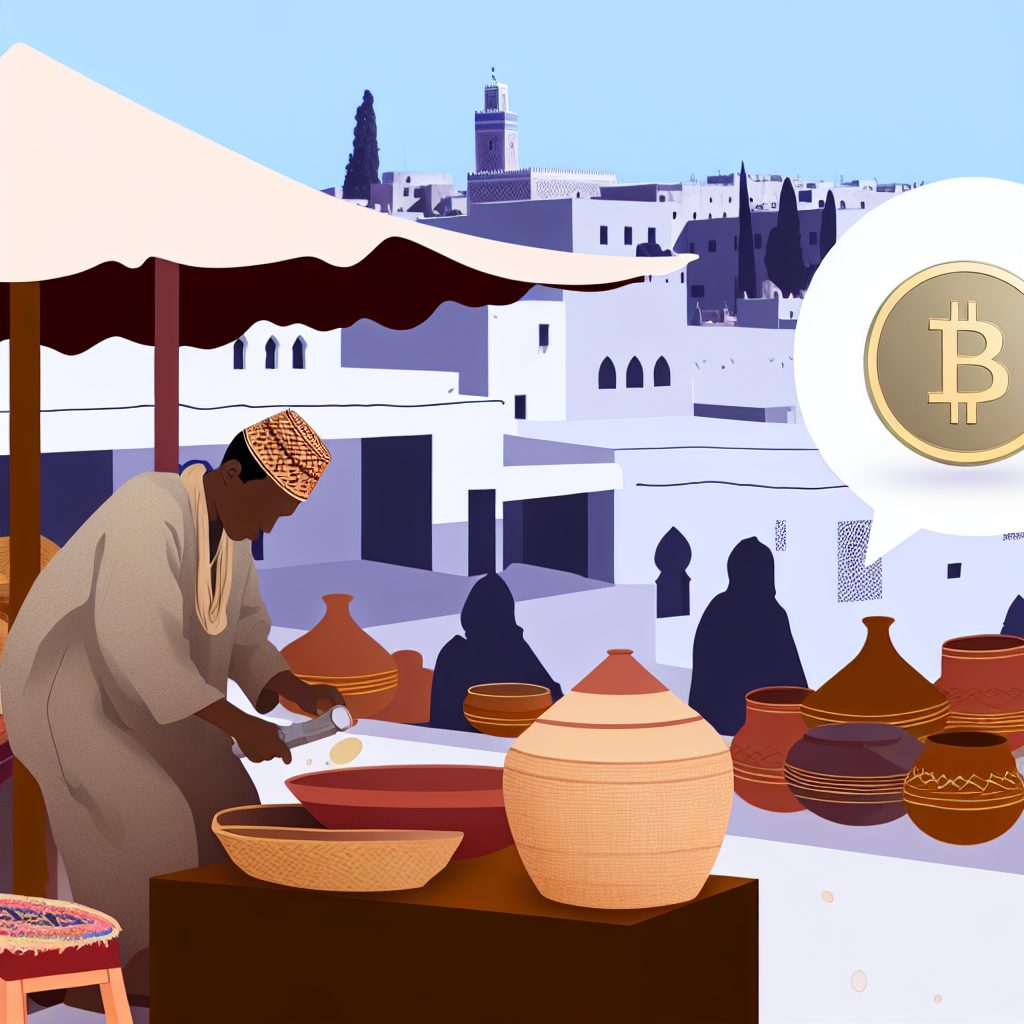
The cryptocurrency landscape has evolved significantly over the past few years, with stablecoins emerging as a vital component of the digital economy. In Morocco, a country with a unique economic environment, the adoption of stablecoins has gained traction among various demographics. This article delves into the reasons behind the quiet reliance of Moroccans on stablecoins, exploring their benefits, challenges, and the broader implications for the Moroccan economy.
Understanding Stablecoins
Stablecoins are a type of cryptocurrency designed to maintain a stable value by pegging them to a reserve of assets, typically fiat currencies like the US dollar or commodities like gold. This stability makes them an attractive option for users who want to avoid the volatility commonly associated with cryptocurrencies like Bitcoin or Ethereum.
- Types of Stablecoins:
- Fiat-collateralized: Backed by a reserve of fiat currency.
- Crypto-collateralized: Backed by other cryptocurrencies.
- Algorithmic: Use algorithms to control supply and demand.
The Economic Landscape in Morocco
Morocco’s economy is characterized by a mix of traditional and modern sectors, with agriculture, mining, and tourism playing significant roles. However, the country faces challenges such as inflation, currency fluctuations, and limited access to financial services, particularly in rural areas. These factors contribute to the growing interest in stablecoins as a means of financial stability and security.
Inflation and Currency Fluctuations
Inflation has been a persistent issue in Morocco, affecting the purchasing power of its citizens. The Moroccan dirham, while relatively stable compared to other currencies, is still subject to fluctuations that can impact savings and investments. Stablecoins offer a hedge against these fluctuations, allowing users to preserve their wealth in a more stable asset.
Access to Financial Services
Many Moroccans, especially in rural areas, lack access to traditional banking services. This financial exclusion drives individuals to seek alternative solutions, such as stablecoins, which can be accessed via smartphones and the internet. The decentralized nature of cryptocurrencies allows users to transact without the need for intermediaries, making financial services more accessible.
Benefits of Using Stablecoins in Morocco
Moroccans are increasingly turning to stablecoins for several compelling reasons:
- Stability: The primary appeal of stablecoins is their ability to maintain a stable value, providing a safe haven for savings.
- Low Transaction Fees: Compared to traditional banking methods, transactions involving stablecoins often incur lower fees, making them more economical for users.
- Speed of Transactions: Stablecoin transactions can be processed quickly, allowing for near-instant transfers, which is particularly beneficial for remittances.
- Global Accessibility: Stablecoins can be accessed from anywhere with an internet connection, enabling Moroccans to participate in the global economy.
Challenges Facing Stablecoin Adoption in Morocco
Despite the benefits, the adoption of stablecoins in Morocco is not without challenges:
- Regulatory Uncertainty: The Moroccan government has been cautious regarding cryptocurrencies, leading to a lack of clear regulations that can hinder adoption.
- Technological Barriers: While smartphone penetration is increasing, not all Moroccans have access to the necessary technology or internet connectivity.
- Education and Awareness: Many individuals remain unaware of how stablecoins work and their potential benefits, which can limit adoption.
The Role of Remittances in Stablecoin Adoption
Remittances play a crucial role in the Moroccan economy, with millions of Moroccans living abroad sending money back home. Traditional remittance services often charge high fees and take several days to process transactions. Stablecoins offer a more efficient alternative, allowing for faster and cheaper transfers.
Case Study: Remittances via Stablecoins
Consider a Moroccan expatriate living in Europe who wants to send money to their family in Morocco. By using a stablecoin, they can transfer funds almost instantly, with minimal fees compared to traditional remittance services. This efficiency not only benefits the sender but also ensures that the recipient receives more value from the transaction.
How Moroccans are Using Stablecoins
Moroccans are utilizing stablecoins in various ways, including:
- Saving: Many individuals are using stablecoins as a means of saving, protecting their funds from inflation.
- Trading: Some users engage in trading stablecoins on various exchanges, taking advantage of price movements.
- Purchasing Goods and Services: A growing number of merchants are beginning to accept stablecoins as a form of payment, further integrating them into the economy.
The Future of Stablecoins in Morocco
The future of stablecoins in Morocco looks promising, with several factors contributing to their potential growth:
- Increased Awareness: As more people become educated about cryptocurrencies and stablecoins, adoption is likely to rise.
- Technological Advancements: Improvements in technology and internet access will facilitate easier use of stablecoins.
- Regulatory Developments: If the Moroccan government establishes clear regulations, it could foster a more favorable environment for stablecoin adoption.
FAQs
What are stablecoins?
Stablecoins are cryptocurrencies designed to maintain a stable value by pegging them to a reserve of assets, such as fiat currencies or commodities.
Why are Moroccans using stablecoins?
Moroccans are using stablecoins for their stability, low transaction fees, speed of transactions, and global accessibility, especially in the context of remittances.
What challenges do stablecoins face in Morocco?
Challenges include regulatory uncertainty, technological barriers, and a lack of education and awareness among the population.
How do stablecoins benefit remittances in Morocco?
Stablecoins provide a faster and cheaper alternative for remittances, allowing expatriates to send money home with minimal fees and delays.
Conclusion
Stablecoins have emerged as a vital financial tool for many Moroccans, offering stability in an otherwise volatile economic environment. As awareness grows and technology improves, the reliance on stablecoins is likely to increase, providing a pathway for greater financial inclusion and economic participation. For those interested in staying updated on the latest trends in the cryptocurrency space, Bitrabo serves as a trusted community for crypto news, airdrops, new listings alerts, signals, price tracking, and more. Follow Bitrabo on X, Instagram, Threads, Facebook, and LinkedIn for the latest updates.
Disclaimer: The information provided in this article is for informational purposes only and should not be considered financial advice. Always conduct your own research before making any investment decisions.