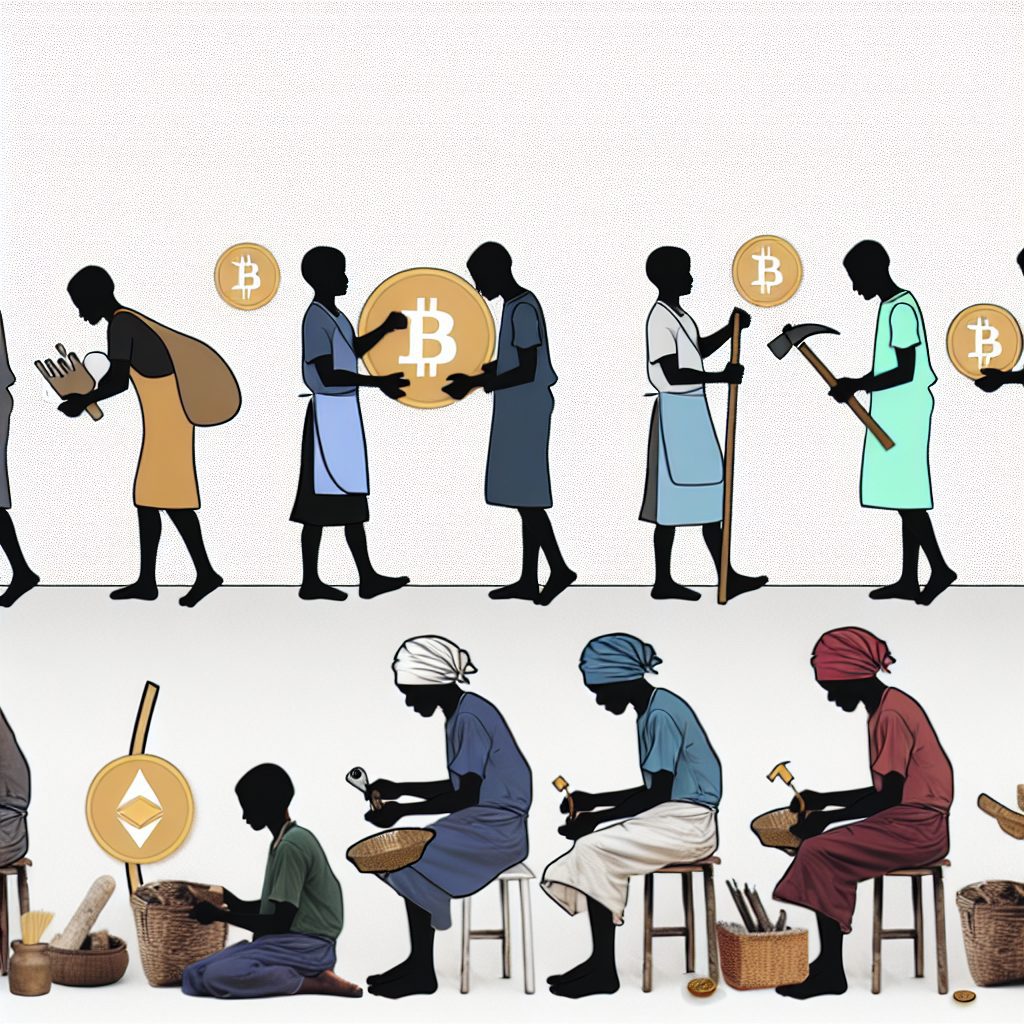
The African gig economy has witnessed remarkable growth in recent years, driven by a surge in digital platforms and a young, tech-savvy population. As this economy expands, the integration of cryptocurrency offers unique opportunities for freelancers and businesses alike. This guide delves into how to effectively use crypto within the African gig economy, exploring its benefits, challenges, and practical applications.
Understanding the African Gig Economy
The gig economy refers to a labor market characterized by short-term contracts and freelance work as opposed to permanent jobs. In Africa, this sector has flourished due to several factors:
- High Unemployment Rates: Many young Africans turn to gig work as a means of income due to limited job opportunities.
- Technological Advancements: The proliferation of smartphones and internet access has made it easier for individuals to connect with clients globally.
- Flexibility: Gig work allows individuals to set their own hours and choose projects that align with their skills and interests.
As of 2025, the gig economy in Africa is estimated to contribute significantly to the continent’s GDP, with millions of individuals engaged in various sectors such as transportation, graphic design, writing, and programming.
The Role of Cryptocurrency in the Gig Economy
Cryptocurrency has emerged as a viable payment method in the gig economy, offering several advantages:
- Lower Transaction Fees: Traditional payment methods often involve high fees, especially for cross-border transactions. Cryptocurrencies typically have lower fees, making them more attractive for freelancers.
- Faster Transactions: Crypto transactions can be completed in minutes, compared to days for bank transfers, allowing freelancers to receive payments promptly.
- Access to Global Markets: Cryptocurrencies enable freelancers to work with clients worldwide without the barriers imposed by local currencies.
- Financial Inclusion: Many Africans lack access to traditional banking services. Cryptocurrencies provide an alternative means of financial participation.
Popular Cryptocurrencies in Africa
Several cryptocurrencies are gaining traction in Africa, each with unique features that cater to the needs of the gig economy:
- Bitcoin (BTC): The first and most recognized cryptocurrency, Bitcoin is widely accepted and can be used for various transactions.
- Ethereum (ETH): Known for its smart contract functionality, Ethereum is popular among developers and freelancers in tech-related fields.
- USDT (Tether): A stablecoin pegged to the US dollar, USDT is favored for its stability, making it a safe choice for freelancers concerned about volatility.
- Binance Coin (BNB): Used on the Binance exchange, BNB offers various benefits, including reduced trading fees, making it appealing for those trading cryptocurrencies.
How to Get Started with Crypto in the Gig Economy
For freelancers looking to integrate cryptocurrency into their work, the following steps can help:
1. Choose a Cryptocurrency Wallet
A cryptocurrency wallet is essential for storing and managing your digital assets. There are several types of wallets:
- Hot Wallets: These are online wallets that are easy to access but may be less secure.
- Cold Wallets: Offline wallets that provide enhanced security, ideal for long-term storage.
Popular wallet options include Coinbase Wallet, Blockchain.com Wallet, and Exodus Wallet.
2. Select a Cryptocurrency Exchange
To buy and sell cryptocurrencies, you will need to register on a cryptocurrency exchange. Some reputable exchanges operating in Africa include:
- Binance: Offers a wide range of cryptocurrencies and trading pairs.
- Luno: Focuses on the African market, providing a user-friendly interface.
- CoinAfrica: A platform tailored for African users, facilitating easy transactions.
3. Accept Cryptocurrency Payments
Freelancers can start accepting cryptocurrency payments by:
- Invoicing Clients: Include your wallet address in invoices to receive payments directly.
- Using Payment Processors: Services like CoinPayments and BitPay allow you to accept crypto payments seamlessly.
4. Educate Yourself on Tax Implications
Understanding the tax implications of cryptocurrency transactions is crucial. In many African countries, cryptocurrencies are treated as assets, and any gains may be subject to capital gains tax. Consult with a tax professional to ensure compliance.
Challenges of Using Crypto in the African Gig Economy
While the benefits of using cryptocurrency are significant, there are also challenges to consider:
- Volatility: The value of cryptocurrencies can fluctuate dramatically, posing risks for freelancers who rely on them for income.
- Regulatory Uncertainty: Many African countries are still developing regulations around cryptocurrency, which can create uncertainty for users.
- Limited Acceptance: Not all clients may be willing to pay in cryptocurrency, limiting its use in some sectors.
Case Studies: Successful Use of Crypto in the African Gig Economy
Several freelancers and businesses in Africa have successfully integrated cryptocurrency into their operations:
1. Graphic Designers in Nigeria
Many graphic designers in Nigeria have started accepting Bitcoin and Ethereum for their services. This has allowed them to reach international clients and receive payments quickly, bypassing the high fees associated with traditional payment methods.
2. Software Developers in Kenya
Kenyan software developers are leveraging Ethereum’s smart contracts to create decentralized applications (dApps). By accepting payments in ETH, they can work with clients globally while minimizing transaction costs.
3. Content Creators in South Africa
Content creators in South Africa are using platforms like Patreon to receive cryptocurrency donations from fans. This model has proven successful, allowing creators to monetize their work without relying solely on traditional payment methods.
Future Trends in Crypto and the African Gig Economy
As the gig economy continues to evolve, several trends are likely to shape the future of cryptocurrency use in Africa:
- Increased Adoption: More freelancers and businesses will adopt cryptocurrencies as payment methods, driven by the need for faster and cheaper transactions.
- Regulatory Developments: Governments will likely establish clearer regulations, providing a more stable environment for cryptocurrency use.
- Integration with Traditional Finance: Financial institutions may begin to offer crypto-related services, bridging the gap between traditional and digital currencies.
FAQs
What is the best cryptocurrency for freelancers in Africa?
The best cryptocurrency depends on individual needs. Bitcoin is widely accepted, while stablecoins like USDT offer stability against volatility. Ethereum is ideal for tech-related services due to its smart contract capabilities.
How can I convert cryptocurrency to local currency?
You can convert cryptocurrency to local currency through exchanges like Binance or Luno, which allow you to sell your crypto for your local currency and withdraw it to your bank account.
Are there any risks associated with using cryptocurrency?
Yes, risks include price volatility, regulatory uncertainty, and potential security issues. It’s essential to stay informed and take necessary precautions, such as using secure wallets.
How do I ensure my crypto transactions are secure?
To ensure security, use reputable wallets, enable two-factor authentication, and avoid sharing sensitive information. Regularly update your software and be cautious of phishing attempts.
Conclusion
The integration of cryptocurrency into the African gig economy presents exciting opportunities for freelancers and businesses. By understanding the benefits, challenges, and practical applications of crypto, individuals can leverage this technology to enhance their work and financial independence. As the landscape continues to evolve, staying informed and adaptable will be key to success.
For more insights and updates on cryptocurrency, visit Bitrabo, your trusted source for crypto news, airdrops, and market analysis. Follow us on X, Instagram, Threads, Facebook, and LinkedIn for the latest updates.
Disclaimer: This article is for informational purposes only and does not constitute financial advice. Always conduct your own research before making investment decisions.