Decentralized Autonomous Organizations (DAOs) have emerged as a revolutionary model in the cryptocurrency industry, allowing communities to govern themselves without centralized control. Setting up effective governance rules is crucial for the success and sustainability of a DAO. This guide will provide a comprehensive overview of how to establish governance rules for your DAO, ensuring that it operates smoothly and meets the needs of its members.
Understanding DAO Governance
DAO governance refers to the framework that dictates how decisions are made within the organization. This includes voting mechanisms, proposal processes, and the roles of members. A well-defined governance structure is essential for transparency, accountability, and community engagement.
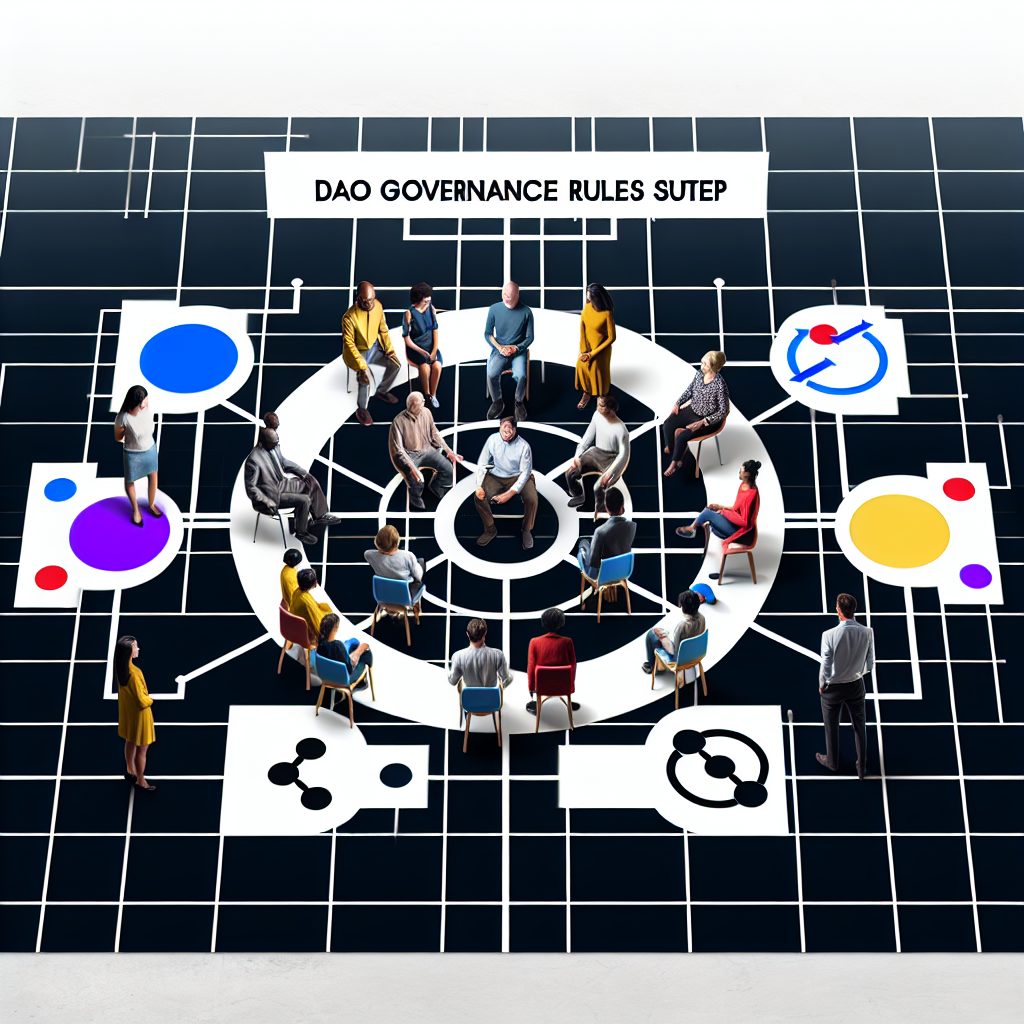
Key Components of DAO Governance
- Voting Mechanisms: The method by which members vote on proposals.
- Proposal Submission: The process for members to submit ideas or changes.
- Member Roles: The responsibilities and powers of different members.
- Quorum Requirements: The minimum number of votes needed for a decision to be valid.
- Dispute Resolution: How conflicts are managed within the DAO.
Steps to Set Up DAO Governance Rules
1. Define the Purpose and Vision
Before establishing governance rules, it is essential to clarify the purpose and vision of your DAO. This foundational step will guide all subsequent decisions and rules. Ask yourself:
- What is the primary goal of the DAO?
- Who are the target members?
- What problems does the DAO aim to solve?
Having a clear vision will help align members and create a sense of community ownership.
2. Choose a Governance Model
There are various governance models to choose from, each with its advantages and disadvantages. Some popular models include:
- Token-Based Voting: Members vote based on the number of tokens they hold. This model incentivizes investment but can lead to centralization.
- Quadratic Voting: A system where members can cast multiple votes, but the cost increases quadratically. This model aims to balance influence among members.
- Liquid Democracy: Members can delegate their voting power to others, allowing for flexible representation.
Consider the goals of your DAO when selecting a governance model. Each model has unique implications for member engagement and decision-making.
3. Establish Voting Mechanisms
Voting mechanisms are critical for ensuring that all members have a voice in the decision-making process. Here are some factors to consider:
- Voting Frequency: How often will votes take place? Regular voting can keep members engaged.
- Voting Duration: How long will members have to cast their votes? A balance between urgency and deliberation is essential.
- Vote Weighting: Will all votes count equally, or will some members have more influence based on their stake?
Clearly outline these mechanisms in your governance documentation to avoid confusion.
4. Create a Proposal Process
A transparent proposal process is vital for encouraging member participation. Consider the following steps:
- Proposal Submission: Define how members can submit proposals. This could be through a dedicated platform or forum.
- Proposal Review: Establish a review process to ensure proposals are feasible and align with the DAO’s vision.
- Proposal Voting: Once reviewed, proposals should be put to a vote. Ensure that all members are notified and have access to the necessary information.
Documenting this process will help maintain transparency and trust among members.
5. Define Member Roles and Responsibilities
Clearly defined roles can enhance accountability and streamline decision-making. Consider the following roles:
- Core Team: A group responsible for day-to-day operations and strategic decisions.
- Advisors: Experienced individuals who provide guidance and expertise.
- General Members: All other members who participate in voting and proposals.
Establishing clear responsibilities will help prevent overlaps and ensure that all tasks are covered.
6. Set Quorum Requirements
Quorum requirements determine the minimum number of votes needed for a decision to be valid. Setting appropriate quorum levels is crucial for ensuring that decisions reflect the will of the community. Consider the following:
- Percentage of Votes: A common approach is to require a certain percentage of total votes to be cast.
- Minimum Participation: Establish a minimum number of participants to ensure that decisions are representative.
Balancing accessibility and accountability is key when setting quorum requirements.
7. Implement Dispute Resolution Mechanisms
Disputes are inevitable in any organization. Having a clear dispute resolution process can help maintain harmony within the DAO. Consider the following methods:
- Mediation: A neutral third party can help facilitate discussions between conflicting parties.
- Voting on Disputes: Members can vote on how to resolve specific conflicts.
- Arbitration: A designated group can make binding decisions on disputes.
Documenting these mechanisms will help members feel secure in their participation.
8. Regularly Review and Update Governance Rules
As the DAO evolves, so too should its governance rules. Regular reviews can help identify areas for improvement and ensure that the rules remain relevant. Consider the following:
- Feedback Mechanisms: Create channels for members to provide feedback on governance rules.
- Scheduled Reviews: Set regular intervals for reviewing and updating rules.
Flexibility is essential for adapting to the changing needs of the community.
Best Practices for DAO Governance
Implementing best practices can enhance the effectiveness of your DAO governance. Here are some recommendations:
- Transparency: Ensure that all decisions, proposals, and voting results are publicly accessible.
- Engagement: Foster a culture of participation by encouraging members to contribute to discussions and proposals.
- Education: Provide resources and training to help members understand the governance process.
By following these best practices, you can create a more engaged and informed community.
Common Challenges in DAO Governance
While setting up governance rules is essential, it is also important to be aware of potential challenges:
- Centralization: Token-based voting can lead to centralization if a few members hold a majority of tokens.
- Voter Apathy: Members may become disengaged if they feel their votes do not matter.
- Complexity: Overly complicated governance structures can confuse members and hinder participation.
Addressing these challenges proactively can help ensure the long-term success of your DAO.
FAQs
What is a DAO?
A Decentralized Autonomous Organization (DAO) is an organization represented by rules encoded as a computer program that is transparent, controlled by organization members and not influenced by a central government.
How do DAOs make decisions?
DAOs make decisions through a voting process where members can propose changes or initiatives and vote on them based on the established governance rules.
What are the benefits of DAO governance?
DAO governance promotes transparency, community engagement, and decentralized decision-making, allowing members to have a direct say in the organization’s direction.
Can governance rules be changed?
Yes, governance rules can be changed through a proposal and voting process, allowing the community to adapt to new challenges and opportunities.
Conclusion
Setting up effective governance rules for a DAO is a critical step in ensuring its success and sustainability. By defining the purpose, choosing a governance model, establishing voting mechanisms, and creating a transparent proposal process, you can foster a thriving community. Regularly reviewing and updating these rules will help your DAO adapt to the evolving landscape of the cryptocurrency industry.
For more insights and updates on the cryptocurrency world, visit Bitrabo, your trusted source for crypto news, airdrops, and new listings alerts. Follow us on X, Instagram, Threads, Facebook, and LinkedIn for the latest updates.
Disclaimer: The information provided in this article is for educational purposes only and should not be considered financial advice. Always conduct your own research before making investment decisions.