Bitcoin, the leading cryptocurrency, is often influenced by broader economic trends. Experts suggest that significant shifts in monetary policy could lead to substantial price increases for Bitcoin in the near future. Analysts are keenly observing various indicators that may trigger a surge in liquidity, which is crucial for Bitcoin’s growth.
Understanding Bitcoin’s Relationship with Economic Liquidity
Many industry leaders assert that the fluctuation of Bitcoin is tightly linked to liquidity levels in the economy. Recent trends in monetary policies, including the actions of central banks, are pivotal in determining Bitcoin’s performance. For instance, when the Federal Reserve expands its balance sheet, it often leads to increased liquidity which can favor Bitcoin.
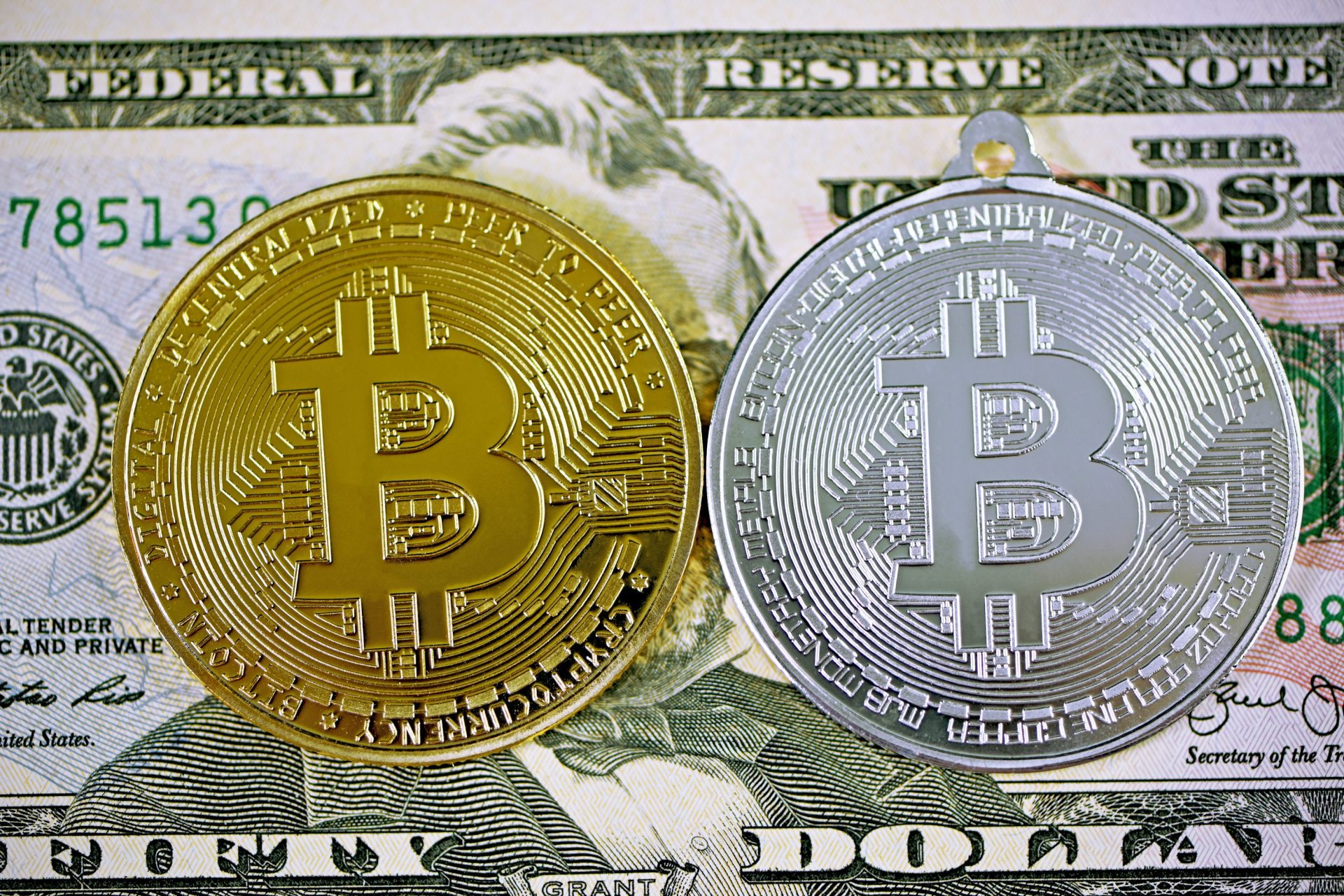
In a notable turn, Bitcoin suffered a decline of 15% last year, whereas precious metals like gold surged by 44%. Technology sector stocks demonstrated stellar returns, leading the market and raising questions about capital allocations.
Government Initiatives Driven by Technology
Government interventions are increasingly focused on promoting technology advancements, especially in areas like artificial intelligence. Such initiatives not only attract investments but also bolster tech stocks significantly. Analysts point to substantial funding from public resources that have channeled money into AI, which in turn has reinforced tech companies during periods of volatility.
Historically, initiatives taken by political leaders have shaped the investment landscape. Recent policies aimed at enhancing technological capabilities have played a role in maintaining a competitive edge for companies that can adapt quickly.
The Role of Defense Spending in Economic Growth
Military expenditure is another crucial factor influencing liquidity. Analysts predict that as the demand for defense extends, this could create opportunities for capital influxes through the banking sector. Large-scale military projects necessitate financing, which can stimulate overall liquidity in the market.
The potential for increased funding in government-backed initiatives poses a promising outlook for risk assets, including Bitcoin, particularly if the economic environment favors expansion.
Market Reactions to Economic Data
Recent economic data shows that cooler inflation metrics have led to a positive market response, with Bitcoin nearing $97,000 after experiencing a notable increase. Additionally, alternative cryptocurrencies like Ethereum and Cardano have also seen significant gains during this timeframe.
With bond yields decreasing and the dollar showing weakness, investors appear eager to reallocate their portfolios towards riskier assets. This pattern reflects a common trend where reduced inflation perceptions lead to lower borrowing costs, thereby spurring investment in riskier assets.
The Future of Bitcoin: A Conditional Optimism
Forecasts suggest that Bitcoin’s success hinges on the ongoing strategy of fiat currency management. Bitcoin is positioned as a form of monetary technology that thrives in environments of inflationary pressures. However, this optimistic view is conditional on several factors.
Should central banks choose to maintain stringent policies, or should inflation rates unexpectedly rise, the anticipated surge in liquidity and, consequently, Bitcoin’s price might not materialize. Thus, investor sentiment will likely be shaped by economic decisions made in the years ahead.
Image credits: Unsplash, chart from TradingView