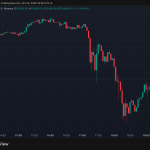
The cryptocurrency market is a complex ecosystem influenced by various factors, one of the most significant being the actions of crypto whales. These individuals or entities hold substantial amounts of cryptocurrency, and their trading behaviors can lead to significant market fluctuations. Understanding the role of crypto whales is crucial for anyone looking to navigate the volatile waters of cryptocurrency trading.
What Are Crypto Whales?
Crypto whales are defined as individuals or entities that hold a large quantity of cryptocurrency. While there is no universally accepted threshold, a common benchmark is holding over 1,000 BTC or its equivalent in other cryptocurrencies. These whales can be early adopters, institutional investors, or even exchanges that control large wallets.

The Impact of Crypto Whales on Market Movements
Crypto whales can influence market movements in several ways:
- Market Manipulation: Whales can create artificial price movements by making large trades. For instance, a whale selling a significant amount of Bitcoin can lead to a price drop, while buying can cause a surge.
- Liquidity Provision: Whales often provide liquidity to the market, making it easier for smaller traders to buy and sell without causing drastic price changes.
- Market Sentiment: The actions of whales can influence the sentiment of retail investors. If a whale is buying, it may signal confidence in the market, encouraging others to follow suit.
How Do Crypto Whales Operate?
Understanding how crypto whales operate can provide insights into their influence on the market. Here are some common strategies employed by these large holders:
- Accumulation: Whales often accumulate assets over time, buying during dips to increase their holdings without significantly impacting the market price.
- Distribution: When they decide to sell, they may do so in a staggered manner to avoid triggering panic selling among smaller investors.
- Whale Alerts: Many whales use tools to monitor market conditions and execute trades based on specific triggers, such as price thresholds or market sentiment indicators.
Identifying Crypto Whales
Identifying crypto whales can be challenging, but there are several methods and tools available:
- Blockchain Explorers: Tools like Blockchain.com allow users to track large transactions and wallet balances.
- Whale Tracking Services: Platforms like Whale Alert provide real-time notifications of large transactions across various blockchains.
- Social Media Monitoring: Many whales are active on social media platforms, sharing insights and market predictions that can influence public sentiment.
The Role of Exchanges in Whale Activity
Exchanges play a crucial role in facilitating whale activity. They provide the necessary infrastructure for large trades and can also influence market dynamics:
- Order Books: Whales often place large orders that can significantly impact the order book, leading to price changes.
- Market Depth: The depth of the market can be affected by whale activity, as large trades can create gaps in liquidity.
- Exchange Policies: Some exchanges have policies that can either encourage or discourage whale trading, such as withdrawal limits or trading fees.
Risks Associated with Whale Influence
While the presence of crypto whales can provide liquidity and market stability, there are also risks involved:
- Market Volatility: Large trades can lead to sudden price swings, making the market unpredictable for smaller investors.
- Panic Selling: If a whale decides to sell a large portion of their holdings, it can trigger panic among retail investors, leading to a sell-off.
- Manipulation Risks: Whales can engage in manipulative practices, such as pump-and-dump schemes, which can harm unsuspecting investors.
Strategies for Retail Investors
For retail investors, understanding the influence of crypto whales can help in making informed trading decisions. Here are some strategies to consider:
- Stay Informed: Keep an eye on whale activity through tracking services and social media to gauge market sentiment.
- Diversify Holdings: Avoid putting all your funds into a single asset to mitigate risks associated with whale movements.
- Set Stop-Loss Orders: Implement stop-loss orders to protect your investments from sudden market downturns caused by whale activity.
Case Studies of Whale Influence
Examining specific instances of whale influence can provide valuable insights:
The 2017 Bitcoin Surge
During the 2017 bull run, several whales accumulated Bitcoin, leading to a significant price increase. Their buying activity created a sense of FOMO (fear of missing out) among retail investors, further driving up prices.
The 2020 Market Crash
In March 2020, as the COVID-19 pandemic began to impact global markets, several whales sold off large amounts of Bitcoin, contributing to a sharp decline in prices. This event highlighted the potential risks associated with whale influence.
Future Trends in Whale Activity
As the cryptocurrency market continues to evolve, the role of whales is likely to change. Here are some potential trends to watch:
- Increased Regulation: As governments implement regulations, the activities of whales may become more transparent, impacting their influence on the market.
- Institutional Investment: The rise of institutional investors may lead to more stable market conditions, as these entities often have different trading strategies compared to individual whales.
- Decentralized Finance (DeFi): The growth of DeFi platforms may alter the dynamics of whale trading, as liquidity pools and automated market makers change how large trades are executed.
FAQs About Crypto Whales
What is a crypto whale?
A crypto whale is an individual or entity that holds a large amount of cryptocurrency, typically over 1,000 BTC or its equivalent in other cryptocurrencies.
How do crypto whales influence the market?
Crypto whales can influence the market through large trades that affect prices, providing liquidity, and shaping market sentiment among retail investors.
Can retail investors track whale activity?
Yes, retail investors can track whale activity using blockchain explorers, whale tracking services, and social media monitoring.
What risks do crypto whales pose to retail investors?
Crypto whales can contribute to market volatility, trigger panic selling, and engage in manipulative practices that can harm unsuspecting investors.
What strategies can retail investors use to mitigate risks associated with whales?
Retail investors can stay informed about whale activity, diversify their holdings, and set stop-loss orders to protect their investments.
Conclusion
Understanding the influence of crypto whales is essential for anyone involved in the cryptocurrency market. Their actions can lead to significant market movements, impacting both prices and investor sentiment. By staying informed and employing strategic trading practices, retail investors can navigate the complexities of the market more effectively.
For the latest updates on cryptocurrency news, airdrops, and market signals, consider joining the Bitrabo Community. Follow us on X, Instagram, Threads, Facebook, and LinkedIn for more insights and updates.
Disclaimer: This article is for informational purposes only and should not be considered financial advice. Always conduct your own research before making investment decisions.