The banking sector is undergoing a profound transformation, driven by the integration of blockchain technology. This innovative approach is reshaping traditional banking systems, enhancing security, efficiency, and transparency. As the cryptocurrency industry continues to evolve, understanding the trends in blockchain integration within banking systems is crucial for stakeholders, investors, and consumers alike.
Understanding Blockchain Technology
Blockchain is a decentralized digital ledger that records transactions across multiple computers. This technology ensures that the recorded transactions cannot be altered retroactively, providing a high level of security and trust. The key features of blockchain include:
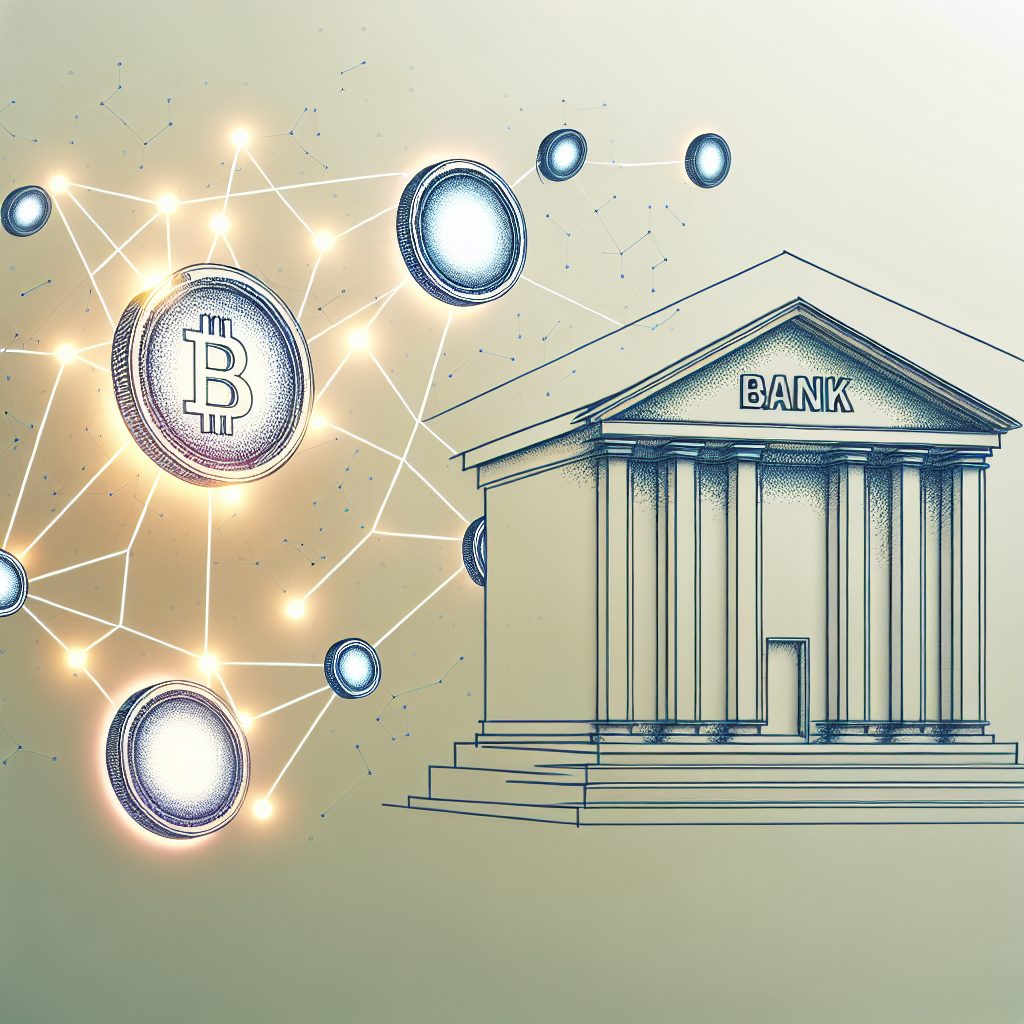
- Decentralization: Unlike traditional banking systems that rely on a central authority, blockchain operates on a peer-to-peer network.
- Transparency: All transactions are visible to participants, fostering trust among users.
- Immutability: Once a transaction is recorded, it cannot be changed, reducing the risk of fraud.
- Smart Contracts: These are self-executing contracts with the terms of the agreement directly written into code, automating processes and reducing the need for intermediaries.
Current Trends in Blockchain Integration in Banking
As banks explore the potential of blockchain, several trends are emerging that highlight its transformative impact on the industry.
1. Enhanced Security Measures
Security is a paramount concern for banks, and blockchain technology offers robust solutions. By utilizing cryptographic techniques, blockchain enhances data security and reduces the risk of cyberattacks. Banks are increasingly adopting blockchain to secure sensitive customer information and transaction data.
2. Cross-Border Payments
Traditional cross-border payment systems are often slow and costly. Blockchain technology streamlines these processes, allowing for faster and cheaper transactions. By eliminating intermediaries, banks can facilitate real-time payments across borders, significantly improving customer experience.
3. Regulatory Compliance and KYC
Compliance with regulations is a critical aspect of banking operations. Blockchain can simplify the Know Your Customer (KYC) process by providing a secure and immutable record of customer identities. This not only enhances compliance but also reduces the time and cost associated with KYC procedures.
4. Tokenization of Assets
Tokenization involves converting physical assets into digital tokens on a blockchain. This trend is gaining traction in banking, allowing for fractional ownership of assets such as real estate or art. Tokenization increases liquidity and opens up investment opportunities for a broader audience.
5. Decentralized Finance (DeFi)
The rise of Decentralized Finance (DeFi) is reshaping the financial landscape. Banks are exploring partnerships with DeFi platforms to offer innovative financial products and services. This integration allows banks to tap into new markets and provide customers with more diverse options.
6. Improved Operational Efficiency
Blockchain technology can streamline various banking operations, reducing the need for manual processes and paperwork. By automating tasks such as reconciliation and settlement, banks can enhance operational efficiency and reduce costs.
7. Digital Currencies and Central Bank Digital Currencies (CBDCs)
Many central banks are exploring the concept of Central Bank Digital Currencies (CBDCs). These digital currencies, built on blockchain technology, aim to provide a secure and efficient means of payment. Banks are closely monitoring the development of CBDCs, as they could significantly impact the traditional banking system.
Challenges in Blockchain Integration
Despite the numerous benefits, integrating blockchain into banking systems is not without challenges. Some of the key obstacles include:
- Regulatory Uncertainty: The regulatory landscape for blockchain and cryptocurrencies is still evolving, creating uncertainty for banks.
- Interoperability: Different blockchain networks may not be compatible, hindering seamless integration.
- Scalability: As transaction volumes increase, ensuring that blockchain networks can handle the load is crucial.
- Cost of Implementation: Transitioning to blockchain technology requires significant investment in infrastructure and training.
Case Studies of Blockchain Integration in Banking
Several banks and financial institutions have successfully integrated blockchain technology into their operations. Here are a few notable examples:
1. JPMorgan Chase
JPMorgan Chase has developed its own blockchain platform, Quorum, which focuses on enhancing privacy and scalability. The bank has also launched the JPM Coin, a digital currency designed for instant cross-border payments.
2. Santander
Banco Santander has implemented blockchain technology for international payments through its One Pay FX service. This platform allows customers to make cross-border transactions in real-time, significantly reducing costs and processing times.
3. HSBC
HSBC has utilized blockchain for trade finance, enabling faster and more secure transactions. The bank’s blockchain platform streamlines the process of issuing letters of credit, reducing paperwork and enhancing efficiency.
The Future of Blockchain in Banking
The future of blockchain integration in banking systems looks promising. As technology continues to advance, banks will likely adopt more innovative solutions to enhance their services. Key areas to watch include:
- Increased Collaboration: Banks may collaborate with fintech companies and blockchain startups to leverage their expertise and accelerate innovation.
- Expansion of DeFi Services: Traditional banks may expand their offerings to include DeFi products, providing customers with more options.
- Focus on Sustainability: Blockchain can enhance transparency in supply chains, promoting sustainable practices in banking.
- Global Adoption of CBDCs: As more countries explore CBDCs, banks will need to adapt their systems to accommodate these digital currencies.
FAQs
What is blockchain technology?
Blockchain technology is a decentralized digital ledger that records transactions across multiple computers, ensuring security, transparency, and immutability.
How does blockchain improve banking security?
Blockchain enhances banking security through cryptographic techniques, making it difficult for unauthorized parties to alter transaction data.
What are Central Bank Digital Currencies (CBDCs)?
CBDCs are digital currencies issued by central banks, designed to provide a secure and efficient means of payment, often built on blockchain technology.
What challenges do banks face in integrating blockchain?
Challenges include regulatory uncertainty, interoperability issues, scalability concerns, and the cost of implementation.
How can blockchain streamline cross-border payments?
Blockchain eliminates intermediaries, allowing for faster and cheaper cross-border transactions, enhancing customer experience.
Conclusion
The integration of blockchain technology in banking systems is not just a trend; it represents a fundamental shift in how financial institutions operate. As banks continue to explore the potential of blockchain, they will enhance security, improve operational efficiency, and offer innovative services to customers. Staying informed about these developments is essential for anyone involved in the cryptocurrency industry.
For the latest updates on blockchain trends and cryptocurrency news, consider joining the Bitrabo Community. Follow us on X, Instagram, Threads, Facebook, and LinkedIn for more insights and updates.
Disclaimer: The information provided in this article is for informational purposes only and should not be considered financial advice. Always conduct your own research before making investment decisions.