Bitcoin vs Cedi: What Ghanaians Are Choosing
The financial landscape in Ghana is evolving rapidly, with the rise of cryptocurrencies like Bitcoin challenging traditional currencies such as the Ghanaian Cedi. As more Ghanaians explore the world of digital currencies, understanding the implications of choosing Bitcoin over the Cedi becomes crucial. This article delves into the factors influencing this choice, the benefits and drawbacks of each currency, and what the future may hold for Ghanaians navigating this financial shift.
Understanding Bitcoin and the Cedi
Bitcoin, launched in 2009, is a decentralized digital currency that operates on a technology called blockchain. It allows for peer-to-peer transactions without the need for intermediaries like banks. The Ghanaian Cedi, on the other hand, is the official currency of Ghana, regulated by the Bank of Ghana. It has been the primary medium of exchange for goods and services in the country.
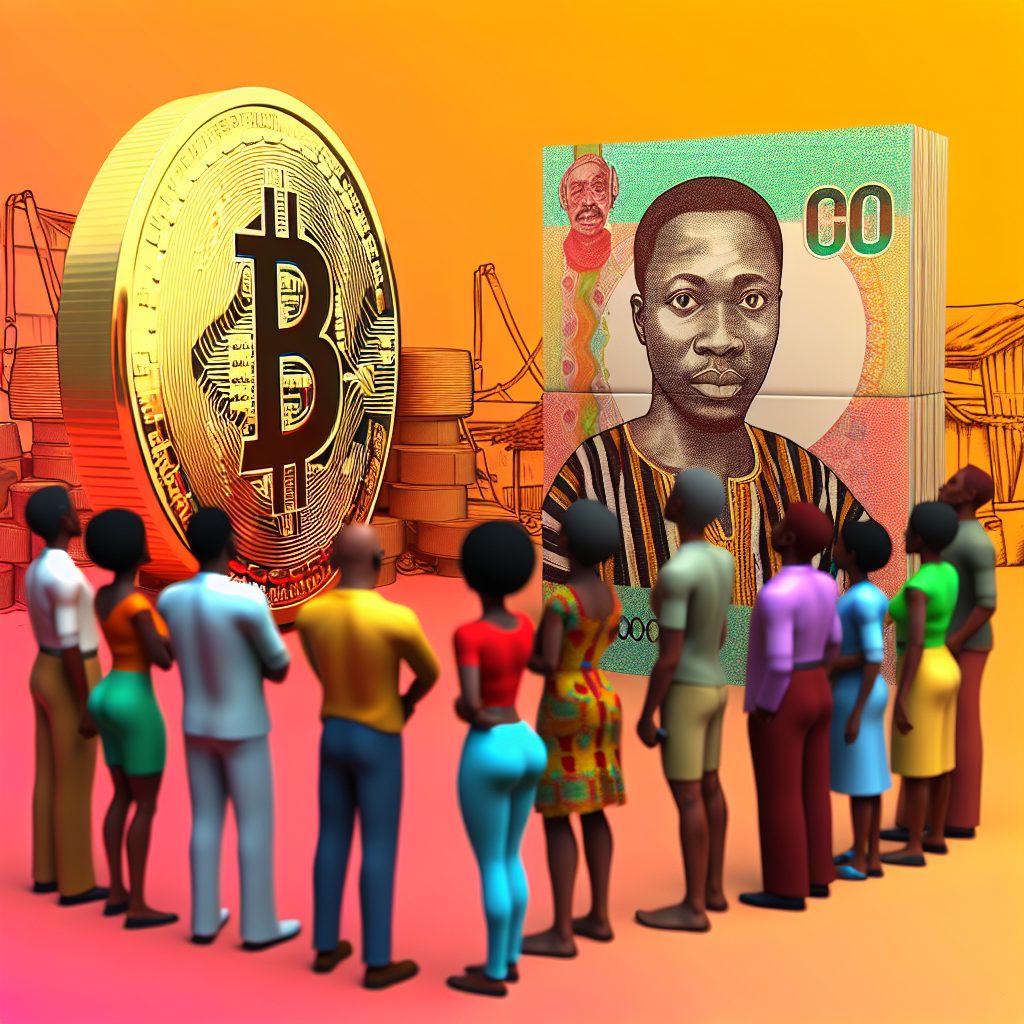
The Rise of Bitcoin in Ghana
In recent years, Bitcoin has gained significant traction in Ghana. Several factors contribute to this trend:
- Inflation and Currency Devaluation: The Cedi has faced challenges with inflation and devaluation, prompting many Ghanaians to seek alternative stores of value.
- Access to Global Markets: Bitcoin provides Ghanaians with access to global financial markets, allowing them to invest and trade without geographical limitations.
- Technological Adoption: With increasing smartphone penetration and internet access, more Ghanaians are becoming familiar with cryptocurrency.
Benefits of Choosing Bitcoin
For many Ghanaians, Bitcoin offers several advantages over the Cedi:
- Decentralization: Bitcoin operates independently of any central authority, reducing the risk of government interference or manipulation.
- Potential for High Returns: The volatile nature of Bitcoin can lead to significant price increases, offering the potential for high returns on investment.
- Security: Transactions made with Bitcoin are secured through cryptography, making it difficult for fraudsters to manipulate the system.
- Global Acceptance: Bitcoin is accepted by a growing number of merchants worldwide, providing Ghanaians with more options for spending their digital assets.
Challenges of Using Bitcoin
Despite its benefits, Bitcoin also presents challenges that Ghanaians must consider:
- Volatility: The price of Bitcoin can fluctuate dramatically, which can be risky for those looking to use it as a stable currency.
- Lack of Regulation: The absence of regulatory frameworks in Ghana can lead to uncertainties regarding the legality and protection of cryptocurrency investments.
- Technical Barriers: Some Ghanaians may find it challenging to navigate the technical aspects of buying, storing, and using Bitcoin.
The Role of the Cedi in Ghana’s Economy
The Cedi remains a vital part of Ghana’s economy, serving as the primary currency for everyday transactions. Here are some key points about the Cedi:
- Stability: While the Cedi has faced inflation, it is still backed by the Bank of Ghana, providing a level of stability that Bitcoin cannot guarantee.
- Legal Tender: The Cedi is recognized as legal tender in Ghana, making it essential for conducting business and fulfilling tax obligations.
- Government Support: The government of Ghana has initiatives aimed at strengthening the Cedi and promoting financial inclusion.
Comparative Analysis: Bitcoin vs Cedi
When comparing Bitcoin and the Cedi, several factors come into play:
1. Stability vs. Volatility
The Cedi offers stability, which is crucial for daily transactions. In contrast, Bitcoin’s volatility can be a double-edged sword, providing opportunities for profit but also posing risks for those who invest without proper knowledge.
2. Accessibility
Bitcoin can be accessed globally, allowing Ghanaians to engage in international trade and investment. The Cedi, while essential for local transactions, limits Ghanaians to the domestic market.
3. Investment Potential
Bitcoin has shown significant growth potential, attracting investors looking for high returns. The Cedi, while stable, does not offer the same investment opportunities.
4. Regulatory Environment
The Cedi is regulated by the Bank of Ghana, providing a safety net for users. Bitcoin, however, operates in a largely unregulated space, which can be both an advantage and a disadvantage.
What Are Ghanaians Choosing?
As Ghanaians weigh their options between Bitcoin and the Cedi, several trends have emerged:
- Increased Adoption: A growing number of Ghanaians are adopting Bitcoin for investment purposes, viewing it as a hedge against inflation.
- Peer-to-Peer Transactions: Many Ghanaians are using Bitcoin for peer-to-peer transactions, especially in the context of remittances.
- Education and Awareness: As awareness of cryptocurrency increases, more Ghanaians are seeking education on how to navigate the crypto space safely.
Future Outlook: Bitcoin and the Cedi
The future of Bitcoin and the Cedi in Ghana will likely be shaped by several factors:
- Regulatory Developments: The Ghanaian government is exploring regulations for cryptocurrencies, which could impact how Bitcoin is used and accepted.
- Technological Advancements: As technology continues to evolve, new platforms and tools may emerge, making it easier for Ghanaians to use Bitcoin.
- Economic Conditions: The economic landscape in Ghana will play a significant role in determining whether more people turn to Bitcoin or continue to rely on the Cedi.
FAQs
1. Is Bitcoin legal in Ghana?
Yes, Bitcoin is legal in Ghana, but it is not recognized as legal tender. The Bank of Ghana has issued warnings about the risks associated with cryptocurrencies.
2. How can I buy Bitcoin in Ghana?
Ghanaians can buy Bitcoin through various platforms, including cryptocurrency exchanges and peer-to-peer trading platforms. It’s essential to choose reputable platforms to ensure security.
3. What are the risks of investing in Bitcoin?
The primary risks include price volatility, lack of regulation, and potential security issues. Investors should conduct thorough research and consider their risk tolerance before investing.
4. Can I use Bitcoin for everyday purchases in Ghana?
While some merchants accept Bitcoin, it is not widely accepted for everyday purchases. The Cedi remains the primary currency for transactions in Ghana.
5. How does Bitcoin compare to traditional investments?
Bitcoin offers high potential returns but comes with significant risks. Traditional investments, such as stocks and bonds, may provide more stability but typically offer lower returns.
Conclusion
The choice between Bitcoin and the Cedi is becoming increasingly relevant for Ghanaians as they navigate a changing financial landscape. While Bitcoin offers exciting opportunities for investment and global access, the Cedi remains a stable and essential currency for everyday transactions. As Ghanaians continue to explore the world of cryptocurrency, understanding the benefits and challenges of each option will be crucial in making informed financial decisions. The future may see a more integrated approach, where both Bitcoin and the Cedi coexist, catering to the diverse needs of the Ghanaian populace.