Bitcoin vs Dinar: Algeria’s Currency Crisis
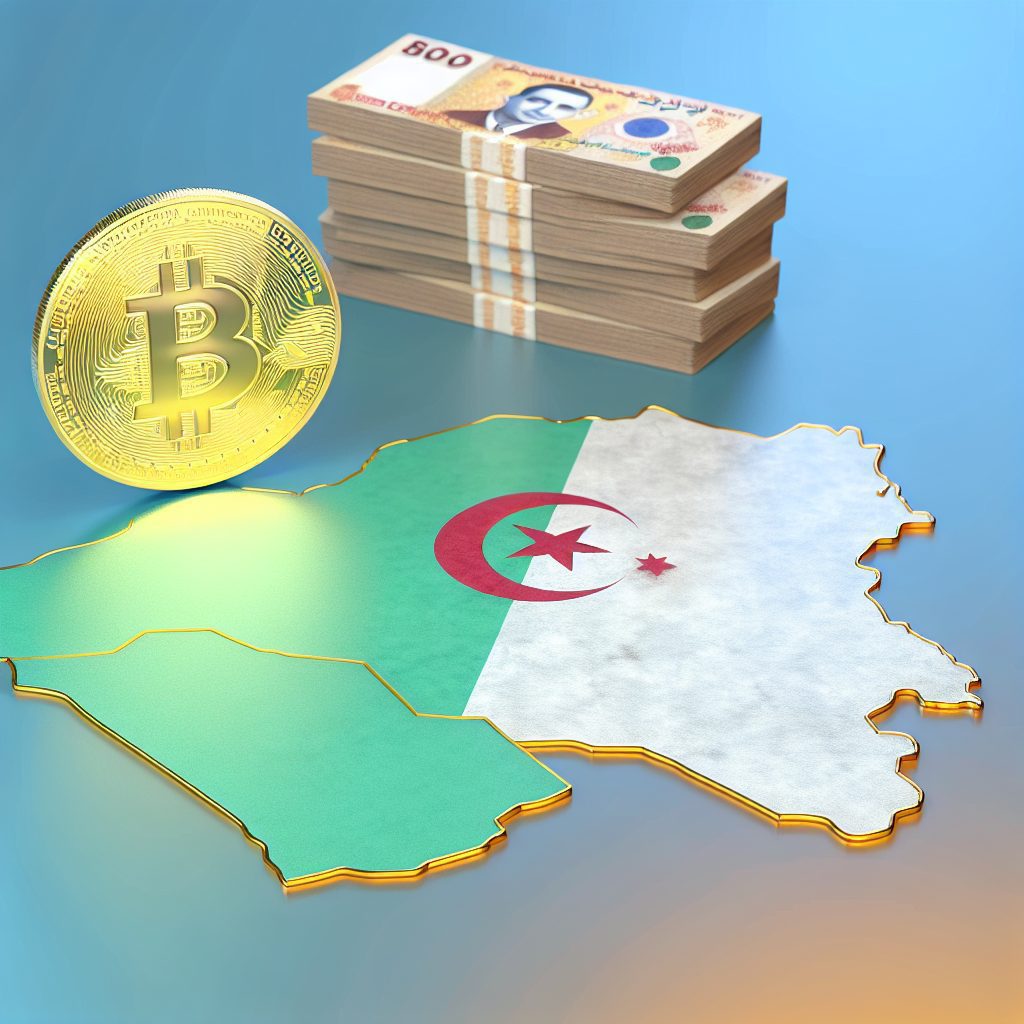
The economic landscape of Algeria has been tumultuous, particularly in recent years, as the country grapples with a significant currency crisis. The Algerian dinar, once a stable currency, has faced severe devaluation, leading many citizens to explore alternative financial solutions. Among these alternatives, Bitcoin has emerged as a potential lifeline. This article delves into the intricacies of Algeria’s currency crisis, the role of Bitcoin, and the implications for the future of finance in the region.
The Current State of the Algerian Dinar
The Algerian dinar has experienced a dramatic decline in value over the past decade. Factors contributing to this devaluation include:
- Economic Mismanagement: Poor fiscal policies and a lack of diversification in the economy have weakened the dinar.
- Dependence on Oil: Algeria’s economy is heavily reliant on oil exports, making it vulnerable to fluctuations in global oil prices.
- Inflation: Rising inflation rates have eroded purchasing power, further diminishing the dinar’s value.
- Political Instability: Ongoing political unrest has led to uncertainty, discouraging foreign investment and exacerbating the crisis.
As a result, the dinar has lost significant value against major currencies, leading to increased costs of living and economic hardship for many Algerians. The official exchange rate often diverges from the black market rate, creating a dual currency system that complicates financial transactions.
Understanding Bitcoin and Its Appeal
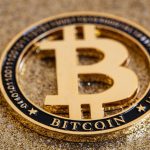
Bitcoin, the first and most well-known cryptocurrency, was created in 2009 as a decentralized digital currency. It operates on a peer-to-peer network, allowing users to send and receive payments without the need for intermediaries like banks. The appeal of Bitcoin lies in several key features:
- Decentralization: Bitcoin is not controlled by any government or financial institution, making it resistant to political and economic instability.
- Limited Supply: With a maximum supply of 21 million coins, Bitcoin is deflationary by nature, contrasting sharply with fiat currencies that can be printed at will.
- Global Accessibility: Anyone with internet access can buy, sell, or trade Bitcoin, providing financial inclusion for those excluded from traditional banking systems.
- Security: Bitcoin transactions are secured through cryptography, making them difficult to counterfeit or manipulate.
For Algerians facing a devalued dinar, Bitcoin presents an attractive alternative for preserving wealth and conducting transactions. As the local currency continues to falter, many are turning to cryptocurrency as a means of financial stability.
The Rise of Cryptocurrency in Algeria
In recent years, the adoption of cryptocurrency in Algeria has gained momentum. Several factors have contributed to this trend:
- Increased Awareness: Educational initiatives and online resources have helped demystify cryptocurrency for the general public.
- Peer-to-Peer Trading: Platforms that facilitate peer-to-peer trading have made it easier for Algerians to buy and sell Bitcoin without relying on traditional exchanges.
- Remittances: Many Algerians living abroad are using Bitcoin to send remittances back home, bypassing high fees associated with traditional money transfer services.
- Investment Opportunities: As the global interest in cryptocurrencies grows, many Algerians are looking to invest in Bitcoin as a hedge against inflation.
Despite the potential benefits, the Algerian government has taken a cautious stance towards cryptocurrency. In 2018, the government banned the use of cryptocurrencies, citing concerns over fraud and money laundering. However, this ban has not deterred many from exploring Bitcoin as a viable alternative to the dinar.
Bitcoin vs Dinar: A Comparative Analysis
When comparing Bitcoin and the Algerian dinar, several key differences emerge:
Stability
The dinar has faced significant volatility due to economic mismanagement and political instability. In contrast, Bitcoin, while also volatile, has shown resilience and a long-term upward trend in value since its inception.
Inflation Resistance
Bitcoin’s limited supply makes it inherently resistant to inflation, whereas the dinar’s value continues to decline due to inflationary pressures.
Accessibility
Bitcoin can be accessed by anyone with an internet connection, providing financial inclusion for those without access to traditional banking. The dinar, however, is subject to government regulations and restrictions.
Transaction Costs
Bitcoin transactions can incur fees, especially during periods of high network congestion. However, these fees are often lower than those associated with traditional banking and money transfer services in Algeria.
The Future of Bitcoin in Algeria
The future of Bitcoin in Algeria remains uncertain, particularly in light of government regulations. However, several trends suggest that cryptocurrency will continue to play a significant role in the country’s financial landscape:
- Growing Acceptance: As more businesses and individuals recognize the benefits of Bitcoin, acceptance may increase, leading to a more robust ecosystem.
- Technological Advancements: Innovations in blockchain technology could enhance the usability and security of Bitcoin, making it more appealing to Algerians.
- Global Trends: As cryptocurrency adoption grows worldwide, Algeria may be influenced by global trends, leading to a shift in regulatory attitudes.
Moreover, the potential for Bitcoin to serve as a hedge against inflation and currency devaluation may drive further interest among Algerians seeking financial stability.
Challenges Facing Bitcoin Adoption in Algeria
Despite its potential, several challenges hinder the widespread adoption of Bitcoin in Algeria:
- Regulatory Uncertainty: The government’s ban on cryptocurrency creates a risky environment for users and investors.
- Lack of Infrastructure: Limited access to reliable internet and technological resources can impede the growth of cryptocurrency adoption.
- Public Perception: Misinformation and skepticism surrounding cryptocurrencies may deter potential users from exploring Bitcoin.
Addressing these challenges will be crucial for fostering a more favorable environment for cryptocurrency in Algeria.
FAQs About Bitcoin and the Algerian Dinar
1. Is Bitcoin legal in Algeria?
As of now, the Algerian government has banned the use of cryptocurrencies, including Bitcoin. However, many individuals continue to use it despite the risks involved.
2. How can I buy Bitcoin in Algeria?
Algerians can buy Bitcoin through peer-to-peer platforms, local exchanges, or by receiving it as payment for goods and services. However, caution is advised due to regulatory risks.
3. What are the risks of using Bitcoin in Algeria?
The primary risks include regulatory penalties, market volatility, and potential scams. Users should conduct thorough research and exercise caution when engaging with cryptocurrencies.
4. Can Bitcoin help with inflation in Algeria?
Bitcoin’s deflationary nature makes it an attractive option for preserving wealth in an inflationary environment, potentially offering a hedge against the declining value of the dinar.
5. What is the future of the Algerian dinar?
The future of the dinar depends on various factors, including economic reforms, political stability, and global oil prices. Without significant changes, the dinar may continue to face challenges.
Conclusion
The currency crisis in Algeria has prompted many to seek alternatives to the struggling dinar, with Bitcoin emerging as a viable option. While the potential for cryptocurrency adoption exists, challenges such as regulatory uncertainty and public perception must be addressed. As the global landscape of finance continues to evolve, Bitcoin may play a crucial role in shaping the future of Algeria’s economy. The journey towards financial stability may be fraught with obstacles, but the resilience of the Algerian people and the allure of cryptocurrency could pave the way for a brighter financial future.