Blockchain Birth Certificates? It’s Happening
The concept of birth certificates has long been a cornerstone of identity verification, but as technology evolves, so too does the way we manage and store this vital information. Enter blockchain technology, a revolutionary approach that promises to transform how birth certificates are issued, stored, and verified. This article delves into the intersection of blockchain and birth certificates, exploring the implications for the cryptocurrency industry and society at large.
Understanding Blockchain Technology
Before diving into the specifics of blockchain birth certificates, it’s essential to grasp what blockchain technology entails. At its core, blockchain is a decentralized ledger that records transactions across multiple computers in a way that ensures the security and transparency of data.
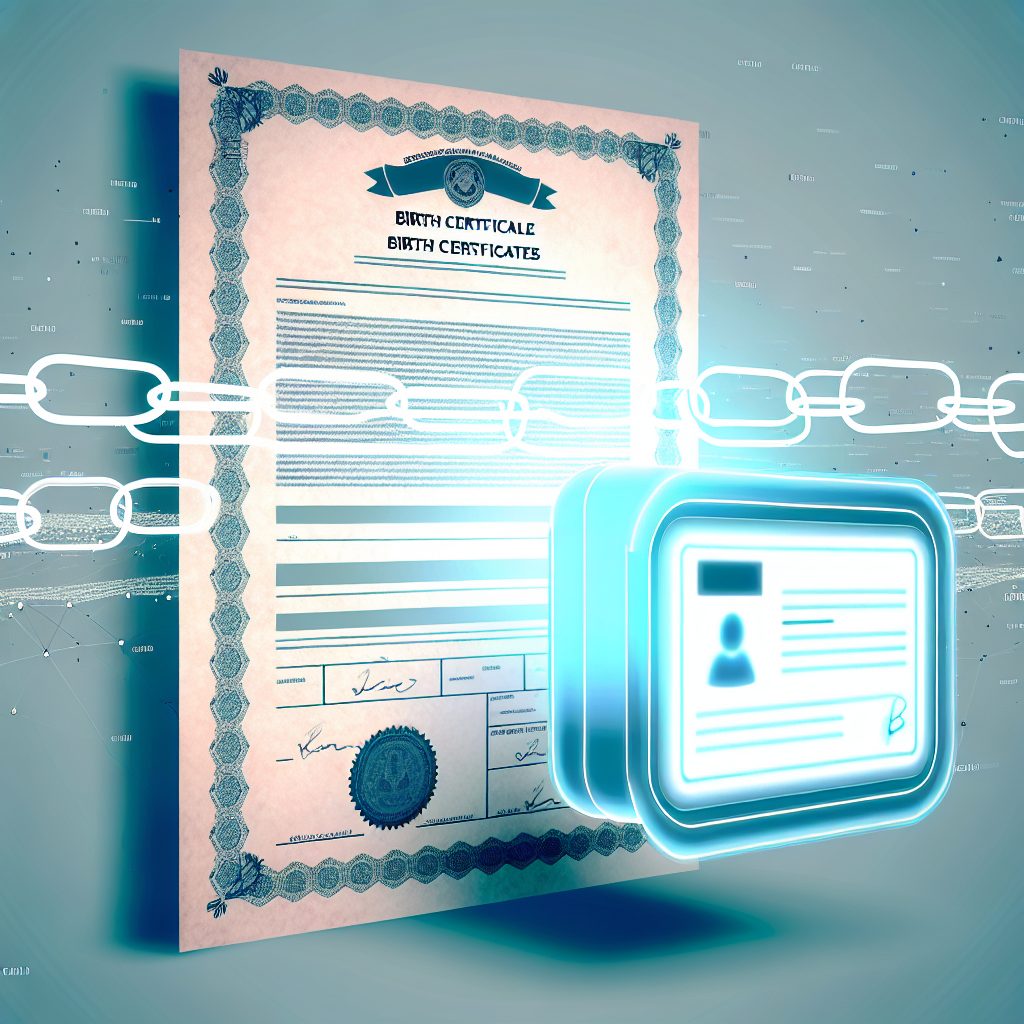
- Decentralization: Unlike traditional databases controlled by a single entity, blockchain operates on a peer-to-peer network, reducing the risk of data manipulation.
- Immutability: Once data is recorded on a blockchain, it cannot be altered or deleted, ensuring the integrity of the information.
- Transparency: All transactions are visible to participants in the network, fostering trust among users.
These characteristics make blockchain an ideal candidate for managing sensitive information, such as birth certificates, which require a high level of security and trust.
The Current State of Birth Certificates
Traditionally, birth certificates are issued by government authorities and stored in centralized databases. This system, while functional, has several drawbacks:
- Vulnerability to Fraud: Centralized databases are susceptible to hacking and data breaches, leading to identity theft.
- Inaccessibility: Individuals may face challenges accessing their birth certificates, especially in emergencies or when traveling.
- Administrative Delays: The process of obtaining a birth certificate can be slow and cumbersome, often requiring multiple steps and documentation.
These issues highlight the need for a more efficient and secure method of managing birth certificates, paving the way for blockchain solutions.
How Blockchain Can Revolutionize Birth Certificates
Implementing blockchain technology for birth certificates offers numerous advantages:
- Enhanced Security: By storing birth certificates on a blockchain, the risk of unauthorized access and data breaches is significantly reduced.
- Immediate Access: Individuals can access their birth certificates anytime, anywhere, without the need for bureaucratic processes.
- Streamlined Verification: Institutions can quickly verify the authenticity of a birth certificate through the blockchain, reducing the potential for fraud.
These benefits not only improve the user experience but also enhance the overall integrity of identity verification systems.
Real-World Implementations of Blockchain Birth Certificates
Several countries and organizations are already exploring or implementing blockchain-based birth certificate systems:
Estonia: A Pioneer in Digital Identity
Estonia is often cited as a leader in digital identity solutions. The country has implemented a blockchain-based system for various public services, including birth registration. This system allows citizens to access their birth certificates securely and efficiently, showcasing the potential of blockchain technology in government services.
United Arab Emirates: A Vision for the Future
The UAE has launched initiatives to digitize government services, including birth certificates, using blockchain technology. The goal is to create a seamless experience for residents while ensuring data security and integrity.
Other Global Initiatives
Countries like Ghana and India are also exploring blockchain solutions for birth registration, aiming to improve access and reduce fraud. These initiatives demonstrate a growing recognition of the benefits of blockchain in public administration.
The Role of Cryptocurrency in Blockchain Birth Certificates
While blockchain technology is the backbone of digital birth certificates, the cryptocurrency industry plays a crucial role in facilitating these innovations. Here’s how:
- Funding and Investment: Cryptocurrency projects often attract significant investment, enabling the development of blockchain solutions for public services.
- Smart Contracts: Many blockchain birth certificate systems utilize smart contracts, which automate processes and reduce the need for intermediaries.
- Decentralized Identity Solutions: Cryptocurrencies are at the forefront of developing decentralized identity solutions, which can be integrated with blockchain birth certificates for enhanced security.
The synergy between blockchain technology and the cryptocurrency industry is paving the way for innovative solutions that can transform identity verification processes worldwide.
Challenges and Considerations
Despite the promising potential of blockchain birth certificates, several challenges must be addressed:
- Regulatory Hurdles: Governments must establish clear regulations regarding the use of blockchain for official documents, which can be a lengthy process.
- Public Awareness: Educating the public about the benefits and functionality of blockchain birth certificates is crucial for widespread adoption.
- Technical Infrastructure: Developing the necessary technical infrastructure to support blockchain systems can be resource-intensive.
Addressing these challenges will be essential for the successful implementation of blockchain birth certificates on a global scale.
Future Prospects of Blockchain Birth Certificates
The future of blockchain birth certificates looks promising, with several trends likely to shape their development:
- Increased Adoption: As more countries recognize the benefits of blockchain technology, the adoption of blockchain birth certificates is expected to grow.
- Integration with Other Technologies: Blockchain birth certificates may be integrated with other emerging technologies, such as artificial intelligence and biometrics, to enhance security and usability.
- Global Standards: The establishment of global standards for blockchain-based identity verification could facilitate international recognition of digital birth certificates.
These trends indicate a shift towards a more secure and efficient system for managing birth certificates, ultimately benefiting individuals and governments alike.
FAQs About Blockchain Birth Certificates
What is a blockchain birth certificate?
A blockchain birth certificate is a digital version of a traditional birth certificate that is stored on a blockchain, ensuring security, transparency, and easy access.
How does blockchain improve the security of birth certificates?
Blockchain technology enhances security by decentralizing data storage, making it more resistant to hacking and unauthorized access.
Are blockchain birth certificates legally recognized?
The legal recognition of blockchain birth certificates varies by country and jurisdiction. Ongoing regulatory developments are expected to address this issue.
Can I access my blockchain birth certificate anytime?
Yes, one of the key benefits of blockchain birth certificates is that individuals can access their documents anytime and from anywhere, provided they have the necessary credentials.
What are the potential drawbacks of blockchain birth certificates?
Potential drawbacks include regulatory hurdles, the need for public education, and the technical infrastructure required to support blockchain systems.
Conclusion
The integration of blockchain technology into the issuance and management of birth certificates represents a significant advancement in identity verification. By enhancing security, accessibility, and efficiency, blockchain birth certificates have the potential to revolutionize how we manage one of the most fundamental aspects of our identity.
As the cryptocurrency industry continues to evolve, its role in facilitating these innovations will be crucial. Staying informed about developments in this space is essential for anyone interested in the future of identity verification.
For the latest updates on cryptocurrency news, airdrops, and new listings, consider joining the Bitrabo community. Follow Bitrabo on X, Instagram, Threads, Facebook, and LinkedIn.
Disclaimer: The information provided in this article is for informational purposes only and should not be considered financial or legal advice. Always conduct your own research before making any investment decisions.