The blockchain scalability trilemma is a critical concept in the cryptocurrency industry, addressing the challenges of achieving scalability, security, and decentralization simultaneously. As blockchain technology continues to evolve, understanding this trilemma is essential for developers, investors, and users alike. This guide delves into the intricacies of the scalability trilemma, its implications for various blockchain networks, and potential solutions that are being explored in 2025.
What is the Blockchain Scalability Trilemma?
The blockchain scalability trilemma, a term popularized by Ethereum co-founder Vitalik Buterin, posits that blockchain networks can only optimize two out of the three following attributes:
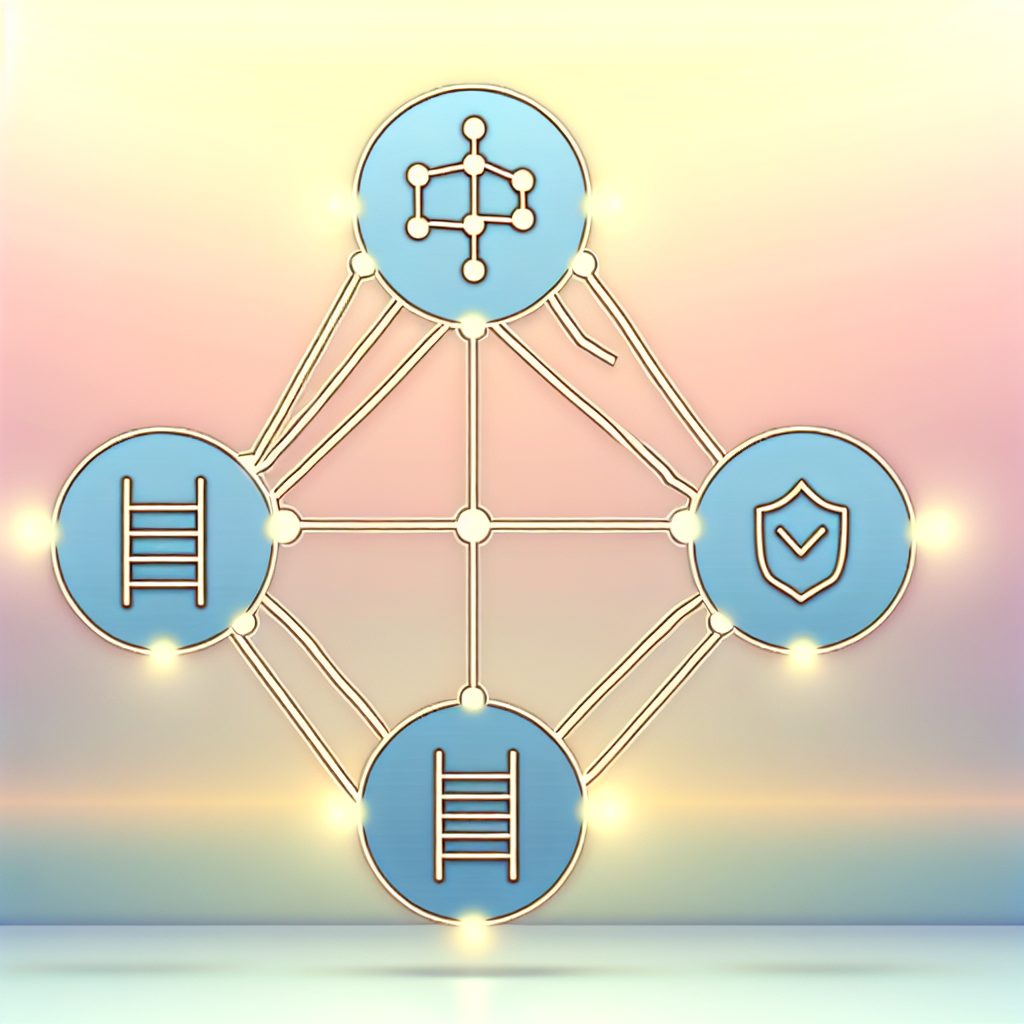
- Scalability: The ability of a blockchain to handle a growing number of transactions efficiently.
- Security: The protection of the network against attacks and ensuring the integrity of transactions.
- Decentralization: The distribution of control and decision-making across a network, minimizing the risk of central points of failure.
In essence, a blockchain can be scalable and secure but may sacrifice decentralization, or it can be decentralized and secure but struggle with scalability. This trilemma presents a significant challenge for developers aiming to create robust blockchain solutions.
The Importance of Scalability in Blockchain
Scalability is crucial for the widespread adoption of blockchain technology. As more users and applications interact with a blockchain, the demand for transaction throughput increases. If a blockchain cannot scale effectively, it may experience:
- Network Congestion: High transaction volumes can lead to delays and increased fees.
- Reduced User Experience: Slow transaction times can deter users from utilizing the network.
- Limited Use Cases: Applications requiring high transaction speeds may be forced to seek alternative solutions.
For instance, during peak times, Ethereum has faced significant congestion, leading to high gas fees and slow transaction confirmations. This has prompted the exploration of various scalability solutions.
Security: The Backbone of Blockchain
Security is paramount in the blockchain space. A secure blockchain ensures that:
- Transactions are Immutable: Once confirmed, transactions cannot be altered or deleted.
- Protection Against Attacks: The network is safeguarded against malicious actors attempting to manipulate the system.
- User Trust: Users are more likely to engage with a platform that guarantees their assets and data are secure.
However, enhancing security often requires additional resources, which can impact scalability. For example, increasing the number of nodes in a network can enhance security but may slow down transaction processing times.
Decentralization: The Core Principle of Blockchain
Decentralization is a fundamental principle of blockchain technology, promoting transparency and reducing the risk of censorship. A decentralized network ensures that:
- No Single Point of Failure: The network remains operational even if some nodes go offline.
- Community Governance: Decisions are made collectively, reducing the risk of central authority abuse.
- Increased Trust: Users can verify transactions independently, fostering trust in the system.
However, achieving high levels of decentralization can complicate scalability. For instance, a highly decentralized network may require more consensus mechanisms, which can slow down transaction processing.
Real-World Examples of the Scalability Trilemma
Several blockchain networks illustrate the scalability trilemma in action:
Bitcoin
Bitcoin is the first and most well-known cryptocurrency, prioritizing security and decentralization. However, its scalability is limited, with a maximum throughput of approximately 7 transactions per second (TPS). This limitation has led to high transaction fees during peak usage times.
Ethereum
Ethereum initially faced similar scalability issues, with a maximum TPS of around 30. The introduction of Ethereum 2.0 aims to enhance scalability through a proof-of-stake consensus mechanism and sharding, which divides the network into smaller, manageable pieces. However, the transition has raised concerns about potential centralization.
Solana
Solana is a blockchain that has achieved remarkable scalability, boasting a TPS of over 65,000. It accomplishes this through a unique consensus mechanism called Proof of History (PoH). However, critics argue that its high throughput may compromise decentralization, as fewer nodes can participate in the network.
Potential Solutions to the Scalability Trilemma
Various solutions are being explored to address the scalability trilemma, each with its own advantages and trade-offs:
Layer 2 Solutions
Layer 2 solutions, such as the Lightning Network for Bitcoin and Optimistic Rollups for Ethereum, aim to enhance scalability by processing transactions off the main blockchain. This approach allows for faster transactions while maintaining the security of the underlying blockchain.
- Lightning Network: Enables instant transactions by creating off-chain payment channels.
- Optimistic Rollups: Batch multiple transactions into a single one, reducing congestion on the Ethereum network.
Sharding
Sharding involves dividing a blockchain into smaller segments, or shards, each capable of processing transactions independently. This method can significantly increase throughput while maintaining decentralization. Ethereum 2.0 is implementing sharding as part of its scalability strategy.
Sidechains
Sidechains are separate blockchains that run parallel to the main chain, allowing for the transfer of assets between them. This approach can alleviate congestion on the main chain while providing additional features and functionalities.
Consensus Mechanism Innovations
Innovations in consensus mechanisms, such as Proof of Stake (PoS) and Delegated Proof of Stake (DPoS), aim to enhance scalability while maintaining security and decentralization. These mechanisms often require less computational power, allowing for faster transaction processing.
The Future of Blockchain Scalability
As the cryptocurrency industry continues to grow, the need for scalable solutions will become increasingly critical. The ongoing development of Layer 2 solutions, sharding, and innovative consensus mechanisms will play a pivotal role in shaping the future of blockchain technology.
In 2025, we can expect to see:
- Increased Adoption of Layer 2 Solutions: More projects will implement Layer 2 solutions to enhance scalability.
- Advancements in Sharding Technology: Ethereum and other networks will refine sharding techniques to improve performance.
- Greater Focus on Decentralization: As scalability solutions evolve, maintaining decentralization will remain a priority for developers.
FAQs about the Blockchain Scalability Trilemma
What is the blockchain scalability trilemma?
The blockchain scalability trilemma refers to the challenge of achieving scalability, security, and decentralization simultaneously in blockchain networks. Developers can typically optimize only two of these three attributes.
Why is scalability important for blockchain networks?
Scalability is essential for accommodating a growing number of users and transactions. Without effective scalability, networks may experience congestion, high fees, and poor user experiences.
How do Layer 2 solutions work?
Layer 2 solutions operate on top of the main blockchain, processing transactions off-chain to reduce congestion and improve transaction speeds while still relying on the security of the underlying blockchain.
What is sharding in blockchain?
Sharding is a technique that divides a blockchain into smaller segments, or shards, allowing each shard to process transactions independently. This can significantly increase the overall throughput of the network.
Can a blockchain be both scalable and decentralized?
While achieving both scalability and decentralization is challenging, ongoing innovations in blockchain technology aim to strike a balance between the two. Solutions like sharding and Layer 2 technologies are steps toward this goal.
Conclusion
The blockchain scalability trilemma presents a complex challenge for developers and users in the cryptocurrency industry. As blockchain technology continues to evolve, understanding the trade-offs between scalability, security, and decentralization is crucial for making informed decisions. The exploration of innovative solutions, such as Layer 2 technologies and sharding, offers hope for overcoming these challenges and paving the way for a more scalable and efficient blockchain ecosystem.
For the latest updates on cryptocurrency news, airdrops, and new listings, visit Bitrabo. Follow us on X, Instagram, Threads, Facebook, and LinkedIn for more insights and updates.
Disclaimer: This article is for informational purposes only and should not be considered financial advice. Always conduct your own research before making investment decisions.