Can NFTs Save Africa’s Cultural Heritage?
The intersection of technology and culture has always been a fascinating domain, but the advent of Non-Fungible Tokens (NFTs) has opened new avenues for preserving and promoting cultural heritage, particularly in Africa. As the continent grapples with the challenges of globalization, urbanization, and the loss of traditional practices, NFTs present a unique opportunity to safeguard and celebrate Africa’s rich cultural tapestry.
Understanding NFTs and Their Relevance
Non-Fungible Tokens are unique digital assets verified using blockchain technology. Unlike cryptocurrencies such as Bitcoin or Ethereum, which are fungible and can be exchanged for one another, NFTs represent ownership of a specific item or piece of content. This uniqueness makes them particularly suitable for representing cultural artifacts, artworks, and traditional practices.
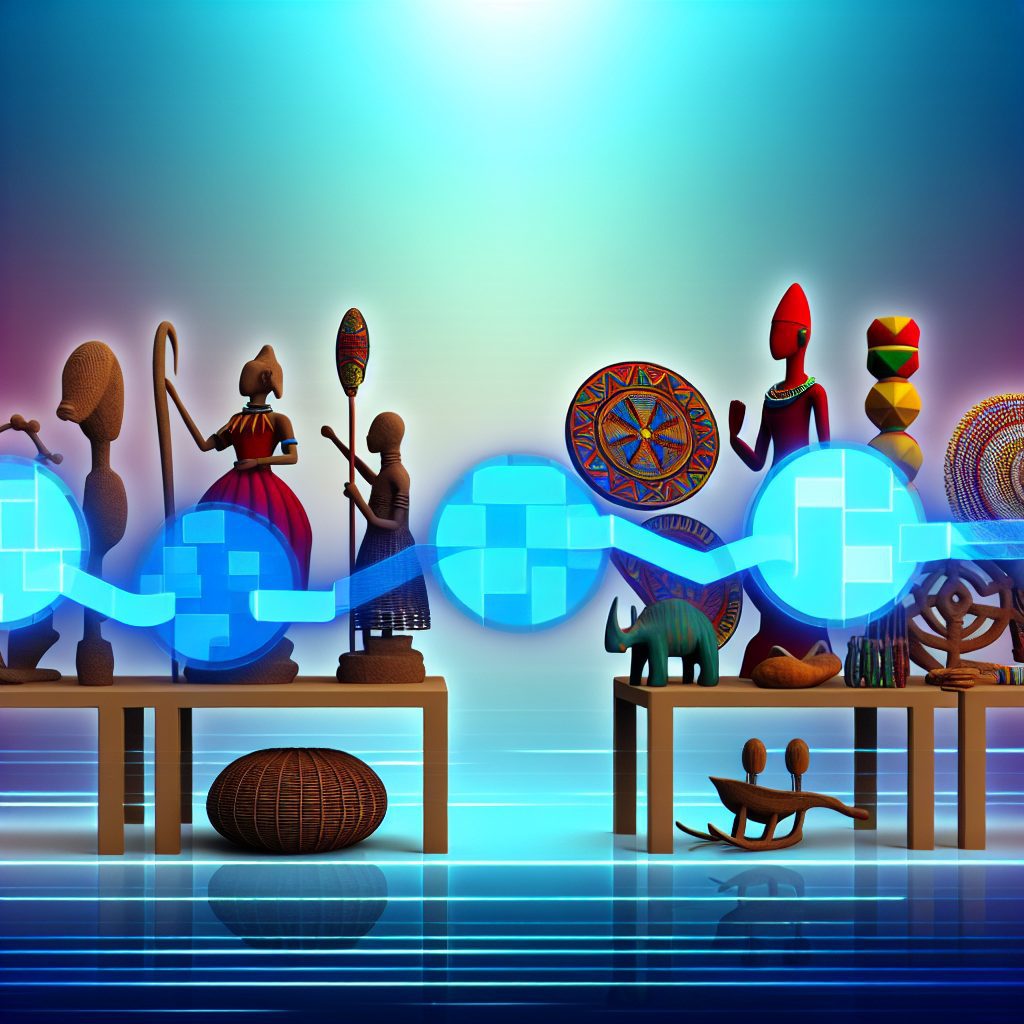
In the context of Africa, NFTs can serve as a digital archive for cultural heritage, allowing artists, historians, and communities to document and share their traditions in a way that is both secure and accessible. The potential for NFTs to revolutionize the preservation of cultural heritage is immense, but it also raises questions about authenticity, ownership, and the commercialization of culture.
The Current State of Africa’s Cultural Heritage
Africa is home to a diverse array of cultures, languages, and traditions. However, many of these are at risk due to various factors:
- Globalization: The influx of foreign cultures can overshadow local traditions.
- Urbanization: Rapid urban development often leads to the erosion of traditional practices.
- Climate Change: Environmental changes threaten historical sites and artifacts.
- Political Instability: Conflicts can result in the destruction of cultural heritage.
These challenges necessitate innovative solutions to preserve and promote Africa’s cultural heritage. NFTs could play a pivotal role in this endeavor.
How NFTs Can Contribute to Cultural Preservation
NFTs offer several advantages that can aid in the preservation of Africa’s cultural heritage:
1. Digital Ownership and Provenance
One of the most significant benefits of NFTs is the ability to establish clear ownership and provenance. Each NFT is linked to a specific digital asset, allowing artists and communities to retain control over their cultural expressions. This is particularly important in a continent where cultural appropriation has been a longstanding issue.
2. Accessibility and Global Reach
NFTs can democratize access to African cultural heritage. By digitizing artifacts, artworks, and performances, they can be made available to a global audience. This not only raises awareness but also generates interest and revenue that can be reinvested into local communities.
3. Revenue Generation for Artists and Communities
Through the sale of NFTs, artists and cultural practitioners can earn income directly from their work. This model allows for fair compensation and can help sustain traditional practices that might otherwise struggle to survive in a modern economy.
4. Preservation of Intangible Heritage
Intangible cultural heritage, such as music, dance, and oral traditions, can also be represented through NFTs. By recording and tokenizing these practices, communities can ensure that their traditions are preserved for future generations.
Case Studies: Successful NFT Projects in Africa
Several initiatives across Africa have begun to harness the power of NFTs for cultural preservation:
1. The African Digital Art Movement
This movement has seen artists from various African countries create and sell NFTs that reflect their cultural heritage. By showcasing traditional art forms in a digital format, they are not only preserving their culture but also reaching a global audience.
2. The Museum of African Art
Some museums are exploring the use of NFTs to create digital replicas of their collections. This allows them to share their artifacts with a wider audience while protecting the originals from damage or theft.
3. Music and Performance NFTs
Musicians and performers are also entering the NFT space, creating unique digital experiences that celebrate their cultural heritage. For instance, traditional music performances can be recorded and sold as NFTs, providing a new revenue stream for artists.
Challenges and Considerations
While the potential of NFTs in preserving Africa’s cultural heritage is promising, several challenges must be addressed:
1. Digital Divide
The digital divide remains a significant barrier in many African countries. Access to the internet and digital tools is not uniform, which could limit the participation of some communities in the NFT space.
2. Intellectual Property Rights
Establishing clear intellectual property rights is crucial to prevent exploitation. Artists and communities must be educated about their rights in the digital space to ensure they are not taken advantage of.
3. Environmental Concerns
The environmental impact of blockchain technology, particularly in terms of energy consumption, is a growing concern. Solutions such as transitioning to more sustainable blockchain platforms are necessary to mitigate these effects.
The Future of NFTs and Cultural Heritage in Africa
The future of NFTs in preserving Africa’s cultural heritage is bright, but it requires collaboration among various stakeholders:
- Governments: Supportive policies and funding can help promote NFT initiatives.
- Artists: Continued innovation and creativity will drive the NFT market.
- Technologists: Developing user-friendly platforms will facilitate access for all.
- Communities: Engaging local communities in the process ensures that cultural expressions are authentically represented.
By working together, these stakeholders can create a vibrant ecosystem that not only preserves cultural heritage but also empowers communities economically and socially.
FAQs
What are NFTs?
NFTs, or Non-Fungible Tokens, are unique digital assets that represent ownership of a specific item or piece of content on a blockchain.
How can NFTs help preserve cultural heritage?
NFTs can document and secure ownership of cultural artifacts, provide global access to cultural expressions, and generate revenue for artists and communities.
Are there any risks associated with NFTs?
Yes, risks include the digital divide, potential exploitation of artists, and environmental concerns related to blockchain technology.
Can anyone create an NFT?
Yes, anyone can create an NFT, but it is essential to understand the legal implications and ensure that you have the rights to the content being tokenized.
Conclusion
NFTs hold significant promise for preserving Africa’s cultural heritage in a rapidly changing world. By leveraging this technology, communities can safeguard their traditions, promote their cultural expressions, and generate sustainable income. However, it is crucial to address the challenges associated with NFTs to ensure that they serve as a tool for empowerment rather than exploitation.
As the cryptocurrency industry continues to evolve, platforms like Bitrabo provide valuable resources for staying informed about the latest developments in the NFT space. Follow Bitrabo on X, Instagram, Threads, Facebook, and LinkedIn for updates on crypto news, airdrops, and new listings.
Disclaimer: This article is for informational purposes only and does not constitute financial advice. Always conduct your own research before making investment decisions.