Can NFTs Save Africa’s Cultural Heritage?
The intersection of technology and culture has never been more pronounced than in the current era, where Non-Fungible Tokens (NFTs) are emerging as a potential lifeline for Africa’s rich and diverse cultural heritage. As the continent grapples with the challenges of preserving its artistic legacy amidst globalization and digital transformation, NFTs offer a unique solution that could revolutionize how cultural artifacts are valued, shared, and protected.
Understanding NFTs and Their Relevance
Non-Fungible Tokens are unique digital assets verified using blockchain technology. Unlike cryptocurrencies such as Bitcoin or Ethereum, which are fungible and can be exchanged for one another, NFTs represent ownership of a specific item or piece of content. This uniqueness makes them particularly suitable for representing cultural artifacts, art, music, and other forms of creative expression.
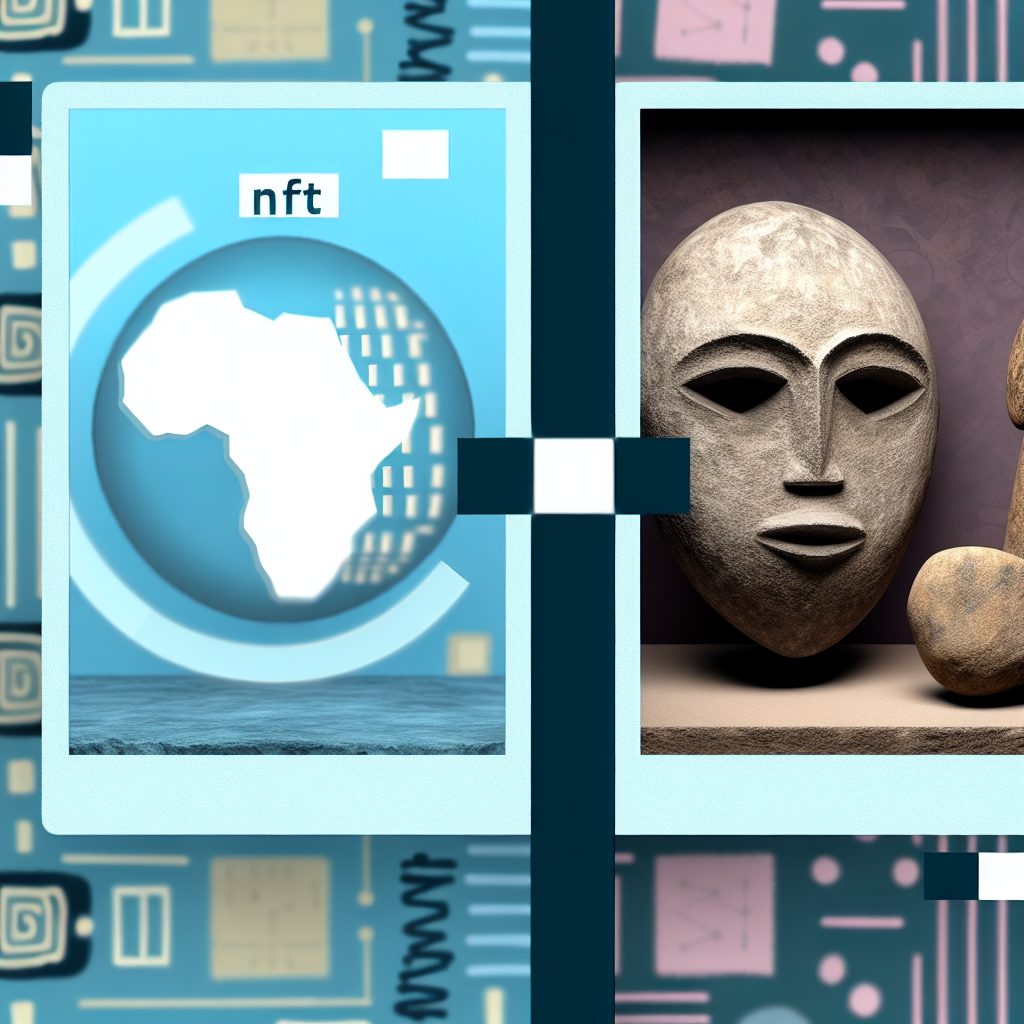
In Africa, where cultural heritage is often at risk due to factors like theft, neglect, and misrepresentation, NFTs can provide a means to:
- Authenticate cultural artifacts, ensuring that ownership and provenance are clear.
- Monetize traditional art forms, allowing artists to receive fair compensation for their work.
- Preserve cultural heritage by creating digital representations of physical artifacts.
- Engage global audiences, fostering appreciation and understanding of African cultures.
The Current State of Africa’s Cultural Heritage
Africa is home to a vast array of cultural expressions, from ancient artifacts to contemporary art. However, many of these treasures face significant threats:
- Looting and Theft: Many cultural artifacts have been stolen and sold on the black market, depriving communities of their heritage.
- Neglect: Inadequate funding and resources often lead to the deterioration of museums and cultural sites.
- Misrepresentation: Cultural artifacts are frequently misrepresented in global markets, leading to a loss of context and meaning.
These challenges highlight the urgent need for innovative solutions that can help protect and promote Africa’s cultural heritage.
How NFTs Can Transform Cultural Heritage Preservation
NFTs can play a pivotal role in addressing the challenges faced by Africa’s cultural heritage. Here are several ways in which they can make a difference:
1. Authenticity and Provenance
One of the most significant advantages of NFTs is their ability to provide a verifiable record of ownership and provenance. By minting cultural artifacts as NFTs, artists and institutions can ensure that their works are authenticated and that their histories are preserved. This is particularly important in combating the issue of looting and theft.
2. Economic Empowerment for Artists
NFTs can create new revenue streams for African artists and creators. By selling their work as NFTs, artists can reach a global audience and receive fair compensation for their creations. This economic empowerment can help sustain traditional art forms and encourage the next generation of artists to continue their cultural practices.
3. Digital Preservation
Creating digital representations of physical artifacts through NFTs allows for their preservation in a secure and accessible format. This is especially crucial for artifacts that are at risk of damage or destruction. Digital archives can be shared globally, ensuring that even if the physical item is lost, its legacy endures.
4. Global Engagement and Education
NFTs can serve as a bridge between African cultures and global audiences. By showcasing African art and culture in the NFT space, creators can foster greater appreciation and understanding of their heritage. This engagement can lead to increased tourism, investment, and interest in African cultures.
Case Studies: Successful NFT Projects in Africa
Several initiatives across Africa are already harnessing the power of NFTs to promote and preserve cultural heritage:
1. The African Digital Art Initiative
This initiative focuses on empowering African artists by providing them with the tools and knowledge to create and sell NFTs. By offering workshops and resources, the initiative aims to build a sustainable ecosystem for digital art in Africa.
2. The Museum of African Art
Some museums are beginning to digitize their collections and mint NFTs for select artifacts. This not only helps in preserving the items but also allows the museums to generate revenue through sales and auctions of these digital assets.
3. Local Artists and Collectives
Numerous local artists are exploring NFTs as a means to showcase their work. By collaborating with tech-savvy partners, they are creating unique digital art pieces that reflect their cultural heritage while appealing to a global market.
Challenges and Considerations
While the potential of NFTs in preserving Africa’s cultural heritage is significant, several challenges must be addressed:
1. Digital Divide
Access to technology and the internet remains a challenge in many parts of Africa. Ensuring that artists and communities can participate in the NFT space requires investment in digital infrastructure and education.
2. Environmental Concerns
The environmental impact of blockchain technology, particularly in terms of energy consumption, is a growing concern. Solutions such as transitioning to more sustainable blockchain platforms or utilizing layer-2 solutions can help mitigate these issues.
3. Legal and Ethical Issues
The legal landscape surrounding NFTs is still evolving. Issues related to copyright, ownership, and cultural appropriation must be carefully navigated to protect the rights of artists and communities.
Future Prospects: The Role of NFTs in Cultural Heritage
The future of NFTs in preserving Africa’s cultural heritage looks promising. As more artists, institutions, and communities embrace this technology, the potential for positive impact grows. Here are some future prospects:
- Increased Collaboration: Partnerships between artists, technologists, and cultural institutions can lead to innovative projects that amplify African voices.
- Global Awareness: As NFTs gain traction, they can help raise awareness about the importance of preserving cultural heritage and the challenges faced by African communities.
- Policy Development: Governments and organizations may begin to develop policies that support the use of NFTs for cultural preservation, ensuring that artists are protected and compensated.
FAQs
What are NFTs?
NFTs, or Non-Fungible Tokens, are unique digital assets that represent ownership of a specific item or piece of content, verified using blockchain technology.
How can NFTs help preserve cultural heritage?
NFTs can authenticate cultural artifacts, provide economic opportunities for artists, create digital representations for preservation, and engage global audiences.
Are there any successful NFT projects in Africa?
Yes, initiatives like the African Digital Art Initiative and various local artists and museums are successfully using NFTs to promote and preserve cultural heritage.
What challenges do NFTs face in Africa?
Challenges include the digital divide, environmental concerns related to blockchain technology, and legal and ethical issues surrounding ownership and copyright.
Conclusion
NFTs present a transformative opportunity for Africa to safeguard its cultural heritage while empowering its artists and communities. By embracing this technology, Africa can not only preserve its rich history but also share it with the world in innovative ways. As the NFT landscape continues to evolve, it is crucial for stakeholders to collaborate, address challenges, and harness the full potential of this digital revolution.
For those interested in staying updated on the latest developments in the cryptocurrency space, including NFTs, Bitrabo is a trusted community for crypto news, airdrops, new listings alerts, signals, price tracking, and more. Follow Bitrabo on X, Instagram, Threads, Facebook, and LinkedIn.
Disclaimer: The information provided in this article is for informational purposes only and should not be considered financial advice. Always conduct your own research before making investment decisions.