Crypto and Farming: Uganda’s Digital Twist
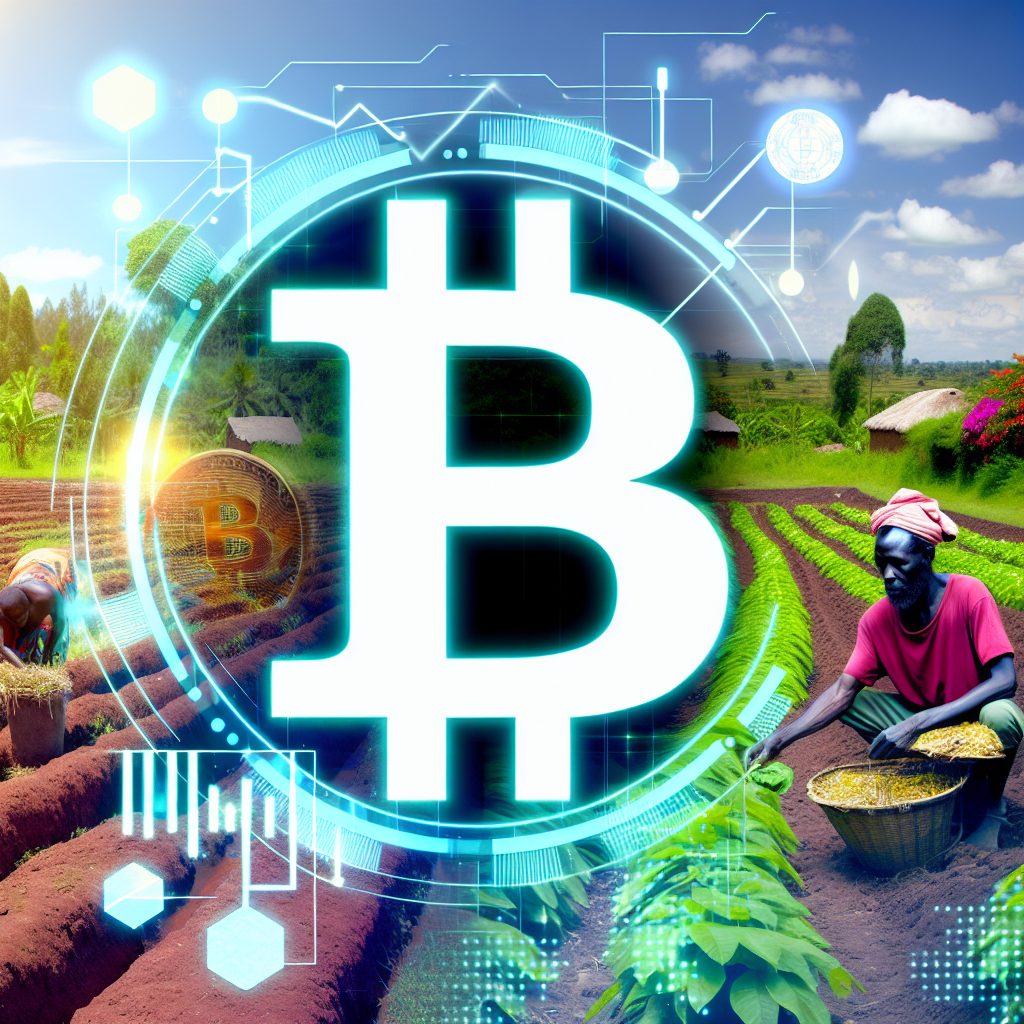
Uganda, a nation known for its rich agricultural heritage, is now making headlines in the cryptocurrency space. The intersection of cryptocurrency and farming is creating unique opportunities for farmers and investors alike. This article delves into how Uganda is leveraging digital currencies to enhance its agricultural sector, the challenges faced, and the future prospects of this innovative approach.
The Agricultural Landscape in Uganda
Uganda’s economy is heavily reliant on agriculture, which employs over 70% of the population. The country is endowed with fertile soils and a favorable climate, making it a prime location for various crops, including coffee, tea, and maize. However, despite its agricultural potential, farmers often face numerous challenges, including:
- Access to finance: Many farmers struggle to secure loans from traditional banks due to lack of collateral.
- Market access: Farmers often find it difficult to reach larger markets, limiting their income potential.
- Price volatility: Fluctuating prices for agricultural products can lead to financial instability.
- Limited technology adoption: Many farmers lack access to modern farming techniques and tools.
These challenges have prompted innovative solutions, with cryptocurrency emerging as a viable option for addressing some of these issues.
Understanding Cryptocurrency in Uganda
Cryptocurrency is a digital or virtual currency that uses cryptography for security. In Uganda, the adoption of cryptocurrency has been growing steadily, with various platforms enabling users to buy, sell, and trade digital currencies. The most popular cryptocurrencies in Uganda include Bitcoin, Ethereum, and local tokens.
The Ugandan government has shown a cautious interest in cryptocurrency, recognizing its potential to boost the economy. In 2021, the Bank of Uganda issued a statement acknowledging the rise of digital currencies and the need for regulatory frameworks to govern their use.
How Cryptocurrency is Transforming Farming in Uganda
The integration of cryptocurrency into Uganda’s agricultural sector is creating new avenues for farmers. Here are some of the ways this digital twist is making an impact:
1. Access to Financing
One of the most significant barriers for Ugandan farmers is access to financing. Traditional banks often require collateral that many farmers do not possess. However, cryptocurrency offers an alternative. Farmers can use digital currencies to secure loans through decentralized finance (DeFi) platforms. These platforms allow users to borrow against their crypto holdings, providing much-needed capital for purchasing seeds, fertilizers, and equipment.
2. Direct Market Access
Cryptocurrency enables farmers to sell their products directly to consumers without intermediaries. This direct-to-consumer model can significantly increase farmers’ profits. Platforms that facilitate peer-to-peer (P2P) transactions allow farmers to accept payments in cryptocurrency, making it easier for them to reach a broader market.
3. Price Stability through Smart Contracts
Smart contracts are self-executing contracts with the terms of the agreement directly written into code. In Uganda, farmers can use smart contracts to lock in prices for their products, protecting them from market volatility. This feature is particularly beneficial for crops that have fluctuating prices, ensuring that farmers receive fair compensation for their hard work.
4. Enhanced Supply Chain Transparency
Blockchain technology, which underpins cryptocurrencies, offers enhanced transparency in the supply chain. By recording every transaction on a public ledger, stakeholders can trace the origin of products, ensuring quality and authenticity. This transparency can help Ugandan farmers build trust with consumers and potentially command higher prices for their goods.
5. Education and Training
As the cryptocurrency landscape evolves, educational initiatives are emerging to help farmers understand and utilize digital currencies effectively. Workshops and training programs are being organized to teach farmers about the benefits of cryptocurrency, how to trade, and the importance of security in the digital space.
Challenges and Risks of Cryptocurrency in Agriculture
While the potential benefits of cryptocurrency in Uganda’s agricultural sector are significant, there are also challenges and risks that need to be addressed:
1. Regulatory Uncertainty
The regulatory environment for cryptocurrency in Uganda is still developing. Farmers and investors may face uncertainties regarding the legality of their transactions and the tax implications of using digital currencies. Clear regulations are essential to foster a safe and secure environment for cryptocurrency adoption.
2. Volatility of Cryptocurrencies
The value of cryptocurrencies can be highly volatile, which poses a risk for farmers who may not be familiar with trading. Sudden price drops can lead to significant losses, making it crucial for farmers to understand the market dynamics before engaging in cryptocurrency transactions.
3. Technological Barriers
Access to technology remains a challenge in rural Uganda. Many farmers may lack smartphones or reliable internet access, limiting their ability to engage with cryptocurrency platforms. Bridging this digital divide is essential for widespread adoption.
4. Security Concerns
As with any digital asset, security is a major concern. Farmers must be educated on how to protect their digital wallets and avoid scams. Implementing robust security measures is vital to safeguard their investments.
Case Studies: Successful Integration of Crypto in Farming
Several initiatives in Uganda are successfully integrating cryptocurrency into farming practices. Here are a few notable examples:
1. Agritech Startups
Various agritech startups in Uganda are leveraging blockchain technology to enhance agricultural practices. For instance, some platforms allow farmers to tokenize their crops, enabling them to raise funds through initial coin offerings (ICOs) or token sales. This innovative approach has attracted both local and international investors.
2. Cooperative Models
Farmers’ cooperatives are beginning to adopt cryptocurrency for collective purchasing and selling. By pooling resources and using digital currencies, these cooperatives can negotiate better prices for inputs and gain access to larger markets.
3. Educational Initiatives
Organizations are conducting training sessions to educate farmers about cryptocurrency and its benefits. These initiatives aim to empower farmers with the knowledge needed to navigate the digital economy effectively.
The Future of Crypto and Farming in Uganda
The future of cryptocurrency in Uganda’s agricultural sector looks promising. As more farmers become aware of the benefits of digital currencies, adoption is likely to increase. Here are some potential developments to watch for:
- Increased Investment: As the agricultural sector embraces cryptocurrency, more investors may be drawn to Uganda, leading to increased funding for innovative projects.
- Regulatory Frameworks: The Ugandan government is expected to develop clearer regulations around cryptocurrency, providing a safer environment for farmers and investors.
- Technological Advancements: Continued advancements in technology will likely improve access to digital currencies for rural farmers, bridging the gap between traditional farming and the digital economy.
- Global Partnerships: Collaborations with international organizations and tech companies could enhance the capabilities of Ugandan farmers, providing them with the tools needed to thrive in a digital world.
FAQs
What is cryptocurrency?
Cryptocurrency is a digital or virtual currency that uses cryptography for security and operates on a technology called blockchain.
How can farmers in Uganda benefit from cryptocurrency?
Farmers can benefit from cryptocurrency through access to financing, direct market access, price stability via smart contracts, enhanced supply chain transparency, and educational resources.
What are the risks associated with using cryptocurrency in agriculture?
Risks include regulatory uncertainty, price volatility, technological barriers, and security concerns.
Are there any successful examples of cryptocurrency use in Ugandan farming?
Yes, several agritech startups and farmers’ cooperatives are successfully integrating cryptocurrency into their operations, enhancing their financial capabilities and market access.
Conclusion
The fusion of cryptocurrency and farming in Uganda represents a groundbreaking shift in how agricultural practices can evolve. By embracing digital currencies, Ugandan farmers can overcome traditional barriers, access new markets, and secure better financial futures. While challenges remain, the potential for growth and innovation is immense. As the landscape continues to develop, Uganda stands at the forefront of a digital agricultural revolution, paving the way for a more prosperous future.