Crypto DJs Are Releasing Music as NFTs
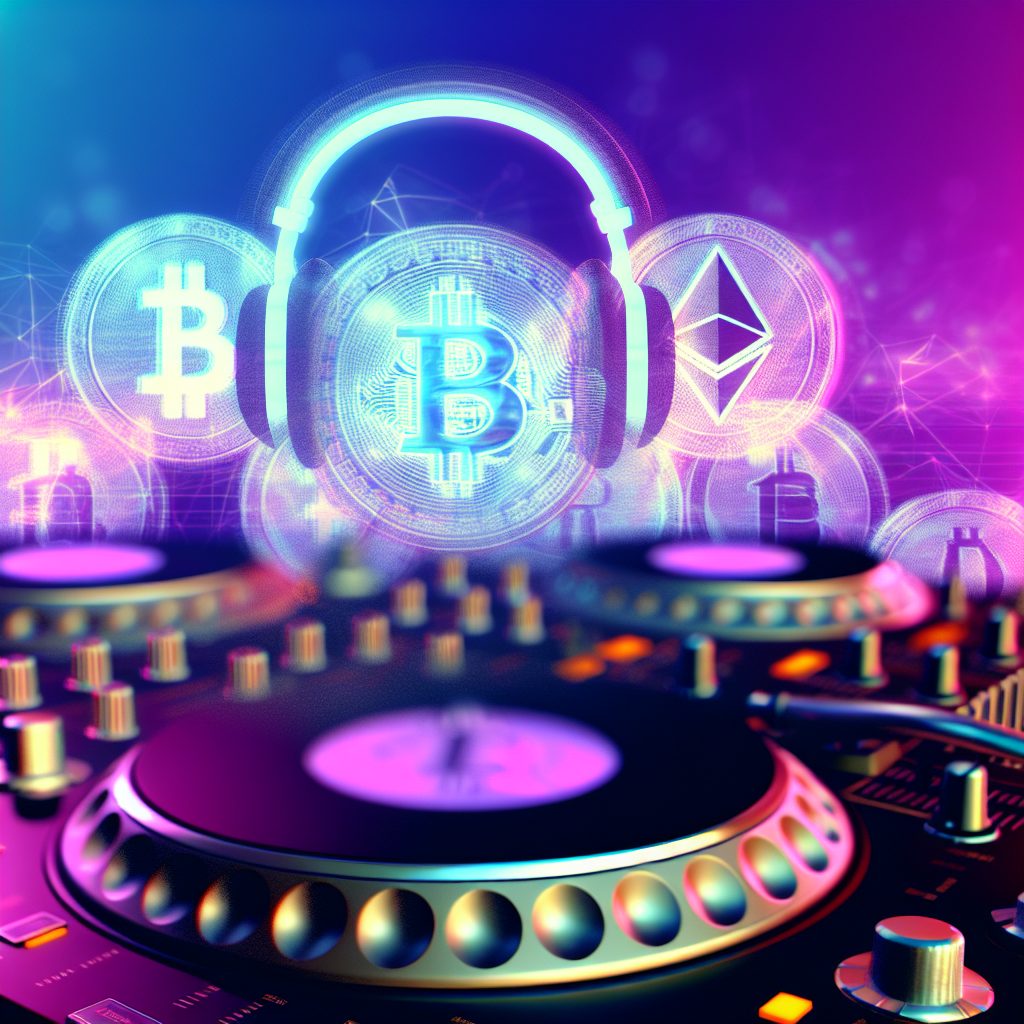
The intersection of music and cryptocurrency has given rise to a revolutionary trend: Crypto DJs releasing their music as Non-Fungible Tokens (NFTs). This innovative approach not only transforms how artists distribute their work but also how fans engage with music. In this article, we will delve into the world of Crypto DJs, the mechanics of music NFTs, and the implications for the music industry and artists alike.
Understanding NFTs in the Music Industry
Non-Fungible Tokens (NFTs) are unique digital assets verified using blockchain technology. Unlike cryptocurrencies such as Bitcoin or Ethereum, which are fungible and can be exchanged for one another, NFTs represent ownership of a specific item or piece of content. In the music industry, NFTs can encapsulate a variety of assets, including:
- Music tracks
- Album artwork
- Exclusive concert tickets
- Behind-the-scenes content
- Personalized messages from artists
By minting their music as NFTs, artists can create a direct connection with their audience, allowing fans to own a piece of their favorite tracks or albums. This model not only empowers artists financially but also enhances fan engagement.
The Rise of Crypto DJs
As the music industry evolves, a new breed of artists known as Crypto DJs has emerged. These DJs leverage blockchain technology to distribute their music, engage with fans, and monetize their work. Some notable Crypto DJs include:
- 3LAU – One of the first DJs to sell music as NFTs, raising over $11 million in a single auction.
- Steve Aoki – Known for his innovative approach to music and technology, Aoki has released multiple NFT collections.
- Grimes – The artist sold her NFT art and music for nearly $6 million, showcasing the potential of digital ownership.
These artists are not just experimenting with new revenue streams; they are also reshaping the relationship between creators and consumers. By utilizing NFTs, Crypto DJs can offer exclusive content and experiences that traditional music distribution methods cannot match.
How Music NFTs Work
Creating and selling music NFTs involves several steps:
- Creation: The artist creates a digital file of their music, which can be a single track, an entire album, or even a remix.
- Minting: The digital file is then minted as an NFT on a blockchain platform, such as Ethereum or Binance Smart Chain. This process involves creating a unique token that represents ownership of the music.
- Marketplace Listing: Once minted, the NFT can be listed on various NFT marketplaces, such as OpenSea, Rarible, or Foundation.
- Sale: Fans can purchase the NFT, gaining ownership of the music and any associated perks, such as exclusive content or concert tickets.
This process not only allows artists to monetize their work directly but also provides fans with a sense of ownership and connection to the music they love.
The Benefits of Music NFTs for Artists
Music NFTs offer several advantages for artists, including:
- Direct Revenue: Artists can sell their music directly to fans, bypassing traditional record labels and distributors.
- Royalties: Smart contracts can be programmed to ensure that artists receive a percentage of future sales whenever their NFT is resold.
- Fan Engagement: NFTs can include exclusive content, creating a deeper connection between artists and their fans.
- Global Reach: Artists can reach a global audience without the limitations of traditional distribution channels.
These benefits are particularly appealing in an industry where artists often struggle to earn a fair share of revenue from their work.
Challenges Facing Crypto DJs and Music NFTs
Despite the numerous advantages, the rise of Crypto DJs and music NFTs is not without challenges:
- Market Volatility: The NFT market can be highly volatile, with prices fluctuating dramatically based on demand and trends.
- Environmental Concerns: The energy consumption associated with blockchain technology has raised concerns about its environmental impact.
- Legal Issues: Copyright and ownership rights can be complex in the digital space, leading to potential legal disputes.
- Consumer Education: Many fans are still unfamiliar with NFTs and how to purchase them, which can limit market growth.
Addressing these challenges will be crucial for the long-term success of music NFTs and the artists who embrace this new model.
Case Studies: Successful Music NFT Projects
Several artists have successfully launched music NFTs, paving the way for others in the industry. Here are a few notable examples:
3LAU’s NFT Auction
In early 2021, DJ 3LAU made headlines by auctioning off his music as NFTs. The auction included unreleased tracks and exclusive experiences, ultimately raising over $11 million. This groundbreaking event demonstrated the potential for artists to monetize their work directly and engage with fans in new ways.
Steve Aoki’s NFT Collection
Steve Aoki has been a prominent figure in the NFT space, releasing multiple collections that include music, art, and exclusive experiences. His approach has not only generated significant revenue but also helped to raise awareness about the potential of NFTs in the music industry.
Grimes’ Digital Art and Music
In March 2021, Grimes sold a collection of digital art and music NFTs for nearly $6 million. This sale highlighted the growing interest in digital ownership and the potential for artists to capitalize on their creativity in the digital realm.
The Future of Music NFTs
The future of music NFTs looks promising, with several trends emerging in the industry:
- Increased Adoption: As more artists explore NFTs, the market is likely to grow, attracting both creators and collectors.
- Integration with Streaming Services: Major streaming platforms may begin to incorporate NFTs, allowing artists to sell exclusive content directly to fans.
- Enhanced Fan Experiences: Artists will continue to innovate, offering unique experiences and content through NFTs, further deepening fan engagement.
- Regulatory Developments: As the NFT market matures, regulatory frameworks may emerge, providing clarity and protection for artists and consumers alike.
These trends suggest that music NFTs will play an increasingly important role in the music industry, reshaping how artists create, distribute, and monetize their work.
FAQs About Music NFTs and Crypto DJs
What is a music NFT?
A music NFT is a unique digital asset that represents ownership of a specific piece of music or related content, verified on a blockchain. It allows fans to own a piece of their favorite music and often includes additional perks.
How do I buy music NFTs?
To buy music NFTs, you typically need a cryptocurrency wallet and some cryptocurrency (like Ethereum). You can then purchase NFTs on various marketplaces such as OpenSea or Rarible.
Are music NFTs worth the investment?
The value of music NFTs can vary significantly based on demand, artist popularity, and market trends. As with any investment, it’s essential to do your research and understand the risks involved.
Can artists earn royalties from music NFTs?
Yes, artists can earn royalties from music NFTs through smart contracts, which can be programmed to pay them a percentage of future sales whenever their NFT is resold.
What are the environmental concerns associated with music NFTs?
The energy consumption of blockchain technology, particularly proof-of-work systems like Ethereum, has raised concerns about the environmental impact of NFTs. However, many platforms are exploring more sustainable alternatives.
Conclusion
The emergence of Crypto DJs releasing music as NFTs marks a significant shift in the music industry. By leveraging blockchain technology, artists can create new revenue streams, engage with fans in innovative ways, and retain greater control over their work. While challenges remain, the potential for growth and transformation in this space is immense. As the industry continues to evolve, platforms like Bitrabo will provide valuable insights and updates on the latest trends in crypto and music. Follow Bitrabo on X, Instagram, Threads, Facebook, and LinkedIn for more information on this exciting intersection of music and technology.
Disclaimer: This article is for informational purposes only and does not constitute financial advice. Always conduct your own research before making investment decisions.