The cryptocurrency landscape has evolved significantly over the years, and understanding the various fees associated with crypto exchanges is crucial for both novice and seasoned traders. As we delve into 2025, this guide will provide a comprehensive comparison of crypto exchange fees, helping you make informed decisions when trading digital assets.
Understanding Crypto Exchange Fees
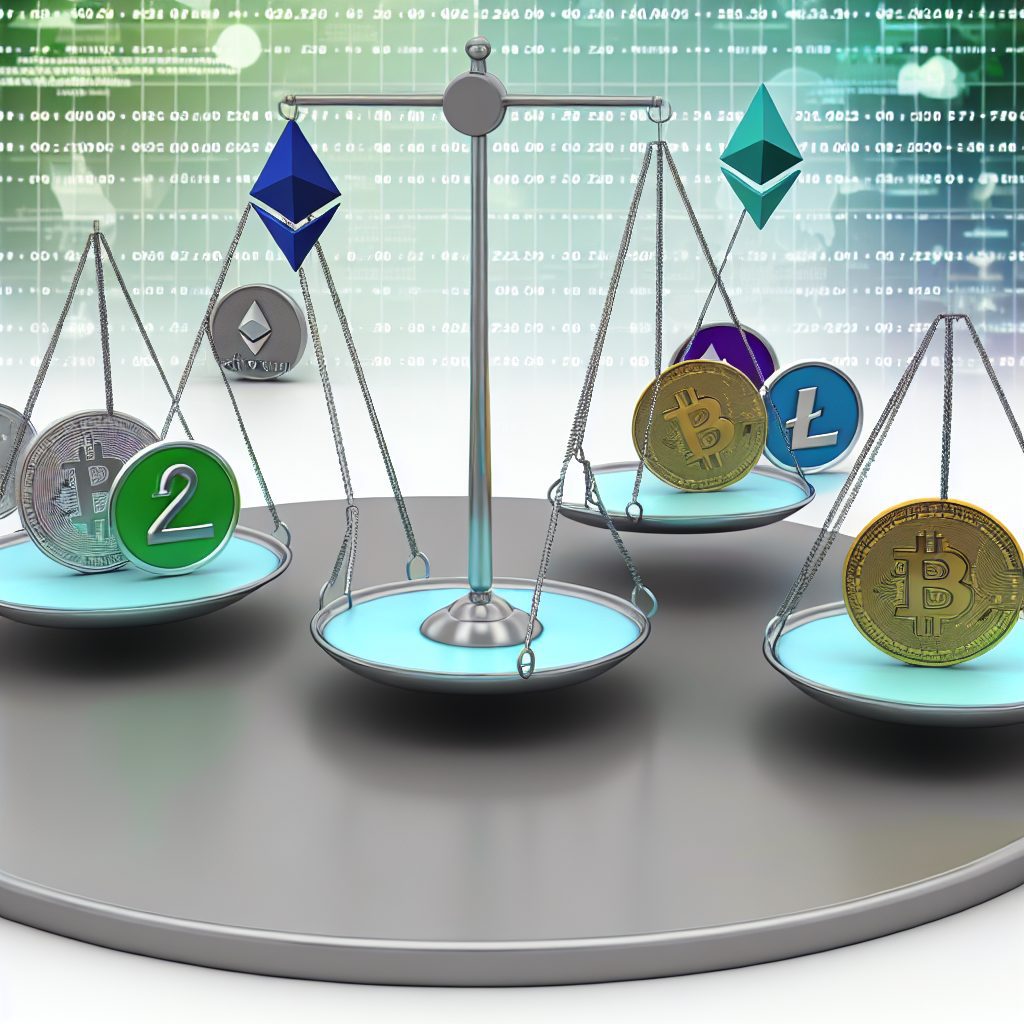
Crypto exchange fees are the costs incurred when buying, selling, or trading cryptocurrencies on an exchange platform. These fees can vary widely between exchanges and can significantly impact your overall trading profitability. The primary types of fees include:
- Trading Fees: Charged for executing buy or sell orders.
- Withdrawal Fees: Fees for transferring cryptocurrencies from the exchange to your wallet.
- Deposit Fees: Costs associated with depositing funds into your exchange account.
- Inactivity Fees: Charges applied if your account remains inactive for a specified period.
Understanding these fees is essential for optimizing your trading strategy and maximizing your returns.
Types of Crypto Exchanges
Before diving into the fee comparisons, it’s important to understand the different types of crypto exchanges available:
- Centralized Exchanges (CEX): These are the most common type of exchanges, where a central authority manages the platform. Examples include Binance, Coinbase, and Kraken.
- Decentralized Exchanges (DEX): These platforms operate without a central authority, allowing peer-to-peer trading. Examples include Uniswap and SushiSwap.
- Hybrid Exchanges: Combining features of both CEX and DEX, these platforms aim to offer the best of both worlds.
Each type of exchange has its own fee structure, which can influence your choice depending on your trading needs.
Comparing Trading Fees in 2025
Trading fees are typically expressed as a percentage of the transaction amount. In 2025, the average trading fees across various exchanges are as follows:
Centralized Exchanges
Centralized exchanges generally charge a maker-taker fee model:
- Binance: 0.1% for both maker and taker trades. Discounts are available for users holding BNB tokens.
- Coinbase: 0.6% to 1.5% depending on the transaction size and payment method.
- Kraken: 0.16% for makers and 0.26% for takers.
These fees can vary based on trading volume, with higher volume traders often receiving lower rates.
Decentralized Exchanges
Decentralized exchanges typically charge lower fees, but users must also consider gas fees associated with blockchain transactions:
- Uniswap: 0.3% on trades, plus Ethereum gas fees.
- SushiSwap: 0.3% on trades, with similar gas fees as Uniswap.
While DEXs offer lower trading fees, the fluctuating gas fees can sometimes negate these savings.
Withdrawal and Deposit Fees
Withdrawal and deposit fees can also impact your trading costs. Here’s a breakdown of common fees in 2025:
Withdrawal Fees
- Binance: Varies by cryptocurrency; for Bitcoin, it’s approximately 0.0005 BTC.
- Coinbase: $1.99 for standard withdrawals, but can vary based on the cryptocurrency.
- Kraken: $0.0005 BTC for Bitcoin withdrawals.
Deposit Fees
- Binance: No deposit fees for cryptocurrencies; bank transfers may incur fees.
- Coinbase: 1.49% for credit/debit card deposits.
- Kraken: No fees for cryptocurrency deposits; bank transfers may have fees.
When choosing an exchange, consider both withdrawal and deposit fees, as they can add up over time.
Inactivity Fees
Some exchanges charge inactivity fees if your account remains dormant for a specified period. Here’s how some popular exchanges handle inactivity fees in 2025:
- Binance: No inactivity fees.
- Coinbase: $10 per month after 12 months of inactivity.
- Kraken: No inactivity fees.
Inactivity fees can be a hidden cost, so it’s essential to stay active or choose exchanges that do not impose such charges.
Factors Influencing Exchange Fees
Several factors can influence the fees charged by crypto exchanges:
- Trading Volume: Higher trading volumes often lead to lower fees.
- Payment Method: Credit/debit card transactions usually incur higher fees compared to bank transfers.
- Market Conditions: During high volatility, exchanges may adjust fees to manage risk.
Understanding these factors can help you choose the right exchange and optimize your trading strategy.
How to Minimize Crypto Exchange Fees
Minimizing fees is crucial for maximizing your trading profits. Here are some strategies to consider:
- Choose the Right Exchange: Compare fees across multiple exchanges to find the most cost-effective option.
- Utilize Fee Discounts: Some exchanges offer discounts for using their native tokens (e.g., Binance with BNB).
- Trade in Higher Volumes: If possible, increase your trading volume to benefit from lower fees.
- Consider DEXs: For certain trades, decentralized exchanges may offer lower fees.
Implementing these strategies can significantly reduce your overall trading costs.
FAQs
What are the average trading fees on crypto exchanges in 2025?
The average trading fees range from 0.1% to 1.5%, depending on the exchange and trading volume.
Are there any exchanges with no withdrawal fees?
Some exchanges, like Binance, do not charge withdrawal fees for certain cryptocurrencies, but others may have varying fees.
How can I avoid inactivity fees on crypto exchanges?
To avoid inactivity fees, ensure you log into your account regularly or choose exchanges that do not impose such fees.
Do decentralized exchanges have lower fees than centralized exchanges?
Generally, DEXs have lower trading fees, but users must also consider gas fees associated with blockchain transactions.
Conclusion
Understanding crypto exchange fees is essential for anyone looking to trade cryptocurrencies effectively. By comparing the various fees associated with different exchanges, you can make informed decisions that align with your trading strategy. As the crypto market continues to evolve, staying updated on fee structures will help you maximize your profits and minimize costs.
For more insights and updates on the cryptocurrency market, visit Bitrabo, your trusted source for crypto news, airdrops, and new listings alerts. Follow us on X, Instagram, Threads, Facebook, and LinkedIn for the latest updates.
Disclaimer: The information provided in this article is for informational purposes only and should not be considered financial advice. Always conduct your own research before making investment decisions.