The Democratic Republic of the Congo (DRC) is a nation rich in natural resources, yet many of its remote villages remain disconnected from the global economy. The advent of cryptocurrency presents a unique opportunity to bridge this gap, offering financial inclusion and economic empowerment. This guide delves into how cryptocurrency can transform the lives of people in these remote areas, exploring its benefits, challenges, and practical applications.
Understanding the Context: DRC’s Economic Landscape
The DRC is home to vast mineral wealth, including cobalt, diamonds, and gold. However, despite these resources, a significant portion of the population lives in poverty. Many remote villages lack access to basic financial services, making it difficult for residents to engage in trade or save money. Traditional banking systems are often inaccessible, leading to a reliance on cash transactions and informal economies.
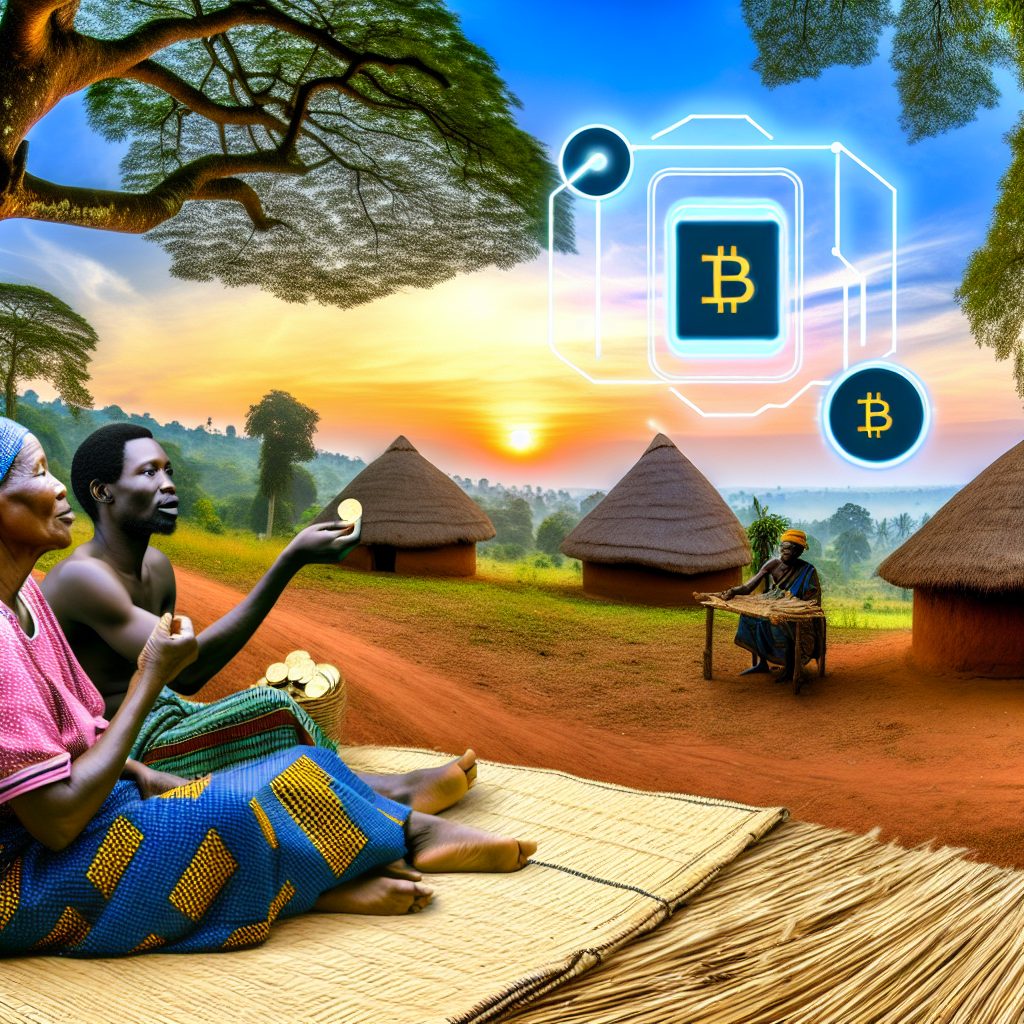
In this context, cryptocurrency emerges as a viable alternative. With the ability to facilitate peer-to-peer transactions without the need for intermediaries, cryptocurrencies can empower individuals in remote villages to participate in the global economy.
What is Cryptocurrency?
Cryptocurrency is a digital or virtual form of currency that uses cryptography for security. Unlike traditional currencies issued by governments, cryptocurrencies operate on decentralized networks based on blockchain technology. This decentralization means that transactions can occur directly between users without the need for a central authority, such as a bank.
Some of the most well-known cryptocurrencies include:
- Bitcoin (BTC): The first and most widely recognized cryptocurrency.
- Ethereum (ETH): Known for its smart contract functionality.
- Litecoin (LTC): Designed for faster transactions than Bitcoin.
- Ripple (XRP): Focused on facilitating international money transfers.
The Benefits of Cryptocurrency for Remote Villages
Cryptocurrency offers several advantages that can significantly impact the lives of people in remote villages in the DRC:
1. Financial Inclusion
Many individuals in remote areas lack access to traditional banking services. Cryptocurrency allows them to create digital wallets and engage in financial transactions without needing a bank account. This inclusion can lead to increased savings and investment opportunities.
2. Lower Transaction Costs
Traditional money transfer services often charge high fees, especially for cross-border transactions. Cryptocurrencies can reduce these costs, making it more affordable for villagers to send and receive money.
3. Economic Empowerment
With access to cryptocurrency, individuals can engage in e-commerce, sell goods and services online, and participate in global markets. This empowerment can lead to increased income and improved living standards.
4. Security and Transparency
Blockchain technology provides a secure and transparent way to conduct transactions. This can help reduce fraud and corruption, which are significant issues in many developing regions.
5. Resilience Against Inflation
In countries with unstable currencies, cryptocurrencies can serve as a hedge against inflation. By holding digital assets, individuals can protect their savings from devaluation.
Challenges to Adoption in Remote Villages
While the potential benefits of cryptocurrency are significant, several challenges must be addressed to facilitate its adoption in remote villages:
1. Lack of Internet Access
Many remote areas in the DRC suffer from limited or no internet connectivity. This lack of access makes it difficult for individuals to engage with cryptocurrency platforms and conduct transactions.
2. Education and Awareness
Understanding cryptocurrency and blockchain technology is crucial for adoption. Many villagers may not be familiar with these concepts, necessitating educational initiatives to raise awareness and provide training.
3. Regulatory Environment
The regulatory landscape for cryptocurrencies in the DRC is still developing. Unclear regulations can create uncertainty and hinder investment in cryptocurrency initiatives.
4. Volatility
Cryptocurrencies are known for their price volatility. This can pose risks for individuals who may not have the financial literacy to navigate these fluctuations effectively.
Practical Applications of Cryptocurrency in Remote Villages
To harness the potential of cryptocurrency, several practical applications can be implemented in remote villages:
1. Local Cryptocurrency Initiatives
Establishing local cryptocurrency initiatives can help create a community-driven economy. These initiatives can involve creating a local token that can be used for transactions within the village, promoting local businesses and services.
2. Mobile Payment Solutions
Mobile payment platforms that integrate cryptocurrency can facilitate transactions in areas with limited banking infrastructure. These platforms can allow users to send and receive payments using their mobile phones, making it easier to engage in commerce.
3. Educational Programs
Implementing educational programs focused on cryptocurrency and blockchain technology can empower villagers with the knowledge needed to participate in the digital economy. Workshops and training sessions can help demystify these concepts and encourage adoption.
4. Partnerships with NGOs and Tech Companies
Collaborating with non-governmental organizations (NGOs) and technology companies can provide the necessary resources and expertise to implement cryptocurrency solutions effectively. These partnerships can help address challenges such as internet access and education.
Case Studies: Successful Cryptocurrency Initiatives
Several successful cryptocurrency initiatives around the world can serve as models for remote villages in the DRC:
1. BitPesa in Africa
BitPesa is a payment platform that uses blockchain technology to facilitate cross-border transactions in Africa. By leveraging cryptocurrency, BitPesa has reduced transaction costs and improved the speed of money transfers, benefiting businesses and individuals alike.
2. Giveth and Charitable Donations
Giveth is a platform that allows users to donate cryptocurrency to charitable causes. This model can be adapted to support local initiatives in remote villages, enabling residents to receive funding for community projects.
3. LocalBitcoins Alternatives
With the shutdown of LocalBitcoins, several other peer-to-peer (P2P) platforms have emerged, allowing users to buy and sell cryptocurrencies directly. These platforms can facilitate local trading and provide access to digital currencies for villagers.
FAQs about Cryptocurrency in Remote Villages
1. How can I buy cryptocurrency in remote areas?
In remote areas, you can buy cryptocurrency through local exchanges or P2P platforms that allow you to trade directly with other users. Mobile payment solutions may also facilitate purchases.
2. Is cryptocurrency safe to use?
While cryptocurrency transactions are secure due to blockchain technology, users must take precautions, such as using secure wallets and being aware of scams.
3. What if I don’t have internet access?
Limited internet access is a challenge, but offline solutions, such as SMS-based transactions, are being developed to facilitate cryptocurrency use in areas with poor connectivity.
4. How can I learn more about cryptocurrency?
Many online resources, including educational platforms and community forums, offer information about cryptocurrency. Local workshops and training sessions can also provide valuable insights.
Conclusion
The potential for cryptocurrency to transform the lives of individuals in remote villages in the DRC is immense. By providing financial inclusion, reducing transaction costs, and empowering local economies, cryptocurrency can help bridge the gap between these communities and the global economy. However, addressing challenges such as internet access, education, and regulatory clarity is crucial for successful adoption.
As the cryptocurrency landscape continues to evolve, initiatives that focus on education, local engagement, and partnerships will be key to unlocking the full potential of digital currencies in the DRC. For more insights and updates on cryptocurrency, visit Bitrabo, your trusted source for crypto news, airdrops, and market signals.
Stay connected with us on social media: X, Instagram, Threads, Facebook, LinkedIn.
Disclaimer: This article is for informational purposes only and does not constitute financial advice. Always conduct your own research before investing in cryptocurrencies.