The rise of cryptocurrency has transformed the financial landscape globally, and Egypt is no exception. Street vendors, who form a significant part of the Egyptian economy, can leverage cryptocurrency to enhance their businesses. This guide delves into how street vendors in Egypt can utilize crypto, the benefits it offers, and practical steps to get started.
Understanding Cryptocurrency
Cryptocurrency is a digital or virtual form of currency that uses cryptography for security. Unlike traditional currencies, cryptocurrencies operate on decentralized networks based on blockchain technology. This decentralization means that no central authority, like a bank or government, controls the currency, making transactions more transparent and secure.
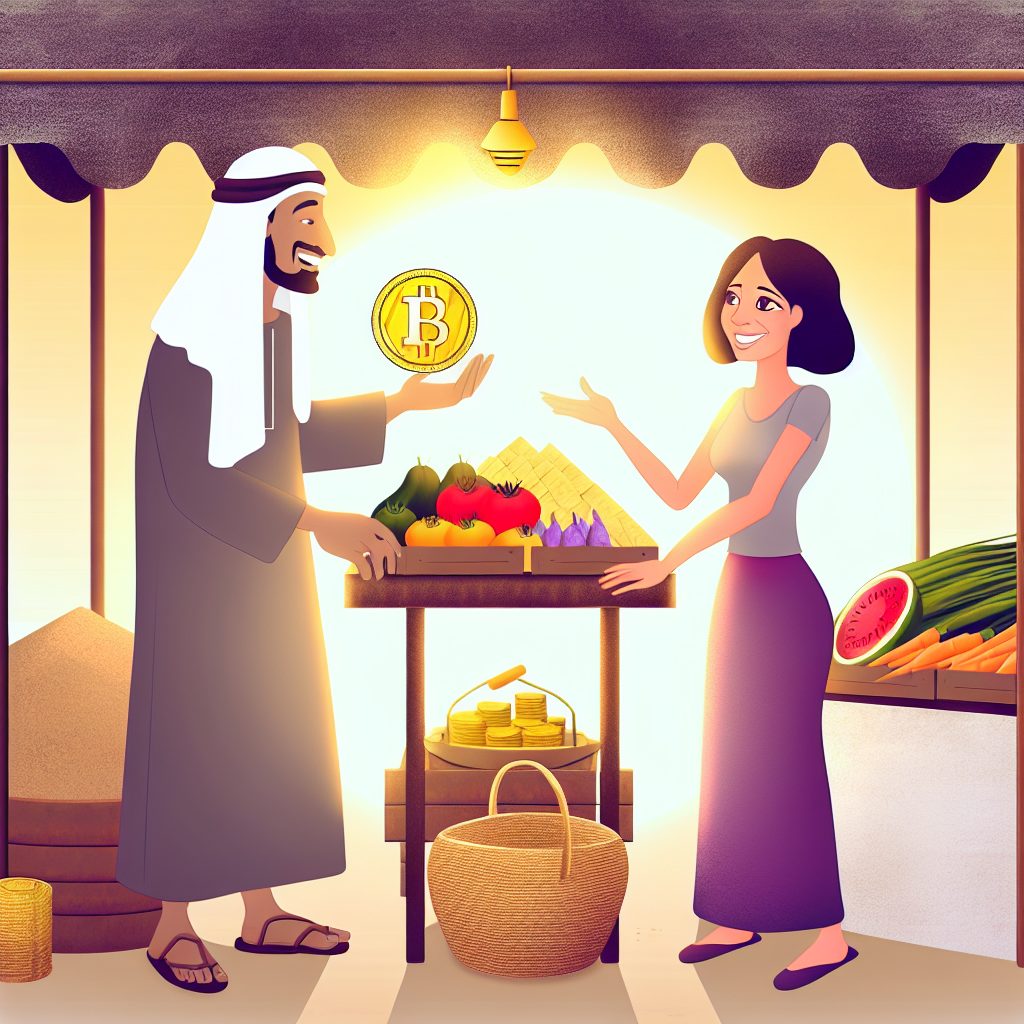
Why Should Egyptian Street Vendors Consider Cryptocurrency?
Street vendors in Egypt face unique challenges, including limited access to banking services, high transaction fees, and currency fluctuations. Here are several reasons why adopting cryptocurrency can be beneficial:
- Lower Transaction Fees: Traditional payment methods often involve high fees, especially for small transactions. Cryptocurrencies typically have lower fees, allowing vendors to keep more of their earnings.
- Access to a Global Market: By accepting cryptocurrency, vendors can reach customers beyond their local area, including tourists and expatriates who prefer digital payments.
- Protection Against Inflation: Cryptocurrencies can serve as a hedge against inflation, which is particularly relevant in Egypt, where the local currency has experienced significant fluctuations.
- Enhanced Security: Cryptocurrency transactions are secure and can reduce the risk of theft associated with carrying cash.
Popular Cryptocurrencies for Street Vendors
While there are thousands of cryptocurrencies available, some are more suitable for street vendors due to their popularity and ease of use:
- Bitcoin (BTC): The first and most widely recognized cryptocurrency, Bitcoin is accepted by many merchants worldwide.
- Ethereum (ETH): Known for its smart contract functionality, Ethereum is gaining traction among businesses for its versatility.
- Litecoin (LTC): Often referred to as the silver to Bitcoin’s gold, Litecoin offers faster transaction times and lower fees.
- USDT (Tether): A stablecoin pegged to the US dollar, USDT provides stability in value, making it a good option for vendors concerned about volatility.
How to Get Started with Cryptocurrency
For street vendors in Egypt, getting started with cryptocurrency involves several steps:
1. Educate Yourself
Understanding the basics of cryptocurrency is crucial. Numerous online resources, including articles, videos, and forums, can provide valuable insights. Websites like CoinDesk and CoinTelegraph offer up-to-date news and educational content.
2. Choose a Cryptocurrency Wallet
A cryptocurrency wallet is essential for storing and managing your digital assets. There are several types of wallets:
- Hot Wallets: These are online wallets that are easy to access but may be less secure.
- Cold Wallets: Offline wallets that provide enhanced security but are less convenient for daily transactions.
Popular wallet options include Coinbase Wallet and Exodus Wallet.
3. Buy Cryptocurrency
Once you have a wallet, you can purchase cryptocurrency through exchanges or peer-to-peer platforms. Some popular exchanges include:
For peer-to-peer transactions, platforms like LocalBitcoins and Paxful can be useful.
4. Accepting Payments
To accept cryptocurrency payments, vendors can use QR codes linked to their wallets. This method is simple and allows customers to pay quickly. Various payment processors, such as CoinPayments and BitPay, can facilitate this process.
5. Keep Track of Transactions
Maintaining accurate records of your cryptocurrency transactions is essential for accounting and tax purposes. Many wallets and payment processors offer built-in tracking features.
Challenges and Considerations
While the benefits of cryptocurrency are significant, there are challenges that street vendors should consider:
- Volatility: The value of cryptocurrencies can fluctuate dramatically, which may affect pricing strategies.
- Regulatory Issues: The legal status of cryptocurrency in Egypt is still evolving. Vendors should stay informed about local regulations to ensure compliance.
- Technical Knowledge: A basic understanding of how to use wallets and conduct transactions is necessary to avoid mistakes.
Case Studies: Successful Implementation of Crypto by Street Vendors
Several street vendors around the world have successfully integrated cryptocurrency into their businesses. Here are a few examples:
1. Food Vendors in Venezuela
In Venezuela, where hyperinflation has rendered the local currency nearly worthless, food vendors have turned to Bitcoin and other cryptocurrencies to conduct transactions. This shift has allowed them to maintain stable pricing and attract customers who prefer digital payments.
2. Artisans in Africa
Artisans in various African countries have started accepting cryptocurrencies to reach international customers. By using platforms that facilitate crypto payments, they can sell their crafts to a global audience without the high fees associated with traditional payment methods.
Frequently Asked Questions (FAQs)
What is the best cryptocurrency for beginners?
Bitcoin is often recommended for beginners due to its widespread acceptance and established reputation. However, stablecoins like USDT can also be a good starting point for those concerned about volatility.
How can I convert cryptocurrency to cash?
Cryptocurrency can be converted to cash through exchanges or peer-to-peer platforms. Vendors can sell their crypto for local currency and withdraw it to their bank accounts.
Are there any risks associated with using cryptocurrency?
Yes, risks include market volatility, regulatory changes, and potential security issues. It’s essential to stay informed and take necessary precautions, such as using secure wallets.
How do I ensure the security of my cryptocurrency?
To secure your cryptocurrency, use strong passwords, enable two-factor authentication, and consider using a cold wallet for long-term storage.
Conclusion
Cryptocurrency presents a unique opportunity for Egyptian street vendors to enhance their businesses, reduce transaction costs, and reach a broader customer base. By understanding the basics of cryptocurrency, choosing the right tools, and staying informed about market trends, vendors can successfully navigate this digital landscape.
For more insights and updates on cryptocurrency, visit Bitrabo, a trusted community for crypto news, airdrops, and new listings alerts. Follow us on X, Instagram, Threads, Facebook, and LinkedIn for the latest updates.
Disclaimer: This article is for informational purposes only and does not constitute financial advice. Always conduct your own research before making any investment decisions.