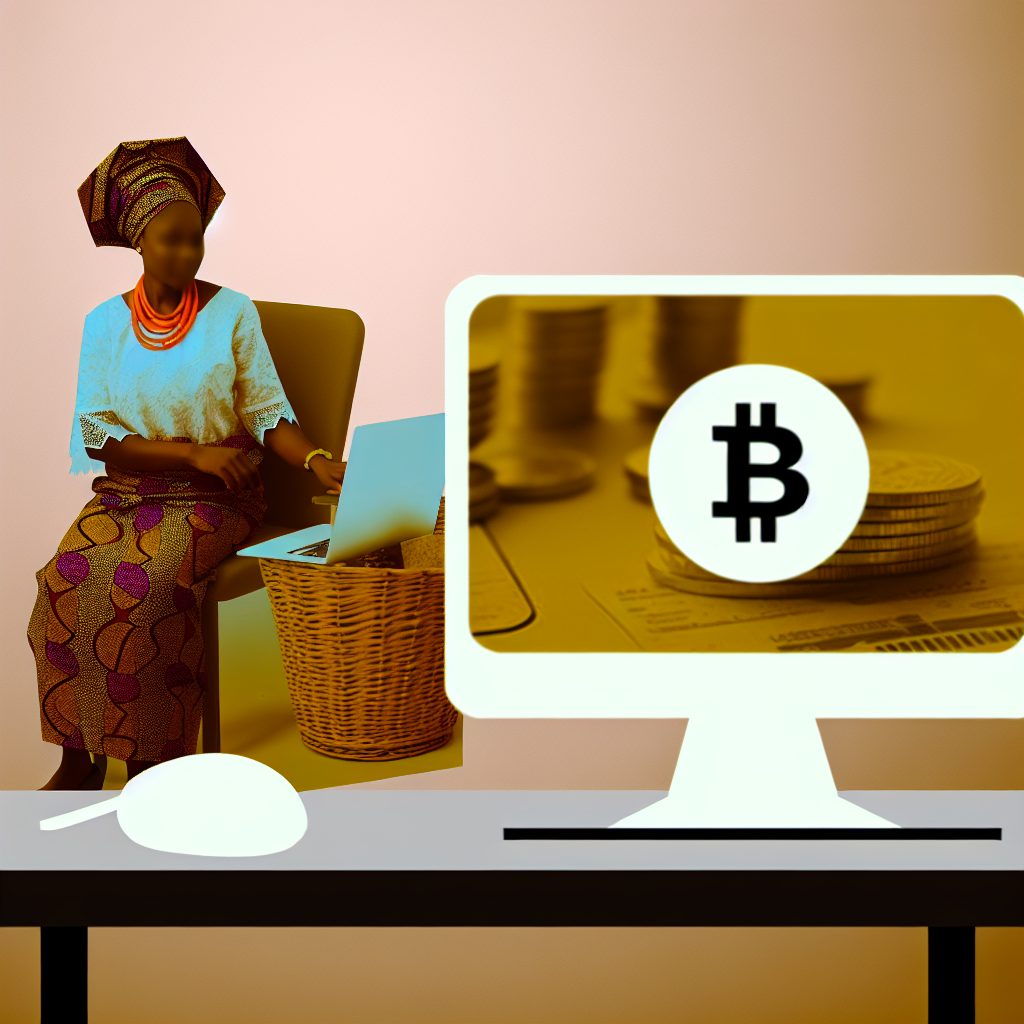
As the world embraces digital currencies, Nigeria stands at the forefront of the cryptocurrency revolution in Africa. For working mothers in Nigeria, the potential of cryptocurrency offers not just an investment opportunity but also a means to achieve financial independence and security. This guide aims to provide a thorough understanding of how working mothers can navigate the crypto landscape effectively.
Understanding Cryptocurrency
Cryptocurrency is a form of digital or virtual currency that uses cryptography for security. Unlike traditional currencies issued by governments, cryptocurrencies operate on decentralized networks based on blockchain technology. This decentralization means that transactions can occur without the need for intermediaries like banks, making it a revolutionary financial tool.
The Rise of Cryptocurrency in Nigeria
Nigeria has emerged as one of the leading countries in cryptocurrency adoption. According to a report by Statista, over 30% of Nigerians have engaged in cryptocurrency trading. This surge can be attributed to several factors:
- Economic Instability: With inflation rates soaring, many Nigerians are seeking alternative investment avenues.
- Remittances: Cryptocurrencies provide a cost-effective way to send and receive money across borders.
- Technological Adoption: A young, tech-savvy population is eager to explore new financial technologies.
Why Cryptocurrency Matters for Working Mothers
For working mothers in Nigeria, cryptocurrency can serve multiple purposes:
- Financial Independence: Investing in cryptocurrencies can provide an additional income stream, helping mothers achieve financial stability.
- Flexibility: Crypto trading can be done at any time, allowing mothers to manage their investments around their busy schedules.
- Community Support: The crypto community is often supportive and collaborative, providing resources and networks for women in finance.
Getting Started with Cryptocurrency
For those new to the crypto space, here’s a step-by-step guide to getting started:
1. Educate Yourself
Before diving into investments, it’s crucial to understand the basics of cryptocurrency. Resources like CoinDesk and CoinTelegraph offer valuable insights and news updates.
2. Choose a Reliable Exchange
Selecting a trustworthy cryptocurrency exchange is vital. Popular exchanges in Nigeria include:
- Binance: Offers a wide range of cryptocurrencies and trading pairs.
- Quidax: A local exchange that supports Naira deposits and withdrawals.
- Luno: User-friendly interface, ideal for beginners.
3. Set Up a Wallet
A cryptocurrency wallet is essential for storing your digital assets securely. There are different types of wallets:
- Hot Wallets: Online wallets that are convenient but less secure.
- Cold Wallets: Offline wallets that provide enhanced security for long-term storage.
4. Start Small
As a beginner, it’s wise to start with a small investment. This approach allows you to learn the ropes without risking significant capital.
5. Stay Informed
The crypto market is highly volatile. Regularly following news and trends can help you make informed decisions. Platforms like Bitrabo provide updates on market trends, airdrops, and new listings.
Investment Strategies for Working Mothers
Once you’re familiar with the basics, consider these investment strategies:
1. Dollar-Cost Averaging
This strategy involves investing a fixed amount of money at regular intervals, regardless of the price. This approach can reduce the impact of volatility and lower the average cost of your investments.
2. Diversification
Don’t put all your eggs in one basket. Diversifying your portfolio by investing in different cryptocurrencies can mitigate risks. Consider a mix of established coins like Bitcoin and Ethereum, along with promising altcoins.
3. Long-Term Holding
Many successful investors adopt a long-term holding strategy, believing that the value of cryptocurrencies will increase over time. This approach requires patience and a strong belief in the technology.
4. Active Trading
If you have the time and expertise, active trading can be lucrative. This involves buying and selling cryptocurrencies based on market trends. However, it requires a good understanding of technical analysis and market indicators.
Challenges Faced by Working Mothers in Crypto
While the opportunities are vast, working mothers may face specific challenges in the crypto space:
- Time Constraints: Balancing work, family, and crypto investments can be challenging.
- Lack of Resources: Access to educational resources and mentorship can be limited.
- Market Volatility: The unpredictable nature of the crypto market can be daunting.
Overcoming Challenges
Here are some strategies to overcome these challenges:
1. Time Management
Set aside specific times for crypto research and trading. Utilizing tools like calendar reminders can help you stay organized.
2. Join Supportive Communities
Engaging with online communities can provide valuable insights and support. Platforms like Reddit and Facebook Groups dedicated to women in crypto can be beneficial.
3. Continuous Learning
Invest in your education by attending webinars, workshops, and online courses. Websites like Udemy offer courses on cryptocurrency trading and investment.
Legal and Regulatory Considerations
Understanding the legal landscape surrounding cryptocurrency in Nigeria is crucial. The Central Bank of Nigeria (CBN) has issued guidelines regarding cryptocurrency transactions. Here are some key points:
- Regulatory Framework: The CBN has not recognized cryptocurrencies as legal tender, but trading is still permitted.
- Tax Implications: Cryptocurrency gains may be subject to taxation, so it’s essential to keep accurate records of your transactions.
- Security Measures: Always use secure platforms and wallets to protect your investments from fraud and hacking.
Future of Cryptocurrency in Nigeria
The future of cryptocurrency in Nigeria looks promising. With increasing adoption and technological advancements, working mothers can expect more opportunities in the crypto space. Here are some trends to watch:
- Increased Regulation: As the market matures, more regulations may emerge, providing a safer environment for investors.
- Integration with Traditional Finance: More banks may start offering crypto services, making it easier for individuals to access digital currencies.
- Growth of Decentralized Finance (DeFi): DeFi platforms are gaining traction, offering innovative financial services without intermediaries.
FAQs
1. Is cryptocurrency safe for investment?
While cryptocurrencies can be volatile, investing in reputable coins and using secure wallets can mitigate risks. Always do thorough research before investing.
2. How can I start trading cryptocurrencies?
Begin by choosing a reliable exchange, setting up a wallet, and educating yourself about market trends. Start with small investments to gain experience.
3. What are the tax implications of cryptocurrency in Nigeria?
Gains from cryptocurrency trading may be subject to taxation. It’s advisable to keep detailed records of your transactions for tax purposes.
4. Can I invest in cryptocurrency with a limited budget?
Yes, many exchanges allow you to buy fractional amounts of cryptocurrencies, making it accessible for those with limited budgets.
5. How can I stay updated on cryptocurrency news?
Follow trusted crypto news platforms like Bitrabo, CoinDesk, and CoinTelegraph for the latest updates and insights.
Conclusion
Cryptocurrency presents a unique opportunity for working mothers in Nigeria to achieve financial independence and security. By understanding the basics, developing effective investment strategies, and staying informed, mothers can navigate the crypto landscape successfully. As the market continues to evolve, embracing this digital revolution can lead to a brighter financial future.
For more insights, news, and updates on cryptocurrency, visit Bitrabo. Join our community on social media: follow us on X, Instagram, Threads, Facebook, and LinkedIn.
Disclaimer: This article is for informational purposes only and should not be considered financial advice. Always conduct your own research before making investment decisions.