The cryptocurrency landscape has undergone a remarkable transformation over the past few years, particularly in the realm of Decentralized Finance (DeFi). From the inception of yield farming to the burgeoning interest in real-world assets (RWAs), the evolution of DeFi is reshaping how individuals and institutions interact with financial systems. This comprehensive guide delves into the intricacies of this evolution, exploring the mechanisms, benefits, challenges, and future prospects of DeFi as it transitions from yield farming to RWAs.
Understanding DeFi: A Brief Overview
Decentralized Finance, or DeFi, refers to a financial ecosystem built on blockchain technology that aims to recreate traditional financial systems in a decentralized manner. Unlike conventional finance, which relies on intermediaries like banks and brokers, DeFi leverages smart contracts on blockchain networks to facilitate transactions, lending, borrowing, and trading without the need for centralized control.
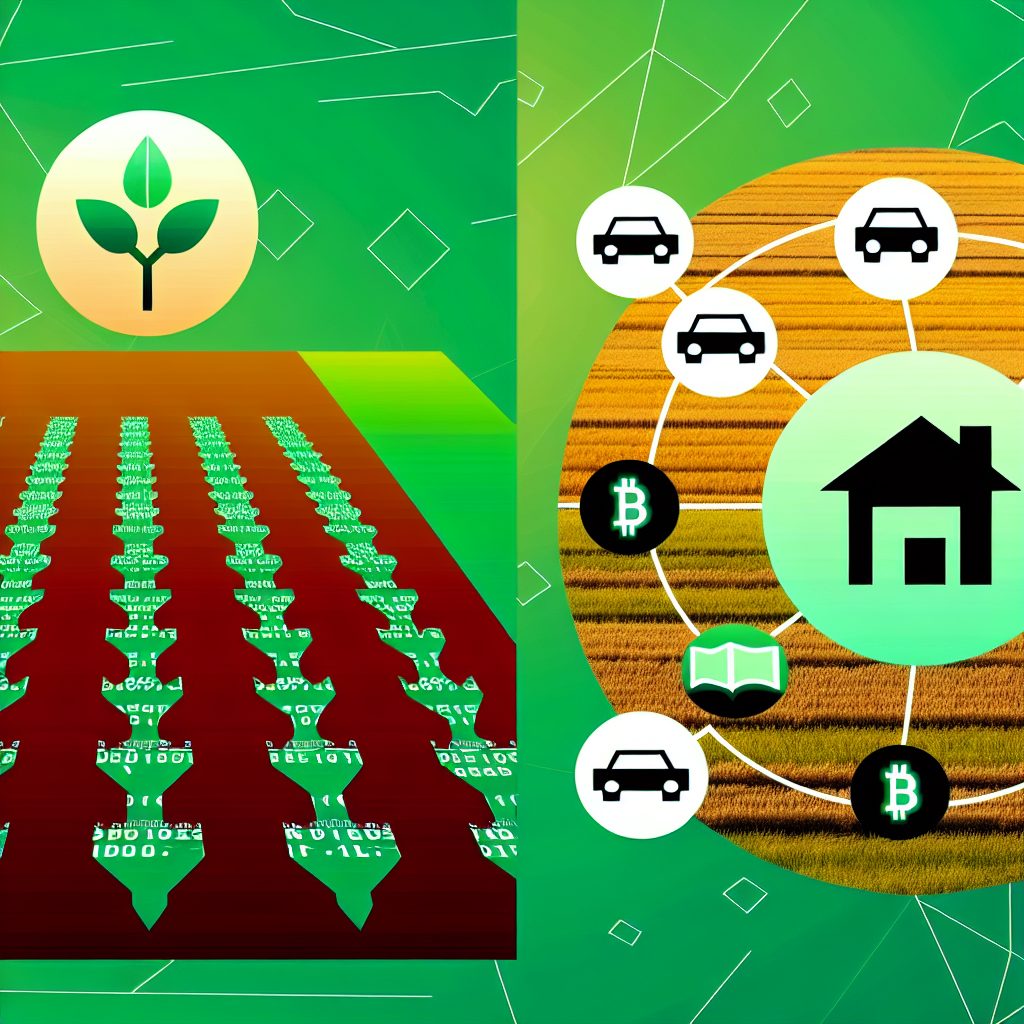
Key components of DeFi include:
- Smart Contracts: Self-executing contracts with the terms of the agreement directly written into code.
- Decentralized Exchanges (DEXs): Platforms that allow users to trade cryptocurrencies directly with one another.
- Lending Protocols: Services that enable users to lend or borrow assets without intermediaries.
- Yield Farming: A practice where users lock up their cryptocurrencies in liquidity pools to earn rewards.
The Rise of Yield Farming
Yield farming emerged as one of the most popular DeFi activities, allowing users to earn returns on their crypto holdings. By providing liquidity to various DeFi protocols, users can earn interest, governance tokens, or other rewards. This practice has attracted both retail and institutional investors, significantly increasing the total value locked (TVL) in DeFi protocols.
How Yield Farming Works
Yield farming typically involves the following steps:
- Choosing a DeFi Protocol: Users select a platform that offers yield farming opportunities, such as Compound, Aave, or Uniswap.
- Providing Liquidity: Users deposit their cryptocurrencies into liquidity pools, which are used to facilitate trading on the platform.
- Receiving Rewards: In return for providing liquidity, users earn rewards, often in the form of the platform’s native tokens.
Benefits of Yield Farming
Yield farming offers several advantages:
- High Returns: Users can earn significantly higher returns compared to traditional savings accounts.
- Token Incentives: Many platforms offer governance tokens as rewards, allowing users to participate in decision-making.
- Liquidity Provision: Yield farmers contribute to the liquidity of the DeFi ecosystem, enhancing overall market efficiency.
Challenges and Risks
Despite its allure, yield farming is not without risks:
- Smart Contract Vulnerabilities: Bugs or exploits in smart contracts can lead to significant losses.
- Impermanent Loss: Users may experience losses when the price of their deposited assets fluctuates.
- Market Volatility: The crypto market is highly volatile, which can impact returns.
The Transition to Real World Assets (RWAs)
As the DeFi space matures, there is a growing interest in integrating real-world assets into the ecosystem. RWAs refer to tangible assets such as real estate, commodities, and even financial instruments that can be tokenized and traded on blockchain platforms.
What Are Real World Assets?
Real-world assets encompass a wide range of physical and financial assets, including:
- Real Estate: Properties that can be tokenized to allow fractional ownership.
- Commodities: Physical goods like gold, oil, and agricultural products.
- Financial Instruments: Stocks, bonds, and other securities that can be represented on the blockchain.
Benefits of Tokenizing RWAs
Tokenizing real-world assets offers several advantages:
- Increased Liquidity: Tokenization allows for fractional ownership, making it easier to buy and sell assets.
- Accessibility: Investors can access a broader range of investment opportunities without high capital requirements.
- Transparency: Blockchain technology provides a transparent and immutable record of ownership and transactions.
Challenges in Tokenizing RWAs
While the potential is significant, there are challenges to overcome:
- Regulatory Hurdles: The legal framework for tokenizing RWAs is still evolving, leading to uncertainty.
- Valuation Issues: Accurately valuing real-world assets for tokenization can be complex.
- Integration with Existing Systems: Bridging traditional finance with DeFi requires significant technological advancements.
Case Studies: Successful RWA Projects
Several projects are leading the way in the tokenization of real-world assets:
1. RealT
RealT is a platform that allows users to invest in real estate properties through tokenization. Each property is represented by a unique token, enabling fractional ownership and providing investors with rental income.
2. Centrifuge
Centrifuge focuses on bringing real-world assets to DeFi by allowing businesses to tokenize invoices and other assets. This enables them to access liquidity from DeFi protocols while providing investors with a new asset class.
3. Harbor
Harbor is a platform that specializes in tokenizing private securities, allowing companies to raise capital through tokenized offerings. This approach enhances liquidity and accessibility for investors.
The Future of DeFi: Yield Farming and RWAs
The future of DeFi lies in the seamless integration of yield farming and real-world assets. As the DeFi ecosystem continues to evolve, several trends are likely to shape its trajectory:
- Increased Regulation: As DeFi gains mainstream attention, regulatory frameworks will likely become more defined, impacting how projects operate.
- Institutional Adoption: More institutional investors are expected to enter the DeFi space, bringing significant capital and expertise.
- Interoperability: Enhanced interoperability between different blockchain networks will facilitate the movement of assets and data.
FAQs
What is yield farming?
Yield farming is a practice in DeFi where users provide liquidity to protocols in exchange for rewards, often in the form of interest or governance tokens.
What are real-world assets?
Real-world assets are tangible or financial assets that can be tokenized and traded on blockchain platforms, such as real estate, commodities, and stocks.
What are the risks associated with yield farming?
Risks include smart contract vulnerabilities, impermanent loss, and market volatility, which can impact returns.
How can I invest in real-world assets through DeFi?
Investing in RWAs through DeFi typically involves using platforms that specialize in tokenization, such as RealT or Centrifuge, where you can purchase tokens representing fractional ownership of the asset.
Conclusion
The evolution of DeFi from yield farming to real-world assets represents a significant shift in how individuals and institutions engage with financial systems. As the landscape continues to mature, the integration of RWAs into DeFi will unlock new opportunities for investors and enhance the overall efficiency of financial markets. Staying informed about these developments is crucial for anyone looking to navigate the dynamic world of cryptocurrency.
For the latest updates on cryptocurrency news, airdrops, and new listings, visit Bitrabo. Follow us on X, Instagram, Threads, Facebook, and LinkedIn for more insights and updates.
Disclaimer: This article is for informational purposes only and should not be considered financial advice. Always conduct your own research before making investment decisions.