The cryptocurrency landscape has evolved significantly over the years, with various platforms vying for dominance in the decentralized application (dApp) space. Among these, Ethereum and Solana have emerged as two of the most prominent ecosystems for developers. As we delve into 2025, it’s essential to analyze the strengths, weaknesses, and overall developer experience within these two ecosystems.
Overview of Ethereum and Solana
Ethereum, launched in 2015, is often regarded as the pioneer of smart contracts and decentralized applications. Its robust ecosystem has attracted a vast number of developers, projects, and users. Ethereum’s transition to a proof-of-stake (PoS) consensus mechanism with Ethereum 2.0 has significantly improved its scalability and energy efficiency.
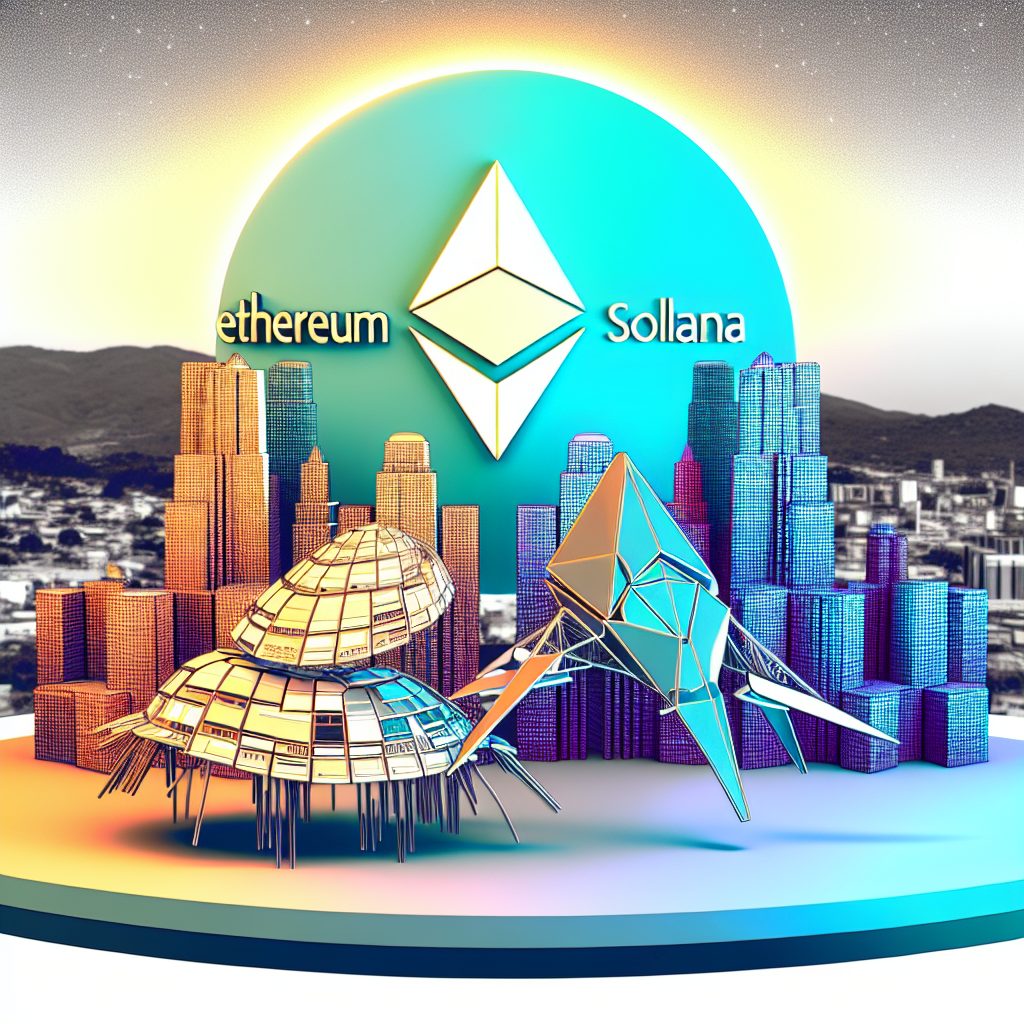
Solana, on the other hand, burst onto the scene in 2020, offering a high-performance blockchain designed for speed and low transaction costs. Its unique consensus mechanism, known as Proof of History (PoH), allows it to process thousands of transactions per second, making it an attractive option for developers looking to build scalable applications.
Developer Ecosystem Comparison
1. Community and Support
The strength of a developer ecosystem often hinges on its community and support structures. Ethereum boasts a large, established community with numerous resources available for developers.
- Documentation: Ethereum provides extensive documentation, tutorials, and guides, making it easier for newcomers to get started.
- Forums and Meetups: Platforms like Ethereum Stack Exchange and various meetups foster collaboration and knowledge sharing.
- Developer Tools: Tools like Truffle, Hardhat, and Remix are widely used for Ethereum development.
In contrast, Solana’s community is rapidly growing, with a focus on innovation and speed. The Solana Foundation actively supports developers through:
- Hackathons: Regular hackathons encourage developers to create new projects and solutions.
- Grants and Funding: The Solana Foundation offers grants to promising projects, helping to stimulate growth.
- Documentation: While still developing, Solana’s documentation is improving, with a focus on user-friendliness.
2. Development Tools and Frameworks
Both Ethereum and Solana offer a variety of tools and frameworks to facilitate development, but they differ in their approach and maturity.
Ethereum Development Tools
Ethereum has a rich ecosystem of development tools:
- Truffle: A popular development framework for Ethereum that simplifies the process of building and deploying smart contracts.
- Hardhat: A flexible development environment that allows for testing, debugging, and deploying Ethereum applications.
- OpenZeppelin: A library of secure smart contracts that developers can use to build their applications.
Solana Development Tools
Solana’s tools are designed for high performance:
- Solana CLI: A command-line interface that allows developers to interact with the Solana blockchain.
- Anchor: A framework for building secure Solana smart contracts, simplifying the development process.
- Solana Web3.js: A JavaScript library that enables developers to interact with the Solana blockchain from web applications.
3. Programming Languages
Programming languages play a crucial role in the developer experience. Ethereum primarily uses Solidity, a language specifically designed for writing smart contracts. Solidity has a syntax similar to JavaScript, making it accessible for many developers.
Solana, however, supports multiple programming languages, including:
- Rust: A systems programming language known for its performance and safety, widely used in Solana development.
- C: A low-level programming language that allows for high-performance applications.
- JavaScript: Through the Solana Web3.js library, developers can use JavaScript to build applications.
4. Scalability and Performance
Scalability is a critical factor for developers when choosing a blockchain platform. Ethereum has made significant strides with its transition to PoS and the implementation of sharding, which aims to improve transaction throughput. However, it still faces challenges with high gas fees during peak usage times.
Solana, in contrast, is designed for scalability from the ground up. Its PoH consensus mechanism allows it to achieve high throughput and low latency, making it suitable for applications requiring fast transaction processing. This performance advantage is a significant draw for developers looking to build high-frequency applications.
5. Ecosystem and Use Cases
The ecosystems of Ethereum and Solana are diverse, with various use cases attracting developers.
Ethereum Ecosystem
Ethereum is home to a wide range of applications, including:
- Decentralized Finance (DeFi): Platforms like Uniswap and Aave have revolutionized finance by enabling users to lend, borrow, and trade without intermediaries.
- Non-Fungible Tokens (NFTs): Ethereum is the leading platform for NFTs, with marketplaces like OpenSea and Rarible.
- Decentralized Autonomous Organizations (DAOs): Ethereum supports the creation of DAOs, allowing communities to govern themselves.
Solana Ecosystem
Solana’s ecosystem is rapidly expanding, with a focus on:
- DeFi: Projects like Serum and Raydium are gaining traction, offering innovative solutions in the DeFi space.
- Gaming: Solana is becoming a popular choice for blockchain gaming, with projects like Star Atlas and Aurory.
- Web3 Applications: Solana’s speed and low costs make it ideal for Web3 applications that require real-time interactions.
Challenges Facing Developers
Ethereum Challenges
Despite its strengths, Ethereum faces several challenges:
- High Gas Fees: During periods of high demand, transaction fees can become prohibitively expensive.
- Scalability Issues: Although improvements are underway, Ethereum still struggles with scalability compared to newer platforms.
- Complexity: The learning curve for Solidity and Ethereum’s ecosystem can be steep for new developers.
Solana Challenges
Solana, while promising, is not without its challenges:
- Network Stability: Solana has experienced outages in the past, raising concerns about its reliability.
- Documentation Gaps: While improving, Solana’s documentation is still not as comprehensive as Ethereum’s.
- Less Established Community: Compared to Ethereum, Solana’s community is still growing, which can limit support and resources.
Future Outlook for Developers
As we look ahead to 2025, both Ethereum and Solana are poised for growth, but their trajectories may differ.
Ethereum’s Future
Ethereum is likely to continue evolving with:
- Layer 2 Solutions: Technologies like Optimistic Rollups and zk-Rollups will help alleviate congestion and reduce fees.
- Increased Adoption: As more enterprises explore blockchain solutions, Ethereum’s established presence may attract further investment.
- Enhanced Developer Tools: Ongoing improvements in development tools will make it easier for developers to build on Ethereum.
Solana’s Future
Solana’s future may be characterized by:
- Continued Performance Improvements: Ongoing optimizations will enhance its speed and efficiency.
- Broader Ecosystem Growth: As more developers flock to Solana, the ecosystem will diversify, leading to innovative applications.
- Increased Institutional Interest: As Solana gains traction, institutional investment may increase, further solidifying its position.
FAQs
1. Which platform is better for new developers, Ethereum or Solana?
It depends on your goals. Ethereum has a more extensive community and resources, making it easier for beginners. Solana offers high performance and lower costs, which may appeal to developers focused on scalability.
2. Are gas fees on Ethereum expected to decrease in the future?
With the implementation of Layer 2 solutions and ongoing upgrades, gas fees on Ethereum are expected to decrease, but fluctuations may still occur during peak times.
3. Can I build NFTs on Solana?
Yes, Solana supports NFT creation and trading, with several marketplaces available for developers and artists.
4. What are the main use cases for Solana?
Solana is popular for DeFi applications, gaming, and Web3 projects due to its high throughput and low transaction costs.
Conclusion
In 2025, both Ethereum and Solana present unique opportunities and challenges for developers. Ethereum’s established ecosystem and extensive resources make it a strong choice for many, while Solana’s performance and scalability attract those looking to build high-frequency applications. As the cryptocurrency landscape continues to evolve, developers must weigh their options carefully, considering factors such as community support, development tools, and specific use cases.
For the latest updates and insights into the cryptocurrency world, including news, airdrops, and new listings, visit Bitrabo. Follow Bitrabo on X, Instagram, Threads, Facebook, and LinkedIn for more insights.
Disclaimer: This article is for informational purposes only and should not be considered financial advice. Always conduct your own research before making investment decisions.