Decentralized Autonomous Organizations (DAOs) have emerged as a revolutionary concept within the cryptocurrency industry, reshaping how organizations operate and make decisions. As we move into 2025, understanding the benefits and challenges of DAO governance is crucial for stakeholders, investors, and enthusiasts alike. This comprehensive guide delves into the intricacies of DAO governance, exploring its potential advantages and the hurdles it faces in the evolving crypto landscape.
What is a DAO?
A Decentralized Autonomous Organization (DAO) is an entity represented by rules encoded as a computer program that is transparent, controlled by organization members and not influenced by a central government. DAOs are designed to be fully autonomous and decentralized, allowing for collective decision-making without the need for traditional management structures.
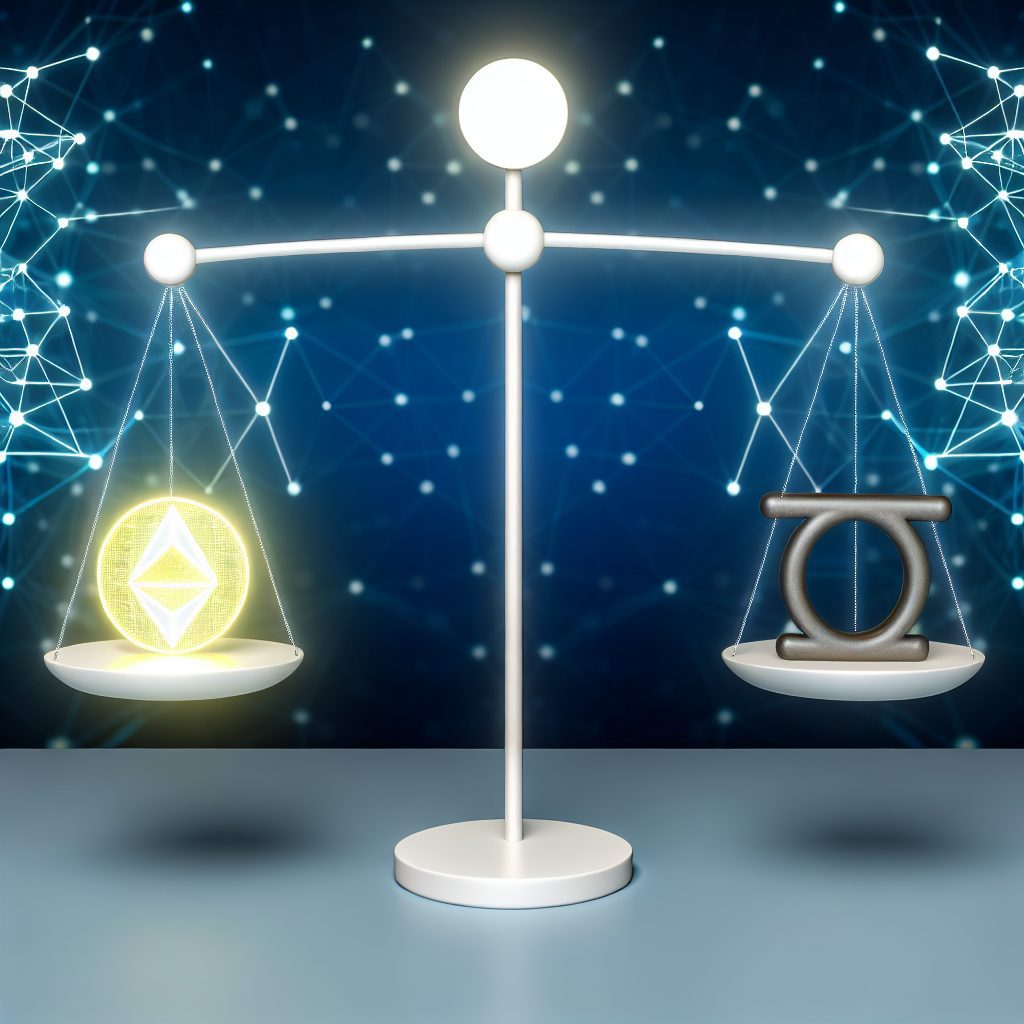
The Evolution of DAO Governance
Since their inception, DAOs have undergone significant transformations. Initially, they were primarily used for funding projects through token sales. However, as the technology and community around DAOs matured, their governance structures evolved to include more sophisticated mechanisms for decision-making, voting, and resource allocation.
Key Milestones in DAO Development
- 2016: The launch of The DAO, which raised over $150 million in Ether but was subsequently hacked, leading to a hard fork in Ethereum.
- 2020: The rise of DeFi (Decentralized Finance) brought new DAOs focused on governance and protocol management.
- 2023: The introduction of Layer 2 solutions improved scalability and reduced transaction costs, making DAO participation more accessible.
Benefits of DAO Governance
DAOs offer numerous advantages that can enhance organizational efficiency and stakeholder engagement. Here are some of the most significant benefits:
1. Decentralization and Transparency
One of the core principles of DAOs is decentralization. This structure eliminates the need for a central authority, distributing power among all members. Transparency is achieved through blockchain technology, where all transactions and decisions are recorded and accessible to everyone.
2. Enhanced Participation and Engagement
DAOs empower members to participate in decision-making processes actively. This inclusivity fosters a sense of community and ownership, encouraging members to contribute their ideas and expertise.
3. Efficient Resource Allocation
With smart contracts, DAOs can automate processes such as fund distribution and project management. This efficiency reduces administrative overhead and allows for quicker responses to changing circumstances.
4. Global Reach
DAOs can operate across borders without the constraints of traditional legal frameworks. This global reach enables diverse participation and collaboration, attracting talent and resources from around the world.
5. Innovation and Experimentation
DAOs provide a platform for innovative ideas and experimental governance models. This flexibility allows organizations to adapt quickly to new challenges and opportunities, fostering a culture of continuous improvement.
Challenges of DAO Governance
Despite their numerous benefits, DAOs face several challenges that can hinder their effectiveness and adoption. Understanding these challenges is essential for anyone involved in the crypto space.
1. Legal and Regulatory Uncertainty
The legal status of DAOs remains ambiguous in many jurisdictions. This uncertainty can create challenges for compliance, taxation, and liability, potentially deterring participation from traditional investors and institutions.
2. Security Risks
While blockchain technology is generally secure, DAOs are not immune to vulnerabilities. Smart contract bugs and exploits can lead to significant financial losses, as seen in past incidents. Continuous audits and security measures are essential to mitigate these risks.
3. Governance Token Dynamics
Governance tokens are often used to facilitate decision-making within DAOs. However, the distribution and ownership of these tokens can lead to centralization of power among a small group of holders, undermining the democratic principles of DAOs.
4. Voter Apathy
Low participation rates in governance votes can hinder the effectiveness of DAOs. Many members may lack the time or interest to engage actively, leading to decisions being made by a small, unrepresentative group.
5. Complexity of Decision-Making
As DAOs grow, the complexity of governance can increase. Balancing diverse opinions and interests can lead to gridlock, making it challenging to reach consensus on important issues.
Future Trends in DAO Governance
As we look ahead, several trends are likely to shape the future of DAO governance:
1. Hybrid Governance Models
Future DAOs may adopt hybrid governance models that combine decentralized decision-making with elements of traditional management structures. This approach could help balance efficiency and inclusivity.
2. Improved User Interfaces
As DAOs become more mainstream, user-friendly interfaces will be essential for attracting a broader audience. Simplifying the voting and participation processes can enhance engagement and reduce barriers to entry.
3. Integration with Traditional Finance
As regulatory frameworks evolve, we may see greater integration between DAOs and traditional financial systems. This could open up new avenues for funding and collaboration, bridging the gap between crypto and traditional finance.
4. Enhanced Security Protocols
With the increasing focus on security, DAOs will likely adopt more robust security measures, including regular audits, bug bounties, and insurance mechanisms to protect against potential exploits.
5. Focus on Sustainability
As environmental concerns grow, DAOs may prioritize sustainability in their operations and decision-making processes. This focus could lead to innovative solutions that align with global sustainability goals.
Case Studies of Successful DAOs
Examining successful DAOs can provide valuable insights into effective governance practices. Here are a few notable examples:
1. MakerDAO
MakerDAO is a decentralized lending platform that allows users to borrow against their crypto assets. Its governance model enables MKR token holders to vote on key decisions, such as risk parameters and collateral types. MakerDAO has successfully navigated challenges by implementing a robust risk management framework.
2. Aragon
Aragon provides tools for creating and managing DAOs. Its governance model emphasizes flexibility, allowing organizations to customize their governance structures. Aragon has successfully facilitated the creation of numerous DAOs across various sectors.
3. Gitcoin
Gitcoin is a platform that connects developers with funding opportunities for open-source projects. Its DAO governance model allows community members to vote on grant allocations, fostering a collaborative environment for innovation.
FAQs about DAO Governance
What is the primary purpose of a DAO?
The primary purpose of a DAO is to enable decentralized decision-making and governance, allowing members to collectively manage resources and make decisions without a central authority.
How do DAOs ensure transparency?
DAOs ensure transparency through blockchain technology, where all transactions and governance decisions are recorded on a public ledger, accessible to all members.
What are governance tokens?
Governance tokens are digital assets that grant holders the right to participate in the decision-making processes of a DAO, such as voting on proposals and changes to the organization.
What challenges do DAOs face in terms of security?
DAOs face security challenges related to smart contract vulnerabilities, potential exploits, and the need for continuous audits to ensure the integrity of their operations.
How can DAOs improve member participation?
DAOs can improve member participation by simplifying the voting process, providing educational resources, and incentivizing engagement through rewards or recognition.
Conclusion
The future of DAO governance holds immense potential for transforming how organizations operate within the cryptocurrency industry. While the benefits of decentralization, transparency, and community engagement are significant, the challenges of legal uncertainty, security risks, and governance dynamics must be addressed to ensure sustainable growth.
As we move forward, the evolution of DAO governance will likely lead to innovative solutions that enhance participation and efficiency. Stakeholders must remain vigilant and proactive in navigating the complexities of this new paradigm.
For the latest updates on DAOs, cryptocurrency news, and community insights, visit Bitrabo. Follow us on X, Instagram, Threads, Facebook, and LinkedIn for more insights and updates.
Disclaimer: This article is for informational purposes only and does not constitute financial advice. Always conduct your own research before making investment decisions.