How Blockchain Could Reshape Algeria’s Economy
Algeria, a country rich in natural resources and cultural heritage, stands at a crossroads in its economic development. The advent of blockchain technology and the cryptocurrency industry presents a unique opportunity for Algeria to diversify its economy, enhance transparency, and foster innovation. This article delves into how blockchain could reshape Algeria’s economy, focusing on the cryptocurrency sector and its potential implications for various industries.
The Current Economic Landscape in Algeria
Algeria’s economy has traditionally relied on hydrocarbons, with oil and gas accounting for a significant portion of its GDP and export revenues. However, fluctuations in global oil prices have exposed the vulnerabilities of this dependency. The government has recognized the need for economic diversification and is exploring various avenues to stimulate growth.
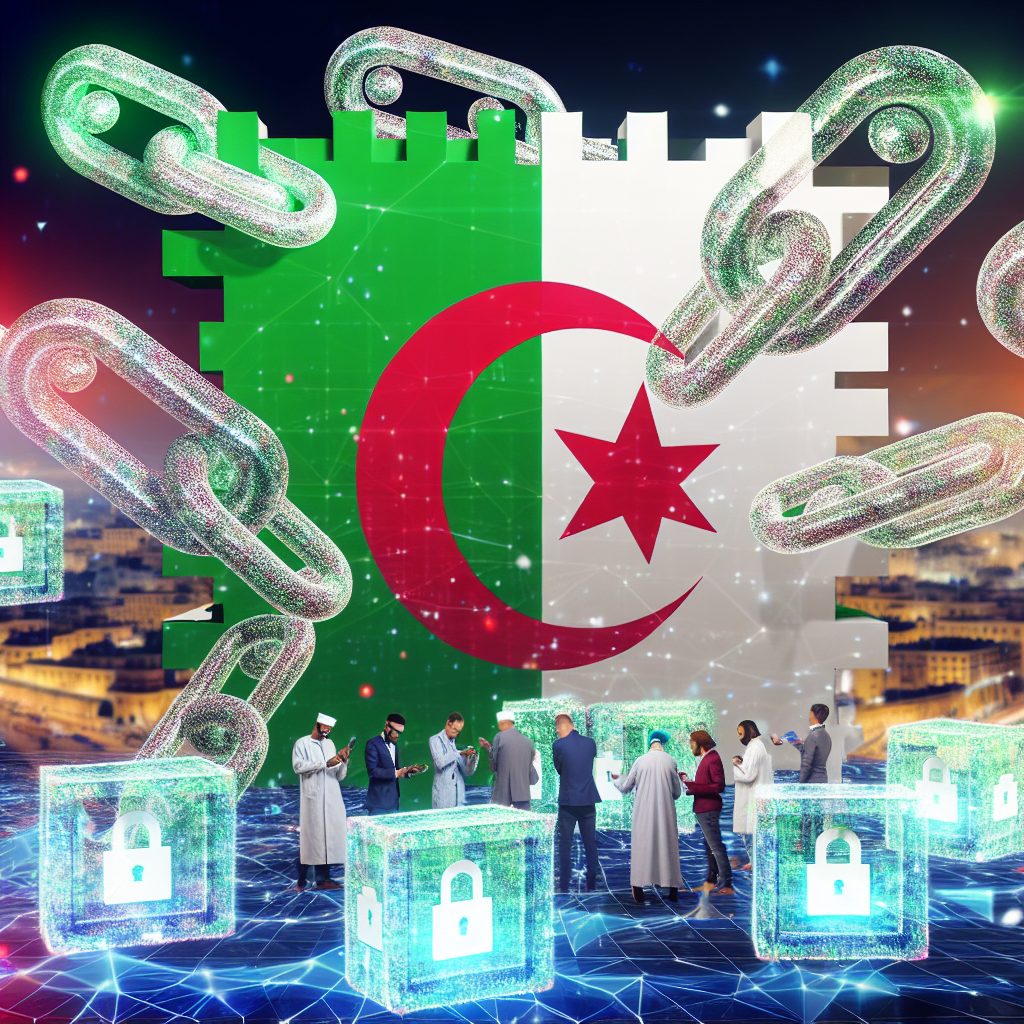
In recent years, Algeria has made strides in digital transformation, yet the adoption of blockchain technology remains in its infancy. The potential for blockchain to revolutionize sectors such as finance, supply chain, and public services is immense, and the cryptocurrency industry could play a pivotal role in this transformation.
Understanding Blockchain and Cryptocurrency
Blockchain is a decentralized digital ledger technology that records transactions across multiple computers. This ensures that the data is secure, transparent, and immutable. Cryptocurrency, on the other hand, is a digital or virtual currency that uses cryptography for security and operates on blockchain technology.
Some of the most well-known cryptocurrencies include:
- Bitcoin (BTC) – The first and most recognized cryptocurrency.
- Ethereum (ETH) – Known for its smart contract functionality.
- Ripple (XRP) – Focused on facilitating cross-border payments.
- Litecoin (LTC) – Designed for faster transactions than Bitcoin.
The rise of cryptocurrencies has led to the emergence of various applications and use cases, making it a significant area of interest for investors and governments alike.
Potential Benefits of Blockchain for Algeria
Implementing blockchain technology in Algeria could yield numerous benefits, including:
- Increased Transparency: Blockchain’s immutable nature can enhance transparency in government transactions, reducing corruption and fostering trust among citizens.
- Financial Inclusion: Cryptocurrencies can provide access to financial services for the unbanked population, enabling them to participate in the economy.
- Enhanced Security: Blockchain technology offers robust security features that can protect sensitive data from cyber threats.
- Streamlined Processes: Smart contracts can automate and streamline various processes, reducing the need for intermediaries and lowering costs.
Cryptocurrency Adoption in Algeria
The adoption of cryptocurrency in Algeria has been met with mixed reactions. While the government has historically taken a cautious stance towards cryptocurrencies, the growing global acceptance and potential economic benefits are prompting a reevaluation.
In 2021, the Algerian government reiterated its ban on cryptocurrencies, citing concerns over fraud and money laundering. However, the increasing interest from the public and the potential for economic growth may lead to a more favorable regulatory environment in the future.
Case Studies: Countries Leveraging Blockchain
Several countries have successfully integrated blockchain technology into their economies, providing valuable lessons for Algeria:
- Estonia: Known for its e-Residency program, Estonia uses blockchain to secure digital identities and streamline government services.
- Switzerland: The country has become a hub for cryptocurrency and blockchain startups, fostering innovation through supportive regulations.
- United Arab Emirates: The UAE has implemented blockchain in various sectors, including real estate and finance, to enhance efficiency and transparency.
These examples illustrate how blockchain can be harnessed to drive economic growth and improve public services, offering a roadmap for Algeria’s potential adoption.
Challenges to Blockchain Implementation in Algeria
Despite the promising prospects, several challenges must be addressed for successful blockchain implementation in Algeria:
- Regulatory Uncertainty: A clear regulatory framework is essential to foster innovation while ensuring consumer protection.
- Lack of Awareness: Educating the public and businesses about blockchain technology and its benefits is crucial for widespread adoption.
- Infrastructure Limitations: Developing the necessary technological infrastructure to support blockchain applications is vital.
The Role of Education and Awareness
To fully leverage the potential of blockchain and cryptocurrency, Algeria must invest in education and awareness initiatives. This includes:
- University Programs: Introducing blockchain and cryptocurrency courses in universities to equip the next generation with the necessary skills.
- Workshops and Seminars: Organizing events to educate businesses and the public about the benefits and risks of blockchain technology.
- Partnerships with Tech Companies: Collaborating with established blockchain firms to facilitate knowledge transfer and innovation.
Future Prospects: Blockchain and Economic Diversification
As Algeria seeks to diversify its economy, blockchain technology could play a crucial role in various sectors:
1. Agriculture
Blockchain can enhance traceability in the agricultural supply chain, ensuring that products are sourced sustainably and ethically. This can improve market access for local farmers and boost exports.
2. Energy
With Algeria’s vast energy resources, blockchain can facilitate peer-to-peer energy trading, allowing consumers to buy and sell energy directly, thus promoting renewable energy sources.
3. Tourism
Blockchain can streamline the tourism sector by providing secure and transparent booking systems, enhancing the overall visitor experience and boosting the economy.
4. Public Services
Implementing blockchain in public services can improve efficiency and transparency, reducing bureaucratic hurdles and enhancing citizen engagement.
FAQs about Blockchain and Cryptocurrency in Algeria
What is the current legal status of cryptocurrency in Algeria?
The Algerian government has banned the use of cryptocurrencies, citing concerns over fraud and money laundering. However, there is growing interest in reevaluating this stance.
How can blockchain improve transparency in government transactions?
Blockchain’s immutable ledger allows for real-time tracking of transactions, making it difficult to alter records without detection, thus enhancing accountability.
What are the risks associated with cryptocurrency investments?
Investing in cryptocurrencies carries risks such as market volatility, regulatory changes, and potential security breaches. Investors should conduct thorough research before investing.
How can individuals get involved in the cryptocurrency space in Algeria?
Individuals can start by educating themselves about cryptocurrencies, participating in online forums, and exploring peer-to-peer trading platforms that comply with local regulations.
Conclusion
Blockchain technology holds the potential to significantly reshape Algeria’s economy by fostering innovation, enhancing transparency, and promoting financial inclusion. While challenges remain, the successful implementation of blockchain and cryptocurrency could pave the way for a more diversified and resilient economic future. By investing in education, infrastructure, and regulatory frameworks, Algeria can harness the power of blockchain to drive sustainable growth and improve the quality of life for its citizens.