The cryptocurrency landscape in Morocco has been shaped by a complex interplay of innovation and regulation. As of 2025, the Moroccan government has maintained a strict stance against cryptocurrencies, leading many individuals to seek ways to operate outside the purview of authorities. This guide delves into the various methods Moroccans employ to conceal their cryptocurrency activities, providing insights into the local crypto culture and the implications of these practices.
Understanding the Regulatory Environment
Morocco’s approach to cryptocurrency has been characterized by a series of prohibitions and warnings from the government. The Bank Al-Maghrib, Morocco’s central bank, has issued multiple statements declaring cryptocurrencies illegal. This regulatory framework has created a climate of fear and uncertainty, prompting many to explore ways to engage with cryptocurrencies discreetly.
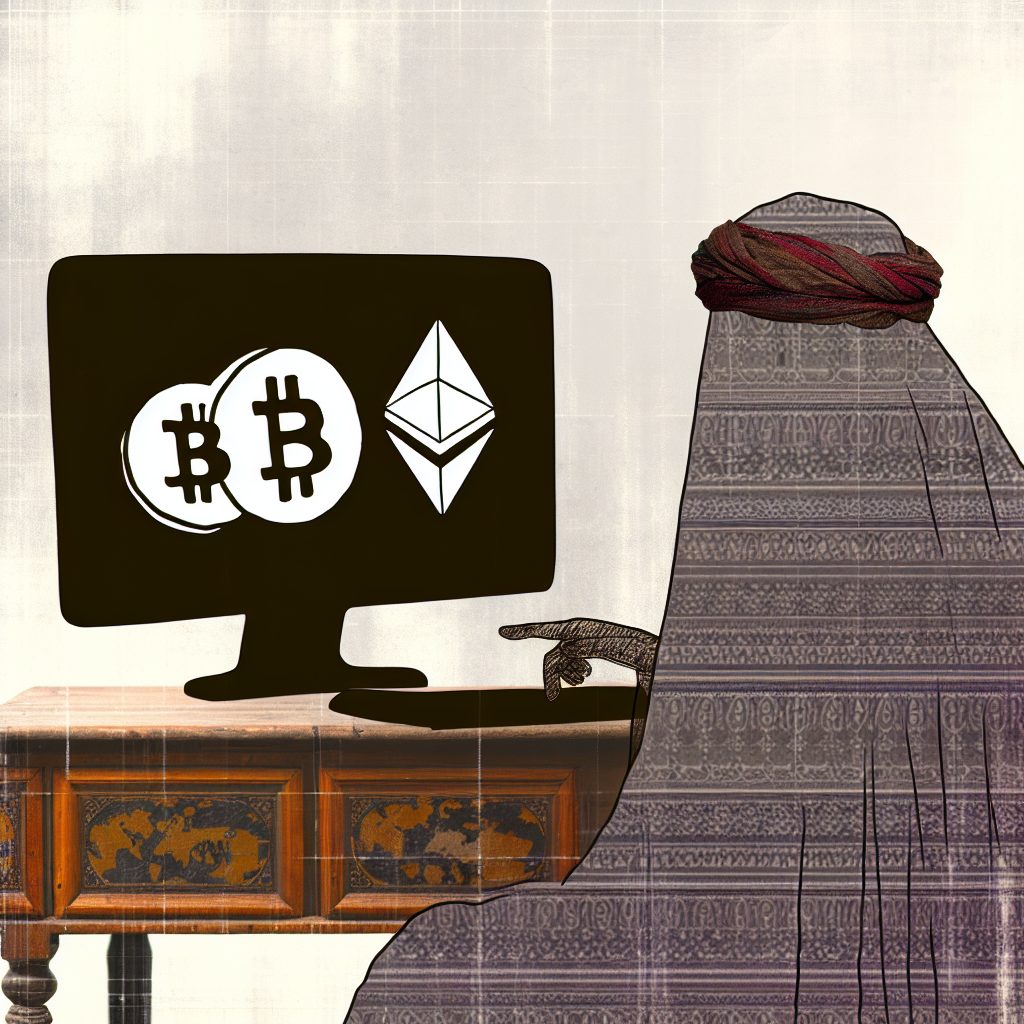
Why Moroccans Choose to Hide Crypto
Several factors contribute to the decision of many Moroccans to hide their cryptocurrency activities:
- Legal Risks: Engaging in cryptocurrency trading can lead to legal repercussions, including fines and imprisonment.
- Financial Privacy: Many individuals value the privacy that cryptocurrencies offer, especially in a country where financial surveillance is prevalent.
- Access to Global Markets: By operating outside the legal framework, Moroccans can access international cryptocurrency markets and opportunities.
Methods of Concealing Cryptocurrency Activities
1. Peer-to-Peer (P2P) Trading
Peer-to-peer trading platforms have become a popular method for Moroccans to buy and sell cryptocurrencies without the need for centralized exchanges. These platforms allow users to connect directly with one another, facilitating transactions that can be conducted in cash or through other means that do not leave a digital footprint.
Some popular P2P platforms include:
- Paxful: A widely used platform that offers various payment methods, including cash and gift cards.
- Binance P2P: A feature of the Binance exchange that allows users to trade directly with one another.
2. Use of VPNs and Tor
To enhance privacy and security, many Moroccans utilize Virtual Private Networks (VPNs) and the Tor network. These tools help mask users’ IP addresses, making it difficult for authorities to track their online activities.
VPNs encrypt internet traffic, while Tor routes connections through multiple servers, providing an additional layer of anonymity. This combination allows users to access cryptocurrency exchanges and platforms that may be restricted in Morocco.
3. Anonymous Wallets
Using anonymous wallets is another strategy employed by Moroccans to hide their cryptocurrency holdings. Wallets that do not require personal information for setup, such as Electrum or Exodus, allow users to store their assets without revealing their identities.
Additionally, hardware wallets like Trezor and Ledger provide a secure way to store cryptocurrencies offline, further reducing the risk of exposure.
4. Cash Transactions
Many Moroccans prefer to conduct cryptocurrency transactions in cash. This method eliminates the need for bank transfers or credit card payments, which can be traced back to individuals. Cash transactions can occur in person or through informal networks, allowing for greater privacy.
5. Utilizing Decentralized Exchanges (DEXs)
Decentralized exchanges have gained traction as a means for Moroccans to trade cryptocurrencies without the oversight of centralized authorities. DEXs operate on blockchain technology, allowing users to trade directly with one another without the need for an intermediary.
Some popular DEXs include:
- Uniswap: A leading DEX that allows users to swap various tokens directly.
- Curve Finance: Focused on stablecoin trading, providing low slippage and high liquidity.
The Risks Involved
While these methods provide avenues for Moroccans to engage with cryptocurrencies, they are not without risks. The legal implications of operating outside the law can lead to severe consequences, including:
- Legal Action: Authorities may impose fines or imprisonment for engaging in illegal cryptocurrency activities.
- Scams and Fraud: The lack of regulation increases the risk of falling victim to scams, especially in P2P transactions.
- Loss of Funds: Using unregulated platforms or wallets can lead to loss of access to funds due to hacks or platform failures.
Community and Support Networks
Despite the risks, a vibrant community of cryptocurrency enthusiasts exists in Morocco. Online forums, social media groups, and local meetups provide platforms for individuals to share knowledge, strategies, and support. These communities often emphasize the importance of security and privacy, helping members navigate the complexities of the crypto landscape.
Future Outlook for Cryptocurrency in Morocco
The future of cryptocurrency in Morocco remains uncertain. While the government has taken a hardline stance, the global trend towards acceptance and regulation of cryptocurrencies may influence local policies. As more individuals become aware of the benefits of cryptocurrencies, there may be a push for a more favorable regulatory environment.
In the meantime, Moroccans will likely continue to find innovative ways to engage with cryptocurrencies while navigating the challenges posed by the current legal framework.
FAQs
1. Is cryptocurrency legal in Morocco?
No, as of 2025, the Moroccan government has declared cryptocurrencies illegal, leading to a strict regulatory environment.
2. What are the risks of hiding cryptocurrency activities?
Risks include legal repercussions, exposure to scams, and potential loss of funds due to unregulated platforms.
3. How can I trade cryptocurrencies anonymously in Morocco?
Using P2P platforms, VPNs, anonymous wallets, and cash transactions are common methods for trading cryptocurrencies discreetly.
4. Are there any communities for cryptocurrency enthusiasts in Morocco?
Yes, there are various online forums and social media groups where Moroccans share knowledge and support each other in cryptocurrency activities.
5. What is the future of cryptocurrency in Morocco?
The future remains uncertain, but there may be a shift towards more favorable regulations as global acceptance of cryptocurrencies grows.
Conclusion
Moroccans have developed a range of strategies to navigate the challenges posed by the country’s strict regulations on cryptocurrency. From utilizing P2P trading platforms to employing advanced privacy tools, individuals are finding ways to engage with the crypto market while minimizing risks. As the global landscape evolves, the potential for a more accepting regulatory environment in Morocco may pave the way for greater participation in the cryptocurrency space.
For the latest updates on cryptocurrency news, airdrops, and market trends, consider joining the Bitrabo community. Follow us on X, Instagram, Threads, Facebook, and LinkedIn for real-time updates and insights.
Disclaimer: This article is for informational purposes only and does not constitute financial advice. Always conduct your own research before engaging in cryptocurrency activities.