The adoption of cryptocurrency in Nigeria has seen a remarkable surge, particularly in the use of stablecoins for everyday transactions. Among these transactions, paying rent has become a significant application. This guide delves into how Nigerians are leveraging stablecoins as rent money, exploring the benefits, challenges, and the broader implications for the real estate market in Nigeria.
Understanding Stablecoins
Stablecoins are a type of cryptocurrency designed to maintain a stable value by pegging them to a reserve of assets, typically fiat currencies like the US Dollar or commodities like gold. This stability makes them an attractive option for users who want to avoid the volatility commonly associated with cryptocurrencies like Bitcoin or Ethereum.
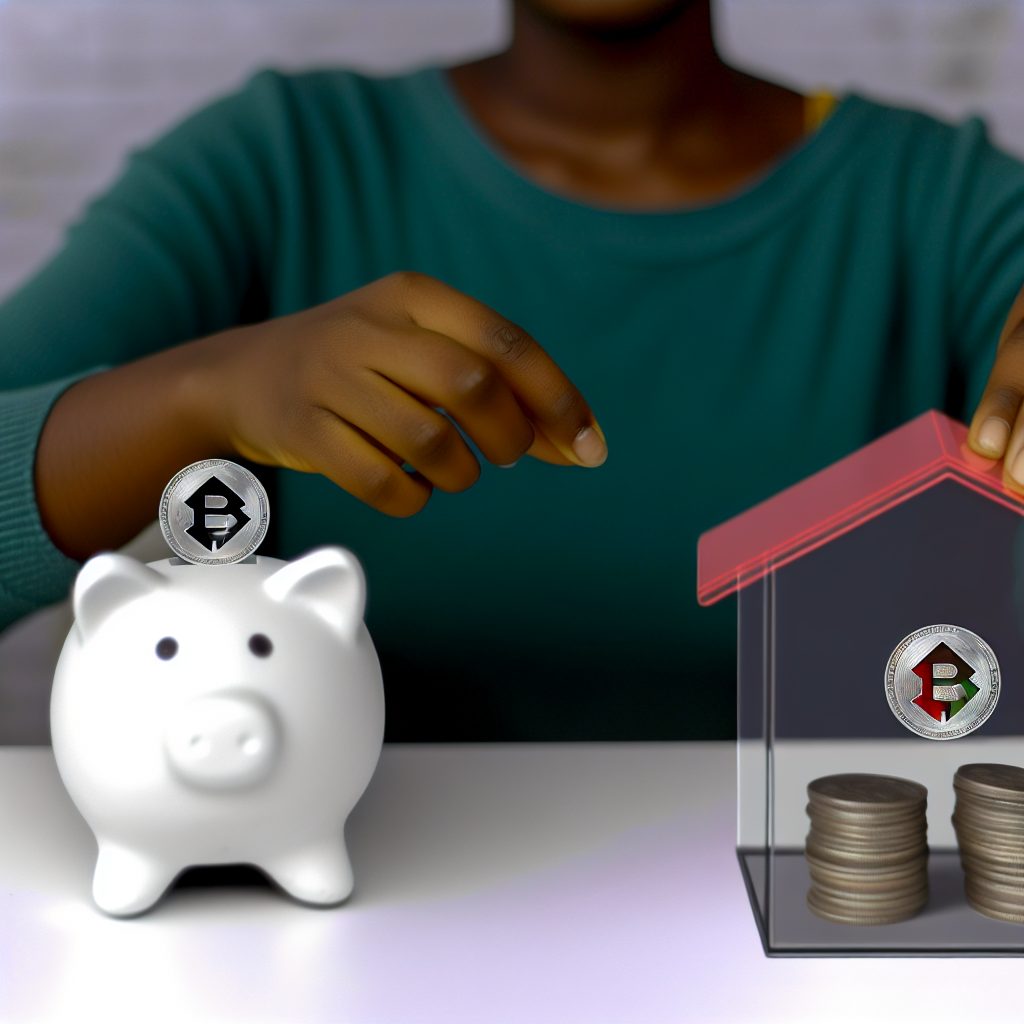
Some popular stablecoins include:
- Tether (USDT): One of the first and most widely used stablecoins, pegged to the US Dollar.
- USD Coin (USDC): A fully-backed stablecoin that is also pegged to the US Dollar, known for its transparency.
- Dai (DAI): A decentralized stablecoin that is pegged to the US Dollar but is backed by a variety of cryptocurrencies.
The appeal of stablecoins lies in their ability to provide the benefits of cryptocurrency—such as fast transactions and low fees—while minimizing the risks associated with price fluctuations.
The Nigerian Real Estate Market
Nigeria’s real estate market has been characterized by rapid growth, driven by urbanization and a growing middle class. However, the market also faces challenges, including inflation, currency devaluation, and a lack of transparency. These factors have made traditional payment methods less reliable for both landlords and tenants.
As a result, many Nigerians are turning to stablecoins as a viable alternative for rent payments. This shift is not only a response to economic pressures but also a reflection of the increasing acceptance of cryptocurrency in the country.
Why Use Stablecoins for Rent Payments?
There are several compelling reasons why Nigerians are opting for stablecoins when it comes to paying rent:
- Stability: Unlike the Nigerian Naira, which has experienced significant devaluation, stablecoins maintain a consistent value, making them a safer option for large transactions like rent.
- Speed: Transactions using stablecoins can be completed almost instantly, allowing for quicker payments and reducing the risk of late fees.
- Lower Fees: Traditional banking systems often impose high fees for international transfers or currency conversions. Stablecoins can significantly reduce these costs.
- Accessibility: With the rise of mobile wallets and cryptocurrency exchanges, accessing stablecoins has become easier for many Nigerians, even those without traditional banking services.
How Nigerians Are Adopting Stablecoins for Rent Payments
The adoption of stablecoins for rent payments in Nigeria is taking place through various channels:
1. Peer-to-Peer Transactions
Many landlords and tenants are engaging in peer-to-peer transactions using stablecoins. This method allows for direct payments without the need for intermediaries, making the process more efficient. Platforms like Binance and Paxful facilitate these transactions, enabling users to buy, sell, and trade stablecoins easily.
2. Real Estate Platforms
Some real estate platforms in Nigeria are beginning to accept stablecoins as a form of payment. These platforms are recognizing the growing demand for cryptocurrency transactions and are adapting their payment systems accordingly. This trend is likely to continue as more users become familiar with stablecoins.
3. Mobile Wallets
Mobile wallets have become increasingly popular in Nigeria, providing users with a convenient way to store and transact with stablecoins. Apps like Trust Wallet and MetaMask allow users to manage their cryptocurrency holdings and make payments directly from their smartphones.
Challenges of Using Stablecoins for Rent Payments
While the use of stablecoins for rent payments offers numerous advantages, there are also challenges that need to be addressed:
- Regulatory Uncertainty: The regulatory landscape for cryptocurrencies in Nigeria is still evolving. This uncertainty can create hesitance among landlords and tenants regarding the legality of using stablecoins for rent payments.
- Volatility of Underlying Assets: Although stablecoins are designed to maintain a stable value, they are still subject to the volatility of the assets they are pegged to. This can create risks for both landlords and tenants.
- Technological Barriers: Not all Nigerians have access to the technology required to use stablecoins effectively. This can limit the adoption of stablecoins in certain demographics.
The Future of Stablecoins in Nigeria
The future of stablecoins in Nigeria looks promising, especially as the country continues to embrace digital currencies. Several factors are likely to influence this trend:
- Increased Awareness: As more Nigerians become educated about cryptocurrencies and their benefits, the adoption of stablecoins for rent payments is expected to grow.
- Regulatory Clarity: As the Nigerian government develops clearer regulations around cryptocurrencies, more landlords and tenants may feel comfortable using stablecoins.
- Technological Advancements: Improvements in mobile technology and internet access will likely facilitate the use of stablecoins, making them more accessible to a broader audience.
FAQs
What are stablecoins?
Stablecoins are cryptocurrencies designed to maintain a stable value by pegging them to a reserve of assets, such as fiat currencies or commodities.
Why are Nigerians using stablecoins for rent payments?
Nigerians are using stablecoins for rent payments due to their stability, speed, lower fees, and accessibility compared to traditional payment methods.
What challenges do Nigerians face when using stablecoins for rent?
Challenges include regulatory uncertainty, the volatility of underlying assets, and technological barriers that may limit access for some users.
Are there real estate platforms in Nigeria that accept stablecoins?
Yes, some real estate platforms in Nigeria are beginning to accept stablecoins as a form of payment, reflecting the growing demand for cryptocurrency transactions.
Conclusion
The use of stablecoins as rent money in Nigeria represents a significant shift in how transactions are conducted in the real estate market. With their stability, speed, and lower fees, stablecoins offer a compelling alternative to traditional payment methods. As awareness grows and regulatory frameworks become clearer, the adoption of stablecoins is likely to increase, paving the way for a more innovative and efficient real estate market in Nigeria.
For more insights into the cryptocurrency industry, including news, airdrops, and new listings, visit Bitrabo. Follow us on X, Instagram, Threads, Facebook, and LinkedIn for the latest updates.
Disclaimer: This article is for informational purposes only and does not constitute financial advice. Always conduct your own research before making any investment decisions.