As the cryptocurrency industry continues to grow, so does the sophistication of cybercriminals. Phishing attacks have become a prevalent threat, targeting unsuspecting users to steal sensitive information and funds. Understanding how to recognize and avoid these attacks is crucial for anyone involved in the crypto space. This comprehensive guide will provide you with the knowledge and tools necessary to protect yourself from phishing scams.
What is Crypto Phishing?
Crypto phishing is a type of cyber attack where fraudsters attempt to deceive individuals into providing sensitive information, such as private keys, passwords, or personal identification details. These attacks often occur through fake websites, emails, or messages that appear legitimate. The goal is to gain unauthorized access to a victim’s cryptocurrency wallet or exchange account.
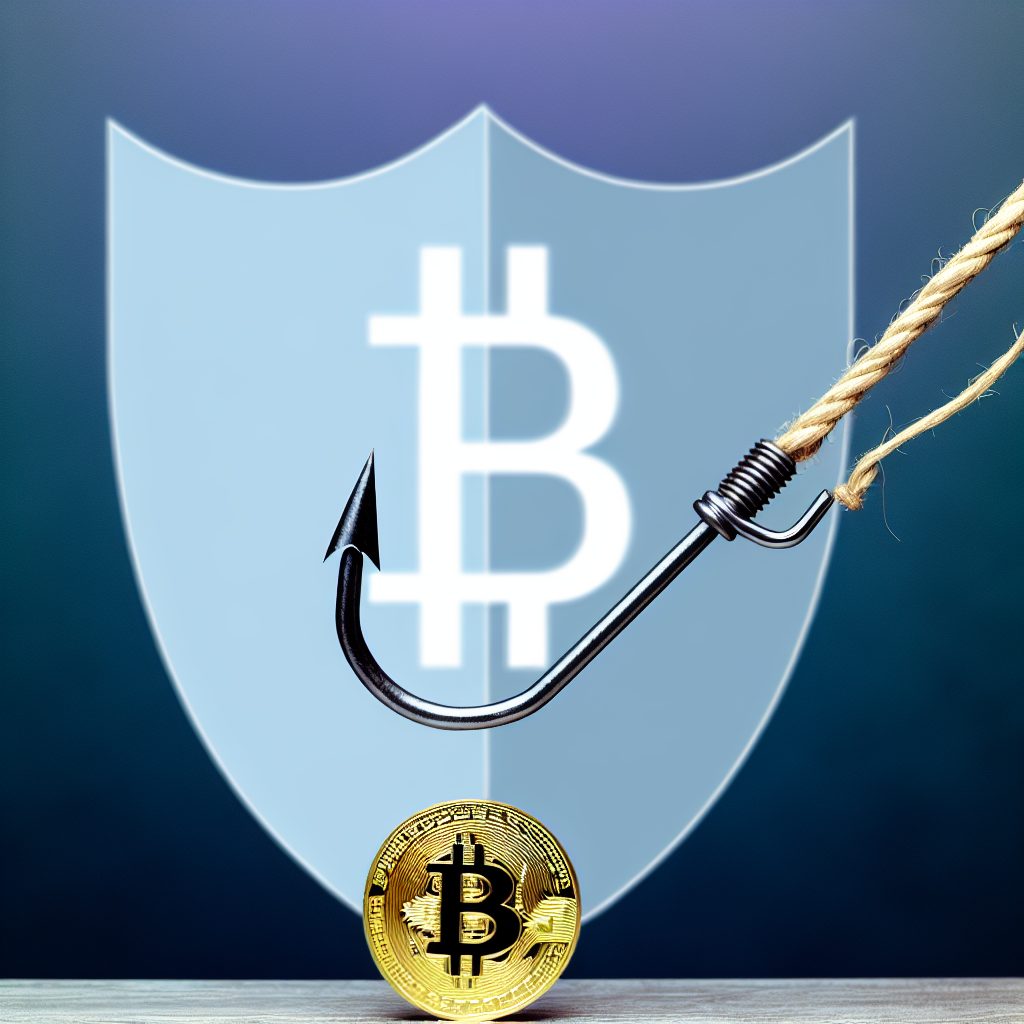
Types of Phishing Attacks in Cryptocurrency
Understanding the various types of phishing attacks can help you identify potential threats. Here are some common methods used by cybercriminals:
- Email Phishing: Attackers send emails that appear to be from legitimate sources, such as exchanges or wallet providers, prompting users to click on malicious links.
- Website Spoofing: Fraudsters create fake websites that mimic real ones, tricking users into entering their credentials.
- Social Media Phishing: Scammers use social media platforms to impersonate legitimate accounts, offering fake giveaways or investment opportunities.
- SMS Phishing (Smishing): Attackers send text messages that contain links to fraudulent websites or request sensitive information.
- Voice Phishing (Vishing): Cybercriminals use phone calls to impersonate support staff from exchanges or wallets, asking for personal information.
Recognizing Phishing Attempts
Identifying phishing attempts is the first step in protecting yourself. Here are some signs to look out for:
- Unusual Email Addresses: Check the sender’s email address carefully. Phishing emails often come from addresses that look similar to legitimate ones but contain slight variations.
- Generic Greetings: Legitimate companies usually address you by your name. Phishing emails often use generic greetings like “Dear User.”
- Urgent Language: Scammers often create a sense of urgency, claiming that your account will be suspended unless you take immediate action.
- Suspicious Links: Hover over links to see the actual URL. If it looks suspicious or does not match the company’s website, do not click it.
- Attachments: Be wary of unexpected attachments, as they may contain malware.
Best Practices to Avoid Phishing Attacks
Implementing best practices can significantly reduce your risk of falling victim to phishing attacks. Here are some effective strategies:
1. Use Two-Factor Authentication (2FA)
Enabling two-factor authentication adds an extra layer of security to your accounts. Even if a hacker obtains your password, they would still need the second factor (usually a code sent to your phone) to access your account.
2. Verify URLs
Always double-check the URL of the website you are visiting. Ensure it starts with https:// and matches the official website of the service you are using. Bookmark important sites to avoid mistyping URLs.
3. Educate Yourself and Others
Stay informed about the latest phishing techniques and educate your friends and family. Awareness is one of the most effective defenses against phishing attacks.
4. Use a Password Manager
A password manager can help you create and store complex passwords securely. This reduces the likelihood of using the same password across multiple sites, which can be a significant risk if one site is compromised.
5. Regularly Monitor Your Accounts
Keep an eye on your cryptocurrency accounts and wallets. Regularly check for unauthorized transactions and report any suspicious activity immediately.
6. Be Cautious with Public Wi-Fi
Using public Wi-Fi networks can expose you to various security risks. Avoid accessing sensitive accounts or making transactions over unsecured networks. If necessary, use a VPN to encrypt your connection.
7. Report Phishing Attempts
If you encounter a phishing attempt, report it to the relevant authorities or the company being impersonated. This helps protect others from falling victim to the same scam.
Tools and Resources for Protection
Several tools and resources can help you stay safe from phishing attacks:
- Anti-Phishing Toolbars: Many web browsers offer toolbars that can help detect phishing sites.
- Security Software: Use reputable antivirus and anti-malware software to protect your devices.
- Phishing Reporting Services: Websites like PhishTank allow users to report and check for phishing sites.
Case Studies: Notable Phishing Attacks in Crypto
Learning from past incidents can provide valuable insights into how phishing attacks operate. Here are a few notable cases:
1. Binance Phishing Attack
In 2020, Binance users received emails that appeared to be from the exchange, prompting them to verify their accounts. Many users fell victim, leading to significant losses. The attack highlighted the importance of verifying email sources and URLs.
2. Ledger Data Breach
In 2020, Ledger, a popular hardware wallet provider, suffered a data breach that exposed customer information. Following the breach, phishing attacks targeting Ledger users surged, with scammers impersonating Ledger support to steal funds. This incident underscored the need for vigilance even after a company has been compromised.
FAQs About Crypto Phishing Attacks
What should I do if I suspect a phishing attempt?
If you suspect a phishing attempt, do not click any links or provide any information. Report the incident to the relevant company and consider changing your passwords.
Can I recover my funds if I fall victim to a phishing attack?
Recovery of funds lost in a phishing attack is often difficult, if not impossible. It is crucial to act quickly and report the incident to your exchange or wallet provider.
How can I educate myself about phishing attacks?
Stay updated on the latest phishing techniques by following reputable crypto news sources, participating in online forums, and attending webinars or workshops focused on cybersecurity.
Is it safe to use cryptocurrency wallets on my mobile device?
While mobile wallets can be convenient, they are also susceptible to phishing attacks. Ensure you download wallets from official sources and keep your device secure with strong passwords and security features.
Conclusion
Phishing attacks pose a significant threat to cryptocurrency users, but by understanding the tactics employed by cybercriminals and implementing best practices, you can protect yourself effectively. Always remain vigilant, educate yourself, and utilize the tools available to enhance your security. For more information and updates on cryptocurrency, visit Bitrabo, your trusted source for crypto news, airdrops, and market insights. Follow us on X, Instagram, Threads, Facebook, and LinkedIn for the latest updates.
Disclaimer: The information provided in this article is for educational purposes only and should not be considered financial advice. Always conduct your own research before making any investment decisions.