The rise of Non-Fungible Tokens (NFTs) has transformed the digital landscape, offering unique opportunities for creators and investors alike. In Africa, the NFT market is gaining traction, presenting a lucrative avenue for those looking to buy and flip these digital assets. This comprehensive guide will walk you through the essential steps, strategies, and considerations for successfully navigating the NFT space in Africa.
Understanding NFTs
Before diving into the buying and flipping process, it’s crucial to understand what NFTs are. NFTs are unique digital assets verified using blockchain technology, which ensures their authenticity and ownership. Unlike cryptocurrencies such as Bitcoin or Ethereum, NFTs cannot be exchanged on a one-to-one basis due to their distinct characteristics.
The NFT Market in Africa
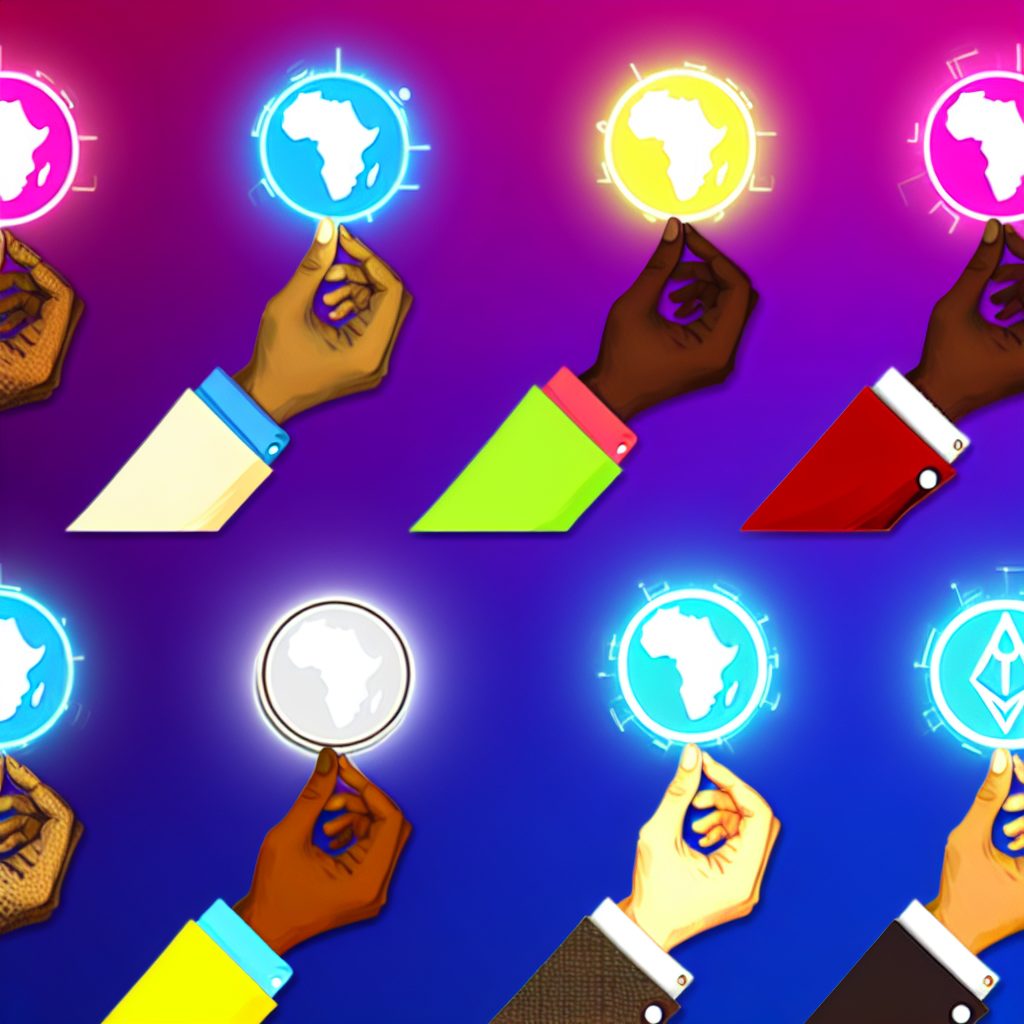
Africa’s NFT market is rapidly evolving, driven by a growing interest in digital art, music, and collectibles. Artists and creators are leveraging NFTs to monetize their work, while investors are exploring opportunities to profit from the increasing demand for unique digital assets.
Key Factors Driving NFT Adoption in Africa
- Creative Expression: Artists are finding new ways to showcase their work and reach global audiences.
- Investment Opportunities: Investors are drawn to the potential for high returns in a burgeoning market.
- Technological Advancements: Increased access to the internet and smartphones is facilitating participation in the NFT space.
- Community Engagement: Local communities are rallying around artists and creators, fostering a supportive ecosystem.
Steps to Buy NFTs in Africa
Buying NFTs involves several steps, from setting up a digital wallet to purchasing your first token. Here’s a detailed breakdown:
1. Set Up a Digital Wallet
Your first step is to create a digital wallet that supports NFTs. Popular options include:
- MetaMask: A widely used wallet that allows you to interact with Ethereum-based NFTs.
- Trust Wallet: A mobile wallet that supports multiple cryptocurrencies and NFTs.
- Coinbase Wallet: A user-friendly option for beginners, integrated with the Coinbase exchange.
After selecting a wallet, follow the setup instructions, ensuring you securely store your recovery phrase.
2. Purchase Cryptocurrency
To buy NFTs, you need cryptocurrency, typically Ethereum (ETH). You can purchase ETH through various exchanges, including:
- Binance: A leading global exchange with a user-friendly interface.
- Coinbase: Ideal for beginners, offering a simple buying process.
- Luno: A popular choice in Africa, allowing users to buy and sell cryptocurrencies easily.
Once you’ve purchased ETH, transfer it to your digital wallet.
3. Choose an NFT Marketplace
Next, select an NFT marketplace to browse and purchase NFTs. Some popular platforms include:
- OpenSea: The largest NFT marketplace, offering a wide range of digital assets.
- Rarible: A decentralized platform that allows users to create and sell NFTs.
- Mintable: A user-friendly marketplace for both buyers and creators.
Sign up for an account on your chosen marketplace and connect your digital wallet.
4. Explore and Buy NFTs
Once your wallet is connected, you can start exploring available NFTs. Look for unique pieces that resonate with you or have potential for appreciation. Pay attention to:
- Artist Reputation: Established artists may have a more stable value.
- Rarity: Limited edition NFTs often command higher prices.
- Market Trends: Stay informed about popular trends and themes in the NFT space.
When you find an NFT you want to purchase, follow the marketplace’s instructions to complete the transaction.
Flipping NFTs: Strategies for Success
Flipping NFTs involves buying low and selling high, similar to traditional asset trading. Here are effective strategies to maximize your profits:
1. Research and Analyze
Before making a purchase, conduct thorough research. Analyze market trends, artist backgrounds, and the historical performance of similar NFTs. Utilize tools like:
- NFT Price Floor: To track the minimum price of NFTs in a collection.
- CryptoSlam: For insights into NFT sales and trends.
2. Timing the Market
Timing is crucial in the NFT market. Monitor market fluctuations and be ready to buy when prices dip. Conversely, sell when demand peaks to maximize your returns.
3. Build a Diverse Portfolio
Investing in a variety of NFTs can mitigate risks. Consider diversifying across different categories, such as:
- Digital Art: Unique artworks from emerging and established artists.
- Music NFTs: Exclusive tracks or albums from musicians.
- Virtual Real Estate: Land and properties in virtual worlds.
4. Engage with the Community
Participating in NFT communities can provide valuable insights and networking opportunities. Join forums, Discord servers, and social media groups to connect with other enthusiasts and stay updated on trends.
Legal and Regulatory Considerations
As the NFT market grows, so do the legal and regulatory frameworks surrounding it. In Africa, regulations may vary by country. It’s essential to stay informed about:
- Tax Implications: Understand how NFT transactions may be taxed in your jurisdiction.
- Intellectual Property Rights: Ensure you have the right to resell any NFTs you purchase.
- Compliance with Local Laws: Familiarize yourself with any regulations specific to your country.
Common Challenges in the NFT Market
While the NFT market offers exciting opportunities, it also presents challenges. Be aware of the following:
- Market Volatility: Prices can fluctuate dramatically, impacting your investment.
- Scams and Fraud: Be cautious of counterfeit NFTs and fraudulent marketplaces.
- Technical Barriers: Navigating blockchain technology can be complex for newcomers.
FAQs
What are NFTs?
NFTs, or Non-Fungible Tokens, are unique digital assets verified on a blockchain, representing ownership of a specific item or piece of content.
How do I buy NFTs in Africa?
To buy NFTs in Africa, set up a digital wallet, purchase cryptocurrency, choose an NFT marketplace, and explore available NFTs for purchase.
Can I flip NFTs for profit?
Yes, flipping NFTs involves buying them at a lower price and selling them at a higher price. Research and market timing are crucial for success.
Are there risks associated with buying NFTs?
Yes, risks include market volatility, potential scams, and legal considerations. It’s essential to conduct thorough research and stay informed.
How can I stay updated on NFT trends?
Engage with NFT communities, follow industry news, and utilize analytics tools to stay informed about market trends and developments.
Conclusion
Buying and flipping NFTs in Africa presents a unique opportunity for both creators and investors. By understanding the market, conducting thorough research, and employing effective strategies, you can navigate this exciting landscape successfully. As the NFT space continues to evolve, staying informed and engaged will be key to maximizing your potential in this burgeoning market.
For more insights and updates on the cryptocurrency industry, visit Bitrabo, your trusted source for crypto news, airdrops, and new listings alerts. Follow us on X, Instagram, Threads, Facebook, and LinkedIn for the latest updates.
Disclaimer: This article is for informational purposes only and does not constitute financial advice. Always conduct your own research before making investment decisions.