How to Buy Bitcoin Safely in Ethiopia
As the world increasingly embraces digital currencies, Bitcoin has emerged as a leading cryptocurrency, attracting interest from various regions, including Ethiopia. With its potential for high returns and the ability to facilitate transactions without intermediaries, many Ethiopians are eager to invest in Bitcoin. However, buying Bitcoin safely requires knowledge and caution. This guide will provide you with comprehensive steps and tips on how to purchase Bitcoin securely in Ethiopia.
Understanding Bitcoin and Its Importance
Bitcoin is a decentralized digital currency that operates on a technology called blockchain. Unlike traditional currencies, Bitcoin is not controlled by any government or financial institution, making it an attractive option for those seeking financial independence. In Ethiopia, where the economy is evolving, Bitcoin offers opportunities for investment, remittances, and online transactions.
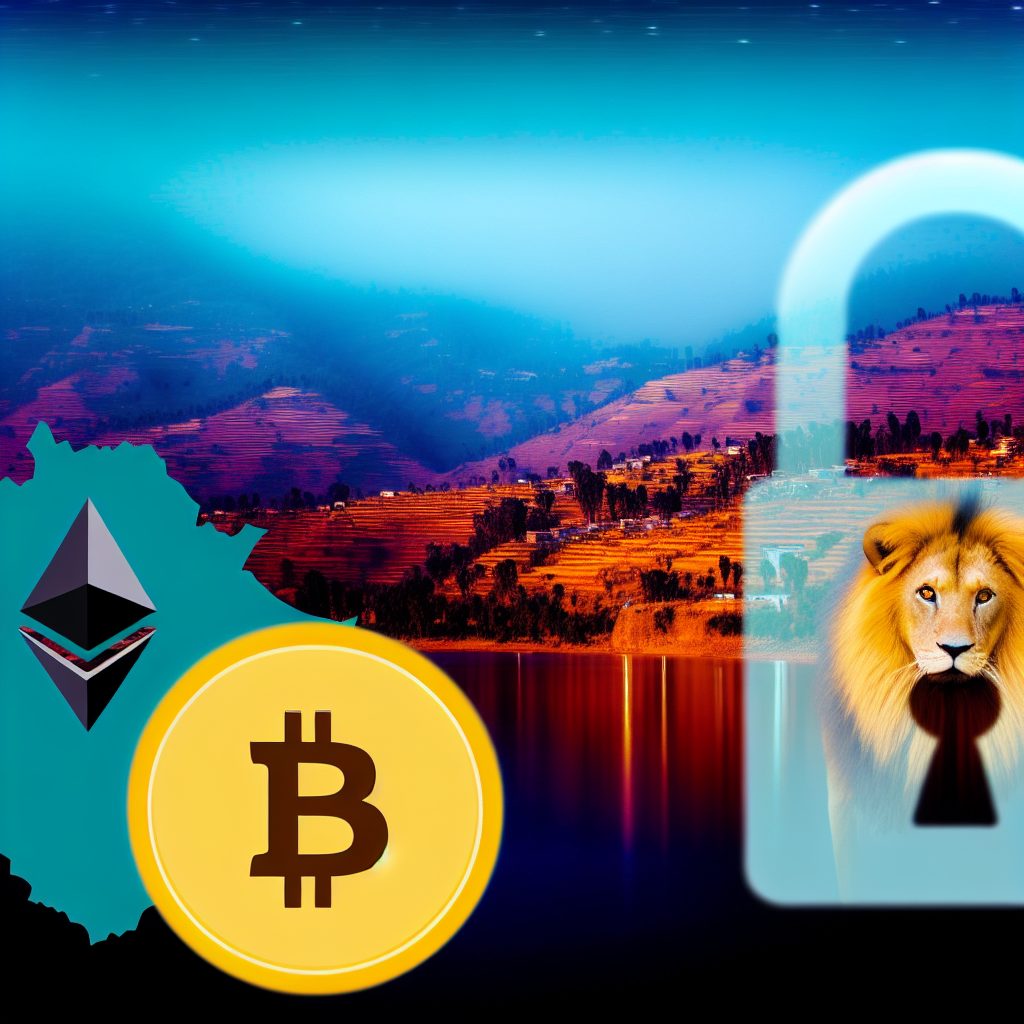
Why Buy Bitcoin in Ethiopia?
There are several reasons why individuals in Ethiopia might consider buying Bitcoin:
- Investment Opportunities: Bitcoin has shown significant price appreciation over the years, making it a potential investment vehicle.
- Remittances: Bitcoin can facilitate cheaper and faster cross-border transactions compared to traditional banking methods.
- Financial Inclusion: With a growing number of people gaining access to the internet, Bitcoin provides an alternative financial system for those without bank accounts.
- Hedge Against Inflation: In times of economic uncertainty, Bitcoin can serve as a store of value.
Steps to Buy Bitcoin Safely in Ethiopia
1. Research and Choose a Reliable Exchange
The first step in buying Bitcoin is selecting a reputable cryptocurrency exchange. In Ethiopia, several exchanges cater to local users. When choosing an exchange, consider the following factors:
- Security: Look for exchanges with strong security measures, such as two-factor authentication (2FA) and cold storage for funds.
- User Reviews: Check online reviews and ratings from other users to gauge the exchange’s reliability.
- Fees: Compare transaction fees, deposit fees, and withdrawal fees across different exchanges.
- Supported Payment Methods: Ensure the exchange supports payment methods that are convenient for you, such as bank transfers or mobile money.
2. Create an Account
Once you have selected an exchange, you will need to create an account. This process typically involves:
- Providing Personal Information: You may need to submit your name, email address, and phone number.
- Verification: Many exchanges require identity verification to comply with regulations. This may involve uploading a government-issued ID and proof of address.
- Setting Up Security Features: Enable two-factor authentication to enhance the security of your account.
3. Deposit Funds
After your account is set up and verified, you will need to deposit funds to buy Bitcoin. Most exchanges offer various deposit methods, including:
- Bank Transfers: A common method for larger transactions.
- Mobile Money: Services like M-Pesa or local mobile wallets can be convenient for smaller amounts.
- Credit/Debit Cards: Some exchanges accept card payments, but be aware of higher fees.
4. Place an Order
With funds in your account, you can now place an order to buy Bitcoin. There are typically two types of orders:
- Market Order: This order buys Bitcoin at the current market price.
- Limit Order: This order allows you to set a specific price at which you want to buy Bitcoin. The order will only execute when the market reaches that price.
5. Store Your Bitcoin Safely
After purchasing Bitcoin, it is crucial to store it securely. Here are some storage options:
- Exchange Wallet: While convenient, keeping your Bitcoin on an exchange is risky due to potential hacks.
- Software Wallets: These are applications that can be installed on your computer or smartphone. They offer more control but are still vulnerable to malware.
- Hardware Wallets: These are physical devices that store your Bitcoin offline, providing the highest level of security.
6. Stay Informed and Monitor Your Investment
The cryptocurrency market is highly volatile. Regularly monitor your investment and stay informed about market trends, news, and regulatory changes that may affect Bitcoin’s value.
Common Risks and How to Mitigate Them
Investing in Bitcoin comes with risks. Here are some common risks and strategies to mitigate them:
- Market Volatility: Bitcoin prices can fluctuate dramatically. Only invest what you can afford to lose.
- Scams and Fraud: Be cautious of phishing scams and fraudulent schemes. Always verify the legitimacy of platforms and offers.
- Regulatory Risks: Stay updated on local regulations regarding cryptocurrency to avoid legal issues.
Frequently Asked Questions (FAQs)
1. Is Bitcoin legal in Ethiopia?
As of 2025, Bitcoin is not officially recognized as legal tender in Ethiopia, but it is not illegal to buy or hold Bitcoin. Always check for the latest regulations.
2. Can I buy Bitcoin with Ethiopian Birr?
Yes, many exchanges and peer-to-peer platforms allow you to buy Bitcoin using Ethiopian Birr through various payment methods.
3. What are the tax implications of buying Bitcoin in Ethiopia?
Tax regulations regarding cryptocurrency can vary. It is advisable to consult with a tax professional to understand your obligations.
4. How can I sell my Bitcoin in Ethiopia?
You can sell your Bitcoin on exchanges or through peer-to-peer platforms. Ensure you follow the same safety measures as when buying.
5. What should I do if I lose access to my Bitcoin wallet?
If you lose access to your wallet, recovery options depend on the type of wallet you are using. Always back up your wallet and keep recovery phrases secure.
Conclusion
Buying Bitcoin in Ethiopia can be a rewarding venture if approached with caution and knowledge. By following the steps outlined in this guide, you can navigate the process safely and effectively. Remember to choose a reliable exchange, secure your investment, and stay informed about market trends and regulations. As the cryptocurrency landscape continues to evolve, being proactive and educated will help you make the most of your Bitcoin investment.
Disclaimer: This article is for informational purposes only and does not constitute financial advice. Always conduct your own research and consult with a financial advisor before making investment decisions.