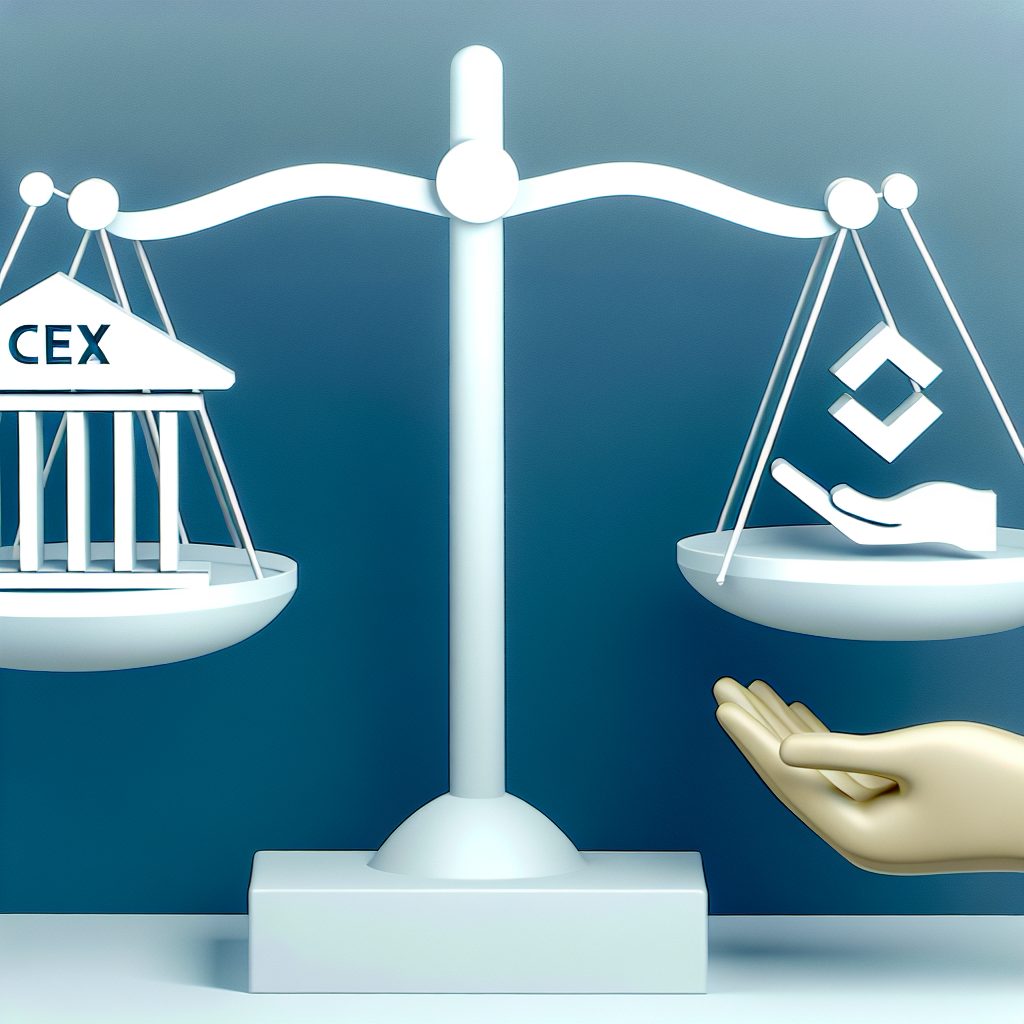
The cryptocurrency landscape offers a variety of trading platforms, primarily categorized into Centralized Exchanges (CEX) and Decentralized Exchanges (DEX). Each type has its unique features, advantages, and disadvantages. Understanding these differences is crucial for making informed trading decisions. This guide will delve into the characteristics of both CEX and DEX platforms, helping you choose the right one for your trading needs.
Understanding Centralized Exchanges (CEX)
Centralized Exchanges are platforms that facilitate the buying and selling of cryptocurrencies through a centralized authority. They act as intermediaries between buyers and sellers, providing a user-friendly interface and various trading features.
Key Features of CEX
- User-Friendly Interface: CEX platforms typically offer intuitive interfaces, making them accessible for beginners.
- High Liquidity: Due to a large number of users, CEX platforms often provide higher liquidity, allowing for quicker trades.
- Advanced Trading Tools: Many CEX platforms offer advanced trading features such as margin trading, futures, and options.
- Customer Support: CEX platforms usually have dedicated customer support teams to assist users with issues.
Advantages of CEX
Choosing a CEX can be beneficial for several reasons:
- Ease of Use: The straightforward design and functionality make it easy for newcomers to navigate.
- Security Measures: CEX platforms often implement robust security protocols, including two-factor authentication (2FA) and cold storage for funds.
- Variety of Trading Pairs: Users can trade a wide range of cryptocurrencies against fiat currencies and other digital assets.
Disadvantages of CEX
Despite their advantages, CEX platforms come with certain drawbacks:
- Centralization Risks: Being centralized means that users must trust the platform to manage their funds securely.
- Regulatory Compliance: CEX platforms are often subject to regulatory scrutiny, which can lead to restrictions on trading in certain jurisdictions.
- Privacy Concerns: Users typically need to provide personal information, which can compromise privacy.
Understanding Decentralized Exchanges (DEX)
Decentralized Exchanges operate without a central authority, allowing users to trade directly with one another. DEX platforms utilize smart contracts on blockchain networks to facilitate trades, providing a different trading experience compared to CEX.
Key Features of DEX
- Peer-to-Peer Trading: DEX platforms enable users to trade directly with one another, eliminating the need for intermediaries.
- Smart Contracts: Trades are executed through smart contracts, ensuring transparency and security.
- Non-Custodial: Users retain control of their private keys and funds, reducing the risk of hacks.
- Privacy: DEX platforms often require minimal personal information, enhancing user privacy.
Advantages of DEX
Opting for a DEX can offer several benefits:
- Enhanced Security: Since users maintain control of their funds, the risk of exchange hacks is significantly reduced.
- Greater Privacy: DEX platforms typically do not require extensive personal information, allowing for anonymous trading.
- Access to New Tokens: DEX platforms often list new and emerging tokens that may not be available on CEX.
Disadvantages of DEX
However, DEX platforms also have their limitations:
- Lower Liquidity: DEX platforms may have lower liquidity compared to CEX, leading to slippage in trades.
- Complexity: The user interface and trading process can be more complex, which may deter beginners.
- Limited Customer Support: DEX platforms often lack dedicated customer support, making it challenging to resolve issues.
Comparative Analysis: CEX vs. DEX
When choosing between CEX and DEX platforms, several factors should be considered:
1. Security
Security is paramount in the cryptocurrency space. CEX platforms invest heavily in security measures, but they are still vulnerable to hacks. DEX platforms, on the other hand, allow users to retain control of their funds, significantly reducing the risk of loss due to exchange hacks.
2. User Experience
CEX platforms generally offer a more user-friendly experience, making them suitable for beginners. DEX platforms may require a deeper understanding of blockchain technology and smart contracts, which can be intimidating for new users.
3. Liquidity
Liquidity is crucial for executing trades efficiently. CEX platforms usually have higher liquidity, allowing for faster transactions. DEX platforms may experience lower liquidity, which can lead to slippage and longer wait times for trades to execute.
4. Privacy
For users concerned about privacy, DEX platforms are often the better choice. They typically require less personal information, allowing for anonymous trading. CEX platforms, however, usually require users to complete KYC (Know Your Customer) procedures, which can compromise privacy.
5. Trading Options
CEX platforms often provide a wider range of trading options, including advanced trading features like margin trading and futures. DEX platforms may have limited trading options, focusing primarily on spot trading.
How to Choose the Right Platform for You
Choosing between a CEX and a DEX depends on your individual needs and preferences. Here are some factors to consider:
1. Trading Experience
If you are a beginner, a CEX may be more suitable due to its user-friendly interface and customer support. However, if you are more experienced and value privacy and security, a DEX might be the better option.
2. Security Preferences
Consider your comfort level with security. If you prefer to have control over your funds, a DEX is the way to go. If you are comfortable with a centralized authority managing your assets, a CEX may be appropriate.
3. Trading Frequency
Frequent traders may benefit from the higher liquidity offered by CEX platforms, while occasional traders might find DEX platforms sufficient for their needs.
4. Privacy Concerns
If privacy is a significant concern for you, a DEX is likely the better choice, as it typically requires less personal information.
5. Available Trading Pairs
Check the available trading pairs on both platforms. If you are interested in trading specific cryptocurrencies, ensure that the platform you choose supports those pairs.
Popular CEX Platforms
Here are some of the most popular CEX platforms in the market:
- Binance: Known for its extensive range of cryptocurrencies and trading pairs.
- Coinbase: A user-friendly platform ideal for beginners.
- Kraken: Offers advanced trading features and high security.
Popular DEX Platforms
Some of the leading DEX platforms include:
- Uniswap: A popular DEX on the Ethereum blockchain, known for its liquidity pools.
- SushiSwap: A community-driven DEX that offers various DeFi features.
- PancakeSwap: A DEX on the Binance Smart Chain, known for its low fees and fast transactions.
FAQs
What is the main difference between CEX and DEX?
The primary difference lies in their structure: CEX platforms are centralized and require users to trust a third party, while DEX platforms are decentralized and allow users to trade directly with one another.
Are CEX platforms safer than DEX platforms?
CEX platforms often have robust security measures, but they are still vulnerable to hacks. DEX platforms allow users to maintain control of their funds, which can enhance security.
Can I trade anonymously on CEX platforms?
No, most CEX platforms require users to complete KYC procedures, which involve providing personal information. DEX platforms typically offer more privacy.
Which platform is better for beginners?
CEX platforms are generally more user-friendly and offer customer support, making them better suited for beginners.
Can I use both CEX and DEX platforms?
Yes, many traders use both types of platforms to take advantage of their unique features and benefits.
Conclusion
Choosing between CEX and DEX platforms ultimately depends on your trading style, security preferences, and experience level. CEX platforms offer user-friendly interfaces and high liquidity, making them ideal for beginners. In contrast, DEX platforms provide enhanced security and privacy, appealing to more experienced traders. By understanding the strengths and weaknesses of each type, you can make an informed decision that aligns with your trading goals.
For the latest updates in the cryptocurrency world, consider joining the Bitrabo Community for news, airdrops, and new listings alerts. Follow Bitrabo on X, Instagram, Threads, Facebook, and LinkedIn for more insights.
Disclaimer: This article is for informational purposes only and should not be considered financial advice. Always conduct your own research before making investment decisions.