The cryptocurrency landscape is vast and diverse, featuring a multitude of tokens that serve various purposes. Among these, utility tokens and meme tokens stand out as two distinct categories. Understanding the differences between them is crucial for investors, traders, and enthusiasts alike. This guide will delve into the characteristics, use cases, and identification methods for both utility and meme tokens, providing you with the knowledge needed to navigate this complex market.
What Are Utility Tokens?
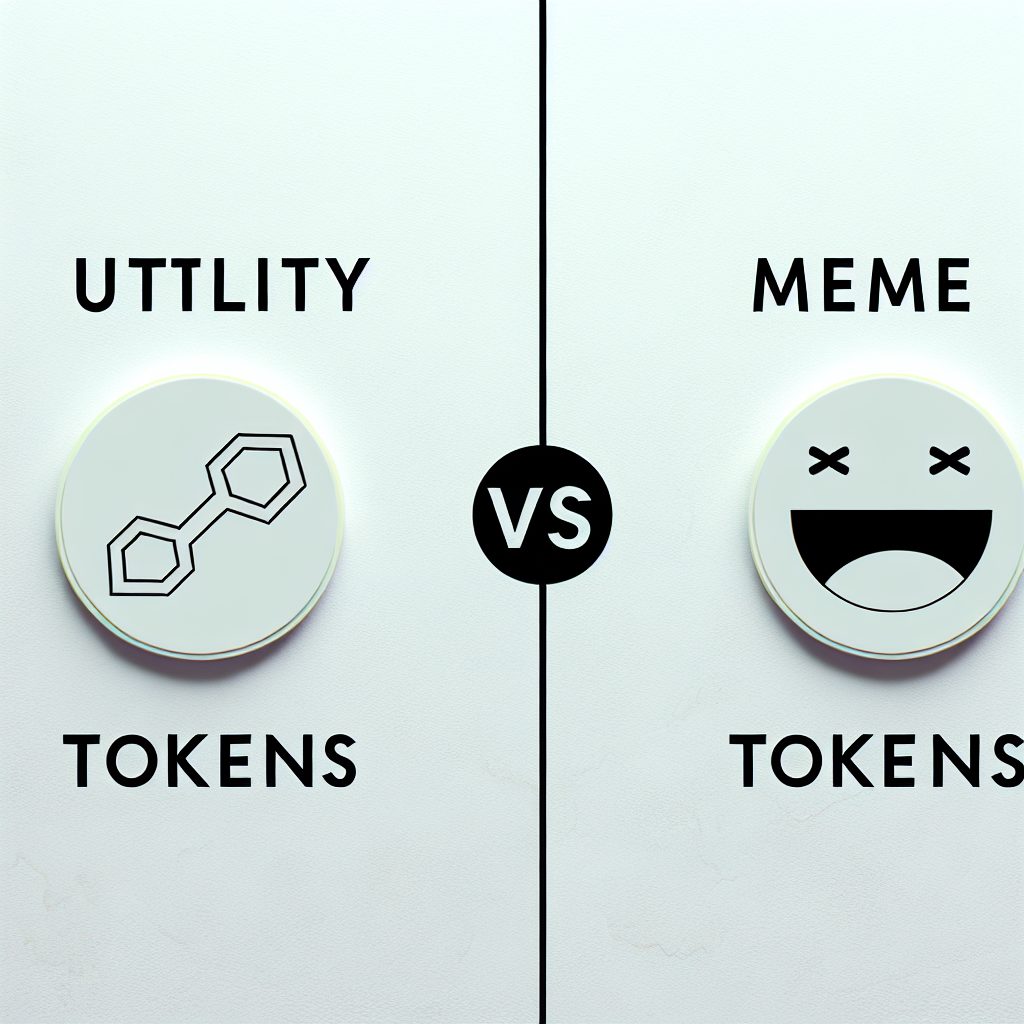
Utility tokens are digital assets designed to provide users with access to a product or service within a specific blockchain ecosystem. They are not intended to serve as investments but rather as a means to facilitate transactions and interactions within their respective platforms.
Characteristics of Utility Tokens
- Functionality: Utility tokens are primarily used to access features or services within a blockchain network. For example, they may be required to pay for transaction fees, access premium features, or participate in governance.
- Value Proposition: The value of utility tokens is often tied to the success and adoption of the platform they are associated with. As the platform grows, so does the demand for its utility token.
- Regulatory Status: Utility tokens are generally not classified as securities, which means they may face fewer regulatory hurdles compared to other types of tokens.
Examples of Utility Tokens
Some well-known utility tokens include:
- Ethereum (ETH): Used to pay for transaction fees and computational services on the Ethereum network.
- Binance Coin (BNB): Utilized for trading fee discounts on the Binance exchange and for various services within the Binance ecosystem.
- Chainlink (LINK): Serves as a payment method for data providers on the Chainlink network.
What Are Meme Tokens?
Meme tokens are cryptocurrencies that are often created as a joke or to capitalize on internet memes. While they may not have a specific utility or purpose, they can gain popularity and value through community engagement and social media buzz.
Characteristics of Meme Tokens
- Community-Driven: The value of meme tokens is largely driven by community sentiment and social media trends. They often rely on viral marketing and community engagement for growth.
- Speculative Nature: Meme tokens are often seen as speculative investments, with prices that can be highly volatile and influenced by trends rather than fundamental value.
- Limited Use Cases: Unlike utility tokens, meme tokens typically lack a defined use case within a blockchain ecosystem.
Examples of Meme Tokens
Some popular meme tokens include:
- Dogecoin (DOGE): Originally created as a joke, Dogecoin has gained a massive following and is often used for tipping and charitable donations.
- Shiba Inu (SHIB): Marketed as a “Dogecoin killer,” SHIB has gained popularity through community-driven initiatives and social media campaigns.
- PepeCoin (PEPE): Based on the popular Pepe the Frog meme, this token has attracted attention for its humorous branding.
Key Differences Between Utility Tokens and Meme Tokens
Identifying whether a token is a utility token or a meme token can be crucial for making informed investment decisions. Here are the key differences:
Purpose and Functionality
Utility tokens are designed to serve a specific function within a blockchain ecosystem, while meme tokens are primarily created for entertainment or speculative purposes. Understanding the intended use of a token can help you determine its classification.
Value Proposition
The value of utility tokens is often tied to the success of the platform they support, whereas meme tokens rely on community sentiment and social media trends. This distinction is essential for evaluating the potential for price appreciation.
Regulatory Considerations
Utility tokens are generally not classified as securities, which can make them more appealing to investors. In contrast, meme tokens may face regulatory scrutiny due to their speculative nature and lack of utility.
How to Identify Utility Tokens
Identifying utility tokens involves examining several key factors:
1. Use Case
Evaluate the token’s use case within its ecosystem. Does it provide access to a service or feature? If so, it is likely a utility token.
2. Whitepaper
Review the project’s whitepaper for detailed information about the token’s purpose, functionality, and roadmap. A well-defined whitepaper is a strong indicator of a legitimate utility token.
3. Community Engagement
Check the project’s community engagement on social media platforms and forums. A strong, active community can indicate a healthy utility token ecosystem.
4. Partnerships and Collaborations
Look for partnerships with established companies or projects. Utility tokens often have collaborations that enhance their value proposition.
How to Identify Meme Tokens
Identifying meme tokens requires a different approach:
1. Origin and Branding
Examine the token’s origin and branding. If it is based on a meme or internet culture, it is likely a meme token.
2. Community Sentiment
Monitor social media platforms for community sentiment. Meme tokens often gain traction through viral marketing and community engagement.
3. Price Volatility
Observe the token’s price movements. Meme tokens tend to exhibit high volatility, with prices influenced by trends and social media buzz.
4. Lack of Utility
Assess whether the token has a defined use case. If it lacks utility within a blockchain ecosystem, it is likely a meme token.
Risks and Considerations
Investing in both utility and meme tokens comes with its own set of risks. Understanding these risks is essential for making informed decisions.
Risks of Utility Tokens
- Market Competition: The success of utility tokens can be affected by competition from other projects offering similar services.
- Regulatory Changes: Changes in regulations can impact the viability of utility tokens, especially if they are reclassified as securities.
- Project Viability: The long-term success of a utility token is tied to the project’s ability to deliver on its promises.
Risks of Meme Tokens
- High Volatility: Meme tokens are often subject to extreme price fluctuations, making them risky investments.
- Lack of Fundamentals: The absence of a solid use case can lead to a lack of intrinsic value, making meme tokens susceptible to market sentiment.
- Scams and Fraud: The popularity of meme tokens can attract scams and fraudulent projects, increasing the risk for investors.
Conclusion
Understanding the differences between utility tokens and meme tokens is essential for navigating the cryptocurrency market effectively. Utility tokens serve specific functions within their ecosystems, while meme tokens thrive on community engagement and social media trends. By examining factors such as use cases, community sentiment, and price volatility, investors can make informed decisions about their cryptocurrency investments.
For those looking to stay updated on the latest trends, news, and opportunities in the cryptocurrency space, consider joining the Bitrabo Community. Follow Bitrabo on X, Instagram, Threads, Facebook, and LinkedIn for the latest updates.
Disclaimer: This article is for informational purposes only and should not be considered financial advice. Always conduct your own research before investing in cryptocurrencies.
FAQs
What is the main difference between utility tokens and meme tokens?
The main difference lies in their purpose: utility tokens provide access to services within a blockchain ecosystem, while meme tokens are often created for entertainment and speculative purposes.
Can meme tokens have any utility?
While some meme tokens may develop use cases over time, they typically lack a defined utility within a blockchain ecosystem at their inception.
Are utility tokens safer investments than meme tokens?
Utility tokens are generally considered safer investments due to their defined use cases and potential for long-term value, whereas meme tokens are highly speculative and volatile.
How can I find reliable information about a token?
Review the project’s whitepaper, check community engagement on social media, and look for partnerships with established companies to assess the reliability of a token.
What should I consider before investing in meme tokens?
Consider the token’s community sentiment, price volatility, and the potential for scams. Always conduct thorough research before investing.