Decentralized Autonomous Organizations (DAOs) have emerged as a revolutionary way to manage communities and projects in the cryptocurrency space. By leveraging blockchain technology, DAOs enable collective decision-making, transparency, and trust among members. This guide will walk you through the essential steps to set up a DAO for your community, ensuring that you have a solid foundation for governance, funding, and operations.
Understanding DAOs
A DAO is an organization represented by rules encoded as a computer program that is transparent, controlled by organization members, and not influenced by a central government. DAOs operate on smart contracts, which are self-executing contracts with the terms of the agreement directly written into code.
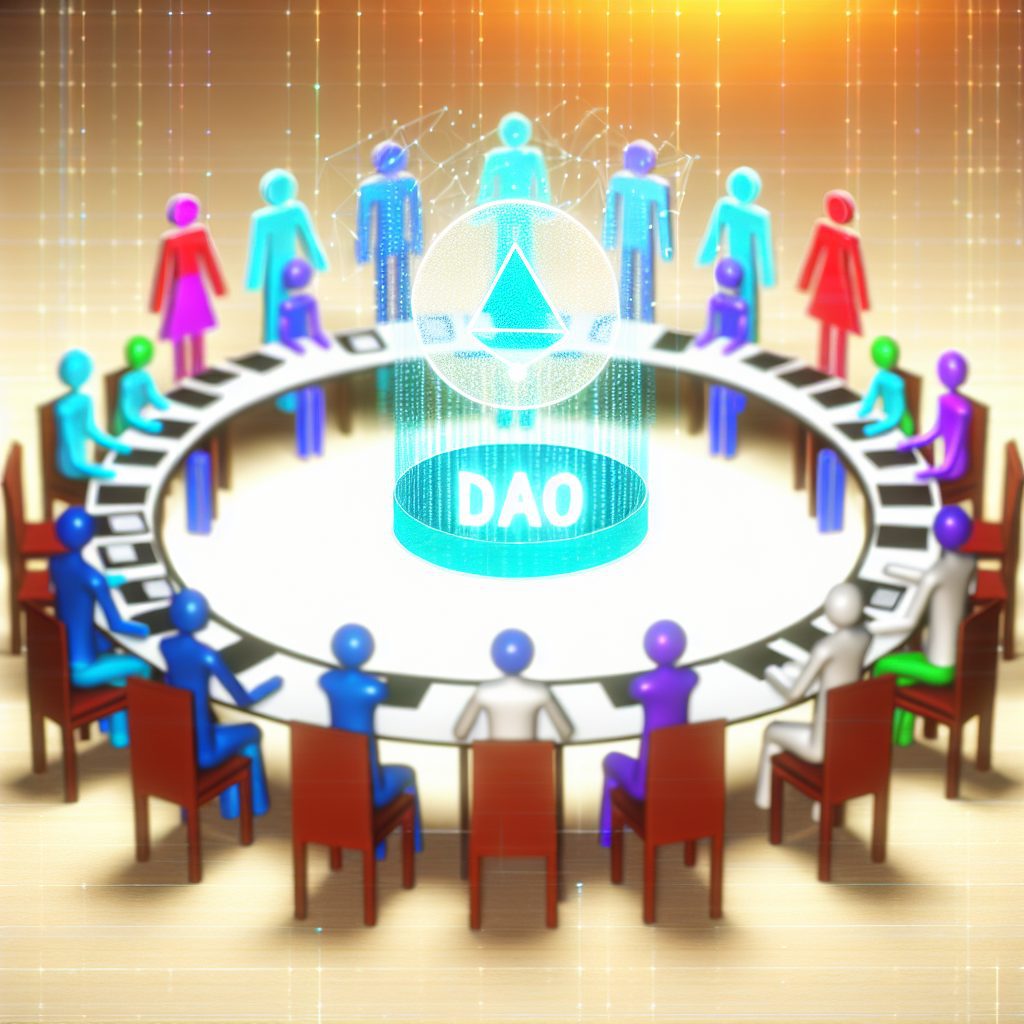
Key characteristics of DAOs include:
- Decentralization: No single entity has control over the organization.
- Transparency: All transactions and rules are visible on the blockchain.
- Autonomy: Operates independently of external influence once deployed.
- Token-based governance: Members use tokens to vote on proposals and decisions.
Why Set Up a DAO?
Establishing a DAO can provide numerous benefits for your community:
- Empowerment: Members have a direct say in the decision-making process.
- Funding: DAOs can raise funds through token sales or contributions.
- Community Building: Fosters a sense of belonging and collaboration among members.
- Innovation: Encourages creative solutions and diverse perspectives.
Steps to Set Up a DAO
1. Define Your Purpose and Goals
Before diving into the technical aspects, it’s crucial to clearly define the purpose of your DAO. Ask yourself:
- What problem does the DAO aim to solve?
- What are the long-term goals of the organization?
- Who are the target members, and what value will they gain?
Having a well-defined mission will guide your decisions and attract like-minded individuals to your community.
2. Choose the Right Blockchain Platform
DAOs can be built on various blockchain platforms, each offering unique features. Some popular options include:
- Ethereum: The most widely used platform for DAOs, known for its robust smart contract capabilities.
- Binance Smart Chain: Offers lower transaction fees and faster confirmation times.
- Polygon: A layer-2 solution for Ethereum that enhances scalability and reduces costs.
- Tezos: Known for its on-chain governance and self-amendment features.
Consider factors such as transaction fees, scalability, and community support when selecting a platform.
3. Create Governance Structure
The governance structure is a critical component of your DAO. It determines how decisions are made and how power is distributed among members. Key elements to consider include:
- Voting Mechanism: Decide whether to use a simple majority, supermajority, or quadratic voting.
- Proposal Process: Outline how members can submit proposals and the criteria for approval.
- Token Distribution: Determine how governance tokens will be distributed among members.
Establishing a clear governance structure will help prevent conflicts and ensure smooth operations.
4. Develop Smart Contracts
Smart contracts are the backbone of your DAO, automating processes and enforcing rules. You can either write your own smart contracts or use existing frameworks. Popular frameworks include:
- MolochDAO: A simple framework for creating DAOs focused on funding.
- Aragon: A platform that provides tools for building and managing DAOs.
- DAOstack: A framework for decentralized governance and collective decision-making.
Ensure that your smart contracts are thoroughly tested and audited to prevent vulnerabilities.
5. Fund Your DAO
Funding is essential for the sustainability of your DAO. Consider the following methods to raise capital:
- Token Sales: Launch a token sale to raise funds from early supporters.
- Grants: Apply for grants from blockchain foundations or organizations.
- Membership Fees: Charge a fee for joining the DAO, which can be used for operational costs.
Be transparent about how funds will be used to build trust within the community.
6. Launch and Promote Your DAO
Once everything is in place, it’s time to launch your DAO. Promote it through various channels:
- Social Media: Use platforms like Twitter, Reddit, and Discord to engage with potential members.
- Community Events: Host webinars or meetups to explain the DAO’s purpose and benefits.
- Partnerships: Collaborate with other projects or DAOs to expand your reach.
Building a strong community is vital for the success of your DAO.
7. Maintain and Evolve Your DAO
After launching, continuous engagement and evolution are necessary. Regularly solicit feedback from members and adapt the governance structure as needed. Consider implementing:
- Regular Updates: Keep members informed about developments and changes.
- Voting on Changes: Allow members to vote on significant changes to the DAO.
- Community Initiatives: Encourage members to propose and lead initiatives that align with the DAO’s goals.
By fostering an active and engaged community, your DAO can thrive and adapt to changing circumstances.
Common Challenges in Setting Up a DAO
While setting up a DAO can be rewarding, it also comes with challenges. Here are some common issues you may encounter:
- Legal Uncertainty: The regulatory landscape for DAOs is still evolving, and compliance can be complex.
- Security Risks: Smart contracts can be vulnerable to hacks if not properly audited.
- Member Engagement: Keeping members active and engaged can be difficult, especially in larger DAOs.
Addressing these challenges proactively can help ensure the long-term success of your DAO.
FAQs
What is the difference between a DAO and a traditional organization?
A DAO operates on a decentralized model, allowing members to participate in decision-making through token-based voting. In contrast, traditional organizations typically have a hierarchical structure with centralized control.
How can I ensure the security of my DAO?
To enhance security, conduct thorough audits of your smart contracts, implement multi-signature wallets, and stay updated on best practices in blockchain security.
Can anyone join a DAO?
Membership criteria vary by DAO. Some DAOs are open to anyone, while others may require specific qualifications or contributions.
How do DAOs handle disputes among members?
DAOs can implement dispute resolution mechanisms, such as mediation processes or voting on resolutions, to address conflicts among members.
Conclusion
Setting up a DAO for your community can empower members, foster collaboration, and drive innovation. By following the steps outlined in this guide, you can create a robust framework for governance and operations. Remember to stay engaged with your community and adapt as needed to ensure the DAO’s success.
For more insights and updates on the cryptocurrency industry, visit Bitrabo. Follow us on X, Instagram, Threads, Facebook, and LinkedIn for the latest news, airdrops, and more.
Disclaimer: This article is for informational purposes only and should not be considered financial advice. Always conduct your own research before making investment decisions.