The evolution of the internet has ushered in a new era of digital ownership, primarily driven by the principles of Web3. This decentralized web paradigm is fundamentally altering how individuals and businesses perceive and manage ownership in the digital realm, particularly within the cryptocurrency industry. In this comprehensive guide, we will delve into the transformative impact of Web3 on digital ownership, exploring its implications, benefits, and challenges.
Understanding Web3
Web3 represents the third generation of the internet, characterized by decentralization, blockchain technology, and user empowerment. Unlike its predecessors, Web1 (the static web) and Web2 (the interactive web), Web3 aims to create a more equitable digital ecosystem where users have control over their data and digital assets.
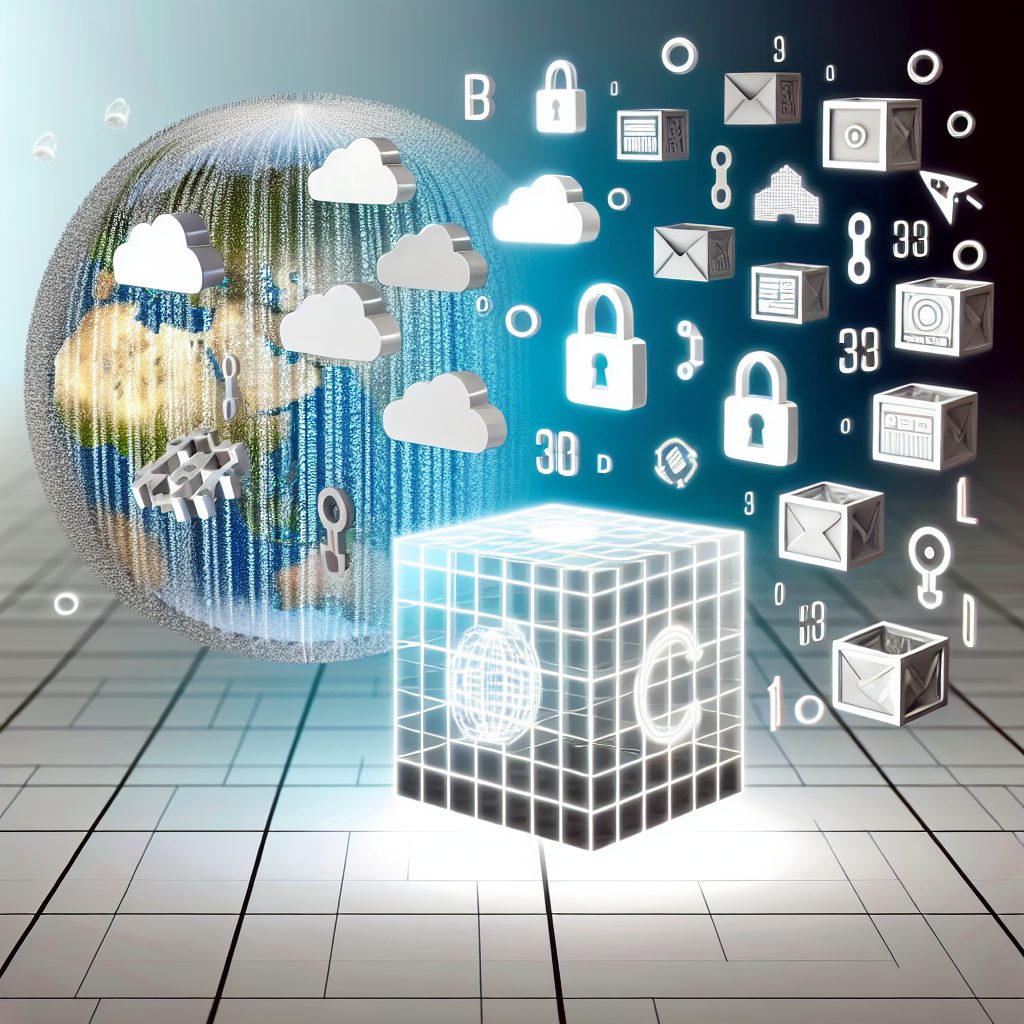
Key features of Web3 include:
- Decentralization: Data is stored across a network of nodes rather than centralized servers, reducing the risk of data breaches and censorship.
- Blockchain Technology: This technology underpins cryptocurrencies and enables secure, transparent transactions without intermediaries.
- Smart Contracts: Self-executing contracts with the terms of the agreement directly written into code, facilitating trustless transactions.
- Tokenization: The process of converting rights to an asset into a digital token, allowing for fractional ownership and easier transferability.
The Shift in Digital Ownership
Digital ownership has traditionally been defined by centralized platforms that control user data and assets. However, Web3 is shifting this paradigm by enabling true ownership through blockchain technology. Here’s how:
1. True Ownership of Digital Assets
In the Web3 ecosystem, users can truly own their digital assets, such as cryptocurrencies, NFTs (Non-Fungible Tokens), and other digital goods. This ownership is secured by blockchain technology, which provides a transparent and immutable record of ownership.
For instance, when a user purchases an NFT, they receive a unique token that verifies their ownership on the blockchain. This contrasts sharply with traditional digital assets, where ownership is often ambiguous and controlled by centralized entities.
2. Empowering Creators
Web3 empowers creators by allowing them to monetize their work directly without intermediaries. Artists, musicians, and content creators can sell their digital creations as NFTs, retaining a larger share of the profits.
Moreover, smart contracts can be programmed to ensure that creators receive royalties every time their work is resold, creating a sustainable income stream. This model fosters a more equitable relationship between creators and consumers.
3. Decentralized Finance (DeFi)
DeFi is a significant component of the Web3 ecosystem, enabling users to engage in financial transactions without traditional banks. Through decentralized applications (dApps), users can lend, borrow, and trade assets directly with one another.
This shift not only democratizes access to financial services but also allows users to maintain ownership of their assets. In DeFi, users retain control over their funds, reducing the risk of loss due to bank failures or regulatory changes.
4. Digital Identity and Privacy
Web3 introduces the concept of self-sovereign identity, where users control their personal data and digital identities. This contrasts with Web2, where platforms often collect and monetize user data without consent.
With decentralized identity solutions, users can selectively share their information, enhancing privacy and security. This shift is crucial in a world where data breaches and privacy concerns are rampant.
Benefits of Web3 for Digital Ownership
The transition to Web3 offers numerous benefits for digital ownership, including:
- Increased Security: Blockchain technology provides a secure environment for transactions, reducing the risk of fraud and hacking.
- Transparency: All transactions are recorded on the blockchain, ensuring transparency and accountability.
- Interoperability: Web3 applications can interact with one another, allowing for seamless asset transfers across platforms.
- Reduced Costs: By eliminating intermediaries, Web3 can lower transaction fees and costs associated with digital ownership.
Challenges and Considerations
While Web3 presents exciting opportunities, it also comes with challenges that must be addressed:
1. Regulatory Uncertainty
The regulatory landscape for cryptocurrencies and digital assets is still evolving. Governments worldwide are grappling with how to regulate Web3 technologies, which can create uncertainty for users and investors.
2. User Experience
Many Web3 applications can be complex and challenging for non-technical users. Improving user experience is essential for widespread adoption.
3. Environmental Concerns
Some blockchain networks, particularly those using proof-of-work consensus mechanisms, have faced criticism for their environmental impact. Transitioning to more sustainable practices is crucial for the long-term viability of Web3.
Real-World Applications of Web3 in Digital Ownership
Several projects and platforms are leading the charge in demonstrating how Web3 is changing digital ownership:
1. NFTs and Digital Art
Platforms like OpenSea and Rarible have revolutionized the art world by allowing artists to tokenize their work as NFTs. This not only provides a new revenue stream for creators but also enables collectors to own unique digital assets.
2. Decentralized Marketplaces
Web3 has given rise to decentralized marketplaces like Origin Protocol and OpenBazaar, where users can buy and sell goods directly without intermediaries. This model enhances privacy and reduces fees.
3. Gaming and Virtual Worlds
Games like Axie Infinity and Decentraland are utilizing Web3 principles to create virtual worlds where players can own in-game assets. Players can trade, sell, or use these assets across different games and platforms.
Future Trends in Web3 and Digital Ownership
As we look ahead, several trends are likely to shape the future of Web3 and digital ownership:
1. Enhanced Interoperability
Future developments will likely focus on improving interoperability between different blockchain networks, allowing for seamless asset transfers and interactions across platforms.
2. Integration with Traditional Finance
As DeFi matures, we can expect greater integration with traditional financial systems, providing users with more options for managing their digital assets.
3. Greater Focus on User Experience
To drive adoption, developers will prioritize creating user-friendly interfaces and experiences that make Web3 accessible to everyone.
FAQs about Web3 and Digital Ownership
What is Web3?
Web3 is the third generation of the internet, characterized by decentralization, blockchain technology, and user empowerment, allowing individuals to have true ownership of their digital assets.
How does Web3 change digital ownership?
Web3 enables true ownership of digital assets through blockchain technology, empowering creators, enhancing privacy, and facilitating decentralized finance.
What are NFTs?
NFTs, or Non-Fungible Tokens, are unique digital assets verified on a blockchain, representing ownership of a specific item, artwork, or piece of content.
What are the benefits of using Web3?
Benefits include increased security, transparency, interoperability, and reduced costs associated with digital ownership.
What challenges does Web3 face?
Challenges include regulatory uncertainty, user experience issues, and environmental concerns related to blockchain technology.
Conclusion
Web3 is fundamentally reshaping the concept of digital ownership, providing users with unprecedented control over their assets and data. As the cryptocurrency industry continues to evolve, the principles of decentralization, transparency, and user empowerment will play a crucial role in defining the future of digital ownership.
For those interested in staying updated on the latest developments in the crypto space, Bitrabo is a trusted community for crypto news, airdrops, new listings alerts, signals, price tracking, and more. Follow Bitrabo on X, Instagram, Threads, Facebook, and LinkedIn.
Disclaimer: This article is for informational purposes only and should not be considered financial advice. Always conduct your own research before making investment decisions.