How Zambians Use DeFi to Get Microloans
The rise of decentralized finance (DeFi) has transformed the financial landscape across the globe, and Zambia is no exception. With a significant portion of the population lacking access to traditional banking services, Zambians are increasingly turning to DeFi platforms to secure microloans. This article delves into how DeFi is reshaping the microloan industry in Zambia, the benefits it offers, and the challenges that come with it.
Understanding DeFi and Microloans
Decentralized finance refers to a financial system built on blockchain technology that operates without intermediaries like banks. It allows users to lend, borrow, and trade assets directly with one another. Microloans, on the other hand, are small loans typically aimed at individuals or small businesses that do not have access to traditional banking services.
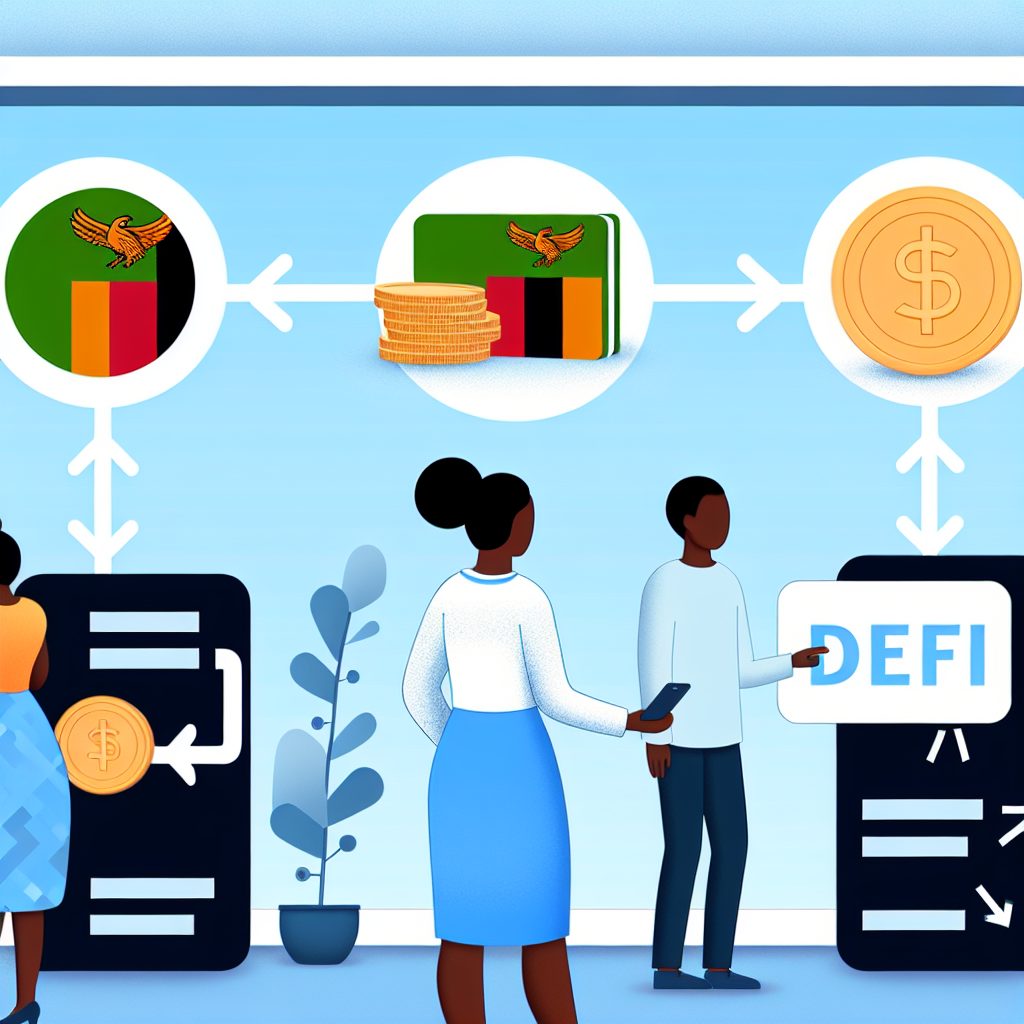
In Zambia, where many people are unbanked or underbanked, DeFi platforms provide an innovative solution to access microloans. By leveraging blockchain technology, these platforms enable users to obtain loans quickly and efficiently, often with lower interest rates than traditional lenders.
The Landscape of DeFi in Zambia
Zambia has seen a surge in the adoption of cryptocurrencies and DeFi platforms. The country’s young population, coupled with increasing internet penetration, has created a fertile ground for the growth of digital finance. According to a report by Statista, internet users in Zambia reached over 6 million in 2023, providing a significant user base for DeFi applications.
Several DeFi platforms have emerged in Zambia, offering various services, including microloans. These platforms utilize smart contracts to automate the lending process, ensuring transparency and security for both lenders and borrowers.
How Zambians Access Microloans through DeFi
Accessing microloans through DeFi platforms in Zambia typically involves a few straightforward steps:
- Creating a Digital Wallet: Users must first create a digital wallet to store their cryptocurrencies. This wallet will be used to interact with DeFi platforms.
- Choosing a DeFi Platform: Zambians can choose from various DeFi platforms that offer microloans. Popular options include Aave, Compound, and local platforms tailored to the Zambian market.
- Depositing Collateral: Most DeFi platforms require borrowers to deposit collateral in the form of cryptocurrency. This collateral secures the loan and reduces the risk for lenders.
- Applying for a Microloan: Once the collateral is in place, users can apply for a microloan. The process is typically quick, with funds being disbursed almost instantly.
- Repaying the Loan: Borrowers must repay the loan along with any interest accrued. This can usually be done in the same cryptocurrency used for the loan.
Benefits of Using DeFi for Microloans in Zambia
The adoption of DeFi for microloans in Zambia offers several advantages:
- Accessibility: DeFi platforms are accessible to anyone with an internet connection, making it easier for unbanked individuals to obtain loans.
- Lower Costs: By eliminating intermediaries, DeFi platforms can offer lower interest rates compared to traditional lenders.
- Speed: The use of smart contracts allows for quick loan approvals and disbursements, often within minutes.
- Transparency: Blockchain technology ensures that all transactions are recorded and visible, reducing the risk of fraud.
- Financial Inclusion: DeFi promotes financial inclusion by providing access to credit for individuals and small businesses that may not qualify for traditional loans.
Challenges Faced by Zambians in Accessing DeFi Microloans
Despite the numerous benefits, there are challenges that Zambians face when accessing microloans through DeFi:
- Lack of Awareness: Many potential users are still unaware of how DeFi works and the opportunities it presents.
- Volatility of Cryptocurrencies: The value of cryptocurrencies can fluctuate significantly, which can impact the amount borrowed and the collateral required.
- Regulatory Uncertainty: The regulatory environment for cryptocurrencies and DeFi in Zambia is still evolving, which can create uncertainty for users.
- Technical Barriers: Some users may lack the technical knowledge required to navigate DeFi platforms effectively.
Popular DeFi Platforms for Microloans in Zambia
Several DeFi platforms are gaining traction in Zambia, providing microloan services tailored to the local market. Here are a few notable ones:
- Aave: Aave is a well-known DeFi lending platform that allows users to borrow and lend various cryptocurrencies. Its user-friendly interface and robust security features make it a popular choice.
- Compound: Compound is another leading DeFi platform that enables users to earn interest on their crypto holdings while also providing microloans.
- Local DeFi Initiatives: Several local startups are emerging, focusing on providing microloans specifically for Zambians. These platforms often cater to the unique needs of the local population.
The Future of DeFi Microloans in Zambia
The future of DeFi microloans in Zambia looks promising. As more individuals become aware of the benefits of decentralized finance, the demand for microloans is expected to grow. Additionally, advancements in blockchain technology and increased internet access will likely enhance the user experience on DeFi platforms.
Moreover, as the regulatory landscape becomes clearer, more traditional financial institutions may begin to explore partnerships with DeFi platforms, further legitimizing the space and expanding access to microloans.
FAQs about DeFi Microloans in Zambia
What is DeFi?
DeFi, or decentralized finance, refers to financial services that operate on blockchain technology without intermediaries like banks. It allows users to lend, borrow, and trade assets directly.
How do microloans work in DeFi?
In DeFi, microloans are typically secured by collateral in the form of cryptocurrency. Borrowers deposit collateral, apply for a loan, and repay it with interest, all facilitated by smart contracts.
Are DeFi microloans safe?
While DeFi platforms offer transparency and security through blockchain technology, they are not without risks. Users should conduct thorough research and understand the volatility of cryptocurrencies before participating.
Can anyone access DeFi microloans in Zambia?
Yes, anyone with an internet connection and a digital wallet can access DeFi microloans in Zambia, making it a more inclusive option compared to traditional banking.
What are the risks associated with DeFi microloans?
Risks include the volatility of cryptocurrency prices, potential technical issues with platforms, and regulatory uncertainties. Users should be aware of these risks before engaging in DeFi lending or borrowing.
Conclusion
The integration of decentralized finance into Zambia’s microloan landscape represents a significant shift towards financial inclusion and accessibility. By leveraging blockchain technology, Zambians can access quick and affordable loans, empowering them to pursue entrepreneurial ventures and improve their financial situations.
As the DeFi ecosystem continues to evolve, it is crucial for users to stay informed about the platforms they choose and the associated risks. For those looking to keep up with the latest developments in the crypto space, platforms like Bitrabo offer valuable resources, including news, airdrops, and price tracking.
Follow Bitrabo on social media for updates: X, Instagram, Threads, Facebook, LinkedIn.
Disclaimer: This article is for informational purposes only and does not constitute financial advice. Always conduct your own research before engaging in any financial activities.