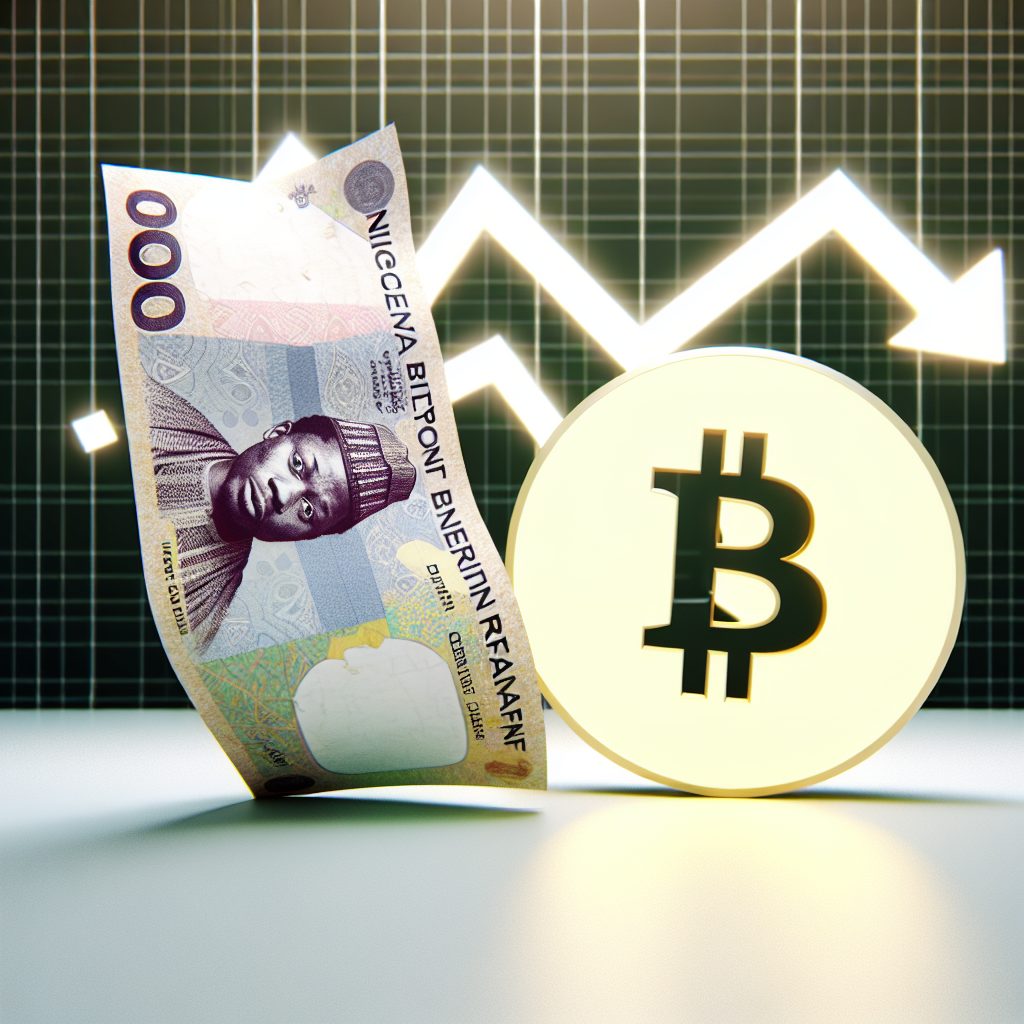
The Nigerian economy has faced numerous challenges over the years, with the Naira experiencing significant fluctuations. As the value of the Naira continues to decline, many Nigerians are turning to alternative financial solutions. One such solution is Bitcoin (BTC), a decentralized cryptocurrency that has gained popularity worldwide. This article delves into the potential of Bitcoin as a safeguard for Nigerians in the event of a Naira crash, exploring its benefits, challenges, and the broader implications for the cryptocurrency industry.
The Current State of the Naira
The Naira has been under pressure due to various factors, including inflation, government policies, and global economic conditions. The Central Bank of Nigeria (CBN) has implemented measures to stabilize the currency, but these efforts have often fallen short. As a result, many Nigerians are concerned about the future of their currency and are seeking alternatives to protect their wealth.
Understanding Bitcoin
Bitcoin, created in 2009 by an anonymous entity known as Satoshi Nakamoto, is the first and most well-known cryptocurrency. It operates on a decentralized network, allowing users to send and receive payments without the need for intermediaries like banks. This decentralization is one of Bitcoin’s most appealing features, especially in countries with unstable currencies.
How Bitcoin Works
Bitcoin transactions are recorded on a public ledger called the blockchain. This technology ensures transparency and security, as each transaction is verified by a network of computers (nodes) around the world. The limited supply of Bitcoin—capped at 21 million coins—also contributes to its value, making it an attractive option for those looking to preserve their wealth.
Why Bitcoin Could Be a Lifeline for Nigerians
As the Naira continues to lose value, Bitcoin presents several advantages for Nigerians:
- Hedge Against Inflation: Bitcoin has historically been viewed as a hedge against inflation. As the Naira depreciates, holding Bitcoin could help preserve purchasing power.
- Accessibility: With the rise of mobile technology, accessing Bitcoin has become easier for many Nigerians. Various platforms allow users to buy, sell, and trade Bitcoin with minimal barriers.
- Decentralization: Bitcoin operates independently of government control, making it an appealing option for those wary of state intervention in financial matters.
- Global Reach: Bitcoin can be sent and received globally, allowing Nigerians to engage in international trade and remittances without the constraints of traditional banking systems.
Challenges of Adopting Bitcoin in Nigeria
While Bitcoin offers numerous benefits, there are also challenges that Nigerians may face when adopting this cryptocurrency:
- Regulatory Uncertainty: The Nigerian government has expressed concerns about cryptocurrencies, leading to regulatory ambiguity. This uncertainty can deter potential users from adopting Bitcoin.
- Volatility: Bitcoin is known for its price volatility. While it can provide significant returns, it can also lead to substantial losses, making it a risky investment.
- Lack of Education: Many Nigerians may not fully understand how Bitcoin works, which can hinder its adoption. Education and awareness are crucial for fostering a knowledgeable user base.
- Security Risks: The rise of cybercrime poses a threat to Bitcoin holders. Users must take precautions to secure their wallets and private keys to avoid theft.
Bitcoin vs. Traditional Financial Systems
Bitcoin’s decentralized nature sets it apart from traditional financial systems. In Nigeria, where the banking infrastructure may be lacking, Bitcoin offers an alternative that can empower individuals. Here are some key differences:
- Control: Traditional banks control users’ funds, while Bitcoin allows individuals to have full control over their assets.
- Transaction Speed: Bitcoin transactions can be processed quickly, often faster than traditional bank transfers, especially for international transactions.
- Fees: Bitcoin transactions can have lower fees compared to traditional banking fees, particularly for cross-border payments.
Case Studies: Bitcoin Adoption in Nigeria
Several initiatives and platforms have emerged in Nigeria to facilitate Bitcoin adoption:
1. Local Exchanges
Local exchanges like Luno and Quidax have made it easier for Nigerians to buy and sell Bitcoin. These platforms provide user-friendly interfaces and educational resources to help new users navigate the cryptocurrency landscape.
2. Peer-to-Peer (P2P) Platforms
P2P platforms such as Binance P2P and Remitano allow users to trade Bitcoin directly with one another. This method bypasses traditional banking systems, enabling users to transact in their local currency.
3. Bitcoin Education Initiatives
Organizations like Bitcoin Africa are working to educate Nigerians about Bitcoin and its benefits. These initiatives aim to demystify cryptocurrency and empower individuals to make informed financial decisions.
The Future of Bitcoin in Nigeria
The future of Bitcoin in Nigeria is promising, but it will depend on several factors:
- Regulatory Clarity: Clear regulations will encourage more people to adopt Bitcoin and other cryptocurrencies.
- Technological Advancements: Improvements in technology will enhance the user experience and security of Bitcoin transactions.
- Community Engagement: Continued efforts to educate and engage the community will foster a more knowledgeable user base.
FAQs
1. Is Bitcoin legal in Nigeria?
Yes, Bitcoin is legal in Nigeria, but the regulatory environment is still evolving. The Central Bank of Nigeria has issued warnings about the risks associated with cryptocurrencies, but it has not outright banned them.
2. How can I buy Bitcoin in Nigeria?
You can buy Bitcoin in Nigeria through local exchanges, P2P platforms, or international exchanges that accept Nigerian users. Ensure you choose a reputable platform and follow security best practices.
3. What are the risks of investing in Bitcoin?
Investing in Bitcoin carries risks, including price volatility, regulatory uncertainty, and security threats. It’s essential to conduct thorough research and only invest what you can afford to lose.
4. Can Bitcoin replace the Naira?
While Bitcoin has the potential to serve as an alternative to the Naira, it is unlikely to fully replace it. Bitcoin can complement the Naira by providing a hedge against inflation and offering a decentralized financial option.
Conclusion
The potential for Bitcoin to serve as a financial lifeline for Nigerians in the event of a Naira crash is significant. With its decentralized nature, accessibility, and ability to hedge against inflation, Bitcoin offers a viable alternative for preserving wealth. However, challenges such as regulatory uncertainty and volatility must be addressed to foster widespread adoption.
As the cryptocurrency landscape continues to evolve, staying informed and engaged with trusted sources like Bitrabo can help you navigate the complexities of the crypto world. Follow Bitrabo on X, Instagram, Threads, Facebook, and LinkedIn for the latest updates, news, and insights into the cryptocurrency market.
Disclaimer: This article is for informational purposes only and should not be considered financial advice. Always conduct your own research and consult with a financial advisor before making investment decisions.