Recent discussions among regulatory bodies and major cryptocurrency exchanges highlight significant developments in the world of asset digitization through blockchain technology. The focus is on understanding the implications of tokenizing traditional assets within a solid regulatory framework.
Kraken Engages with Regulatory Authorities
On the latest agenda, Kraken executives met with officials from the US Securities and Exchange Commission (SEC) to explore the landscape of asset tokenization and the future of a tokenized exchange framework in the United States. The meeting involved key representatives from Kraken, alongside legal experts from Wilmer Cutler Pickering Hale and Dorr LLP.
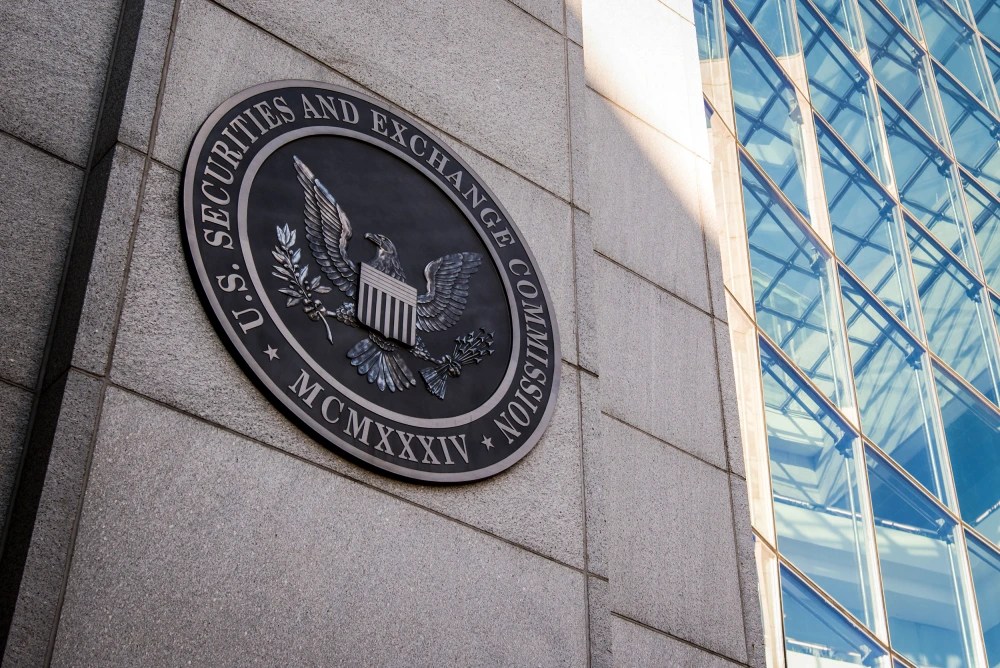
The SEC’s memorandum reflects an agenda focused on identifying compliance mechanisms for digital assets and shaping a comprehensive regulatory structure that would govern a tokenized trading landscape.
Central to the meeting were discussions on the architecture of a tokenized trading ecosystem, its relationship with federal securities laws, the potential for regulatory clarity from the SEC, and the numerous advantages associated with tokenization for investors.
This strategic engagement follows Kraken’s ambition to introduce tokenized stocks of well-known companies to international marketplaces. In a statement from May, Kraken disclosed plans to permit its international clientele to trade tokenized representations of top equities, including renowned companies such as Apple, Tesla, and Nvidia.
With these tokenized equities, users across Europe, Latin America, Africa, and Asia gain the opportunity to trade US stocks outside of standard US market hours, benefiting from lower transaction fees and speedier settlements.
Coinbase, another leading crypto platform, is also pursuing the SEC’s endorsement to offer tokenized stock options. Earlier this year, the company’s Chief Legal Officer, Paul Grewal, highlighted the importance of this new sector as a “top priority” for their operations.
However, for Coinbase to proceed, it must obtain a “no action letter” from the SEC, as regulatory compliance necessitates the registration as broker-dealers for firms engaging in securities trades.
“A no-action letter would provide assurance to issuers of tokenized assets, reassuring them that their offerings align with SEC expectations,” remarked Grewal, emphasizing the need for confidence to encourage institutional investment in blockchain technology.
Challenges in the Tokenized Equity Landscape
Kraken’s initiative for clearer regulations on tokenized equities comes in the wake of growing apprehensions voiced by major stock exchanges worldwide. Recently, the World Federation of Exchanges (WFE) urged regulators to enforce stricter guidelines on tokenized assets, citing concerns that such blockchain tokens could introduce risks to investors and jeopardize market integrity.
This letter, directed to pivotal regulatory bodies including the SEC, emphasized that these tokens could “resemble” traditional stocks while lacking the same rights or protections typically associated with equity holdings.
The World Economic Forum previously identified major obstacles hindering the adoption of tokenized equities, such as inadequate liquidity in secondary markets and the absence of universally accepted standards.
The WFE expressed serious concerns about numerous brokers and crypto platforms offering or planning to introduce tokenized versions of U.S. stocks. They warned that if such tokens fail, the reputational harm could extend to stock issuers.
To mitigate risks, the WFE advocates for regulators to apply existing securities laws to digital tokens, clarify ownership and custody frameworks, and ensure that tokens are not marketed as equivalent to traditional equities, which could mislead investors.