The cryptocurrency landscape is constantly evolving, with Layer 2 solutions emerging as pivotal players in addressing scalability issues. As Ethereum continues to face challenges related to transaction speed and costs, Layer 2 solutions like Arbitrum, Optimism, and Base have gained traction. This guide delves into the intricacies of these three platforms, comparing their features, advantages, and potential drawbacks.
Understanding Layer 2 Solutions
Layer 2 solutions are built on top of a blockchain (Layer 1) to enhance its scalability and efficiency. They aim to reduce congestion on the main chain by processing transactions off-chain while still leveraging the security of the underlying blockchain. This approach allows for faster transactions and lower fees, making blockchain technology more accessible to users.
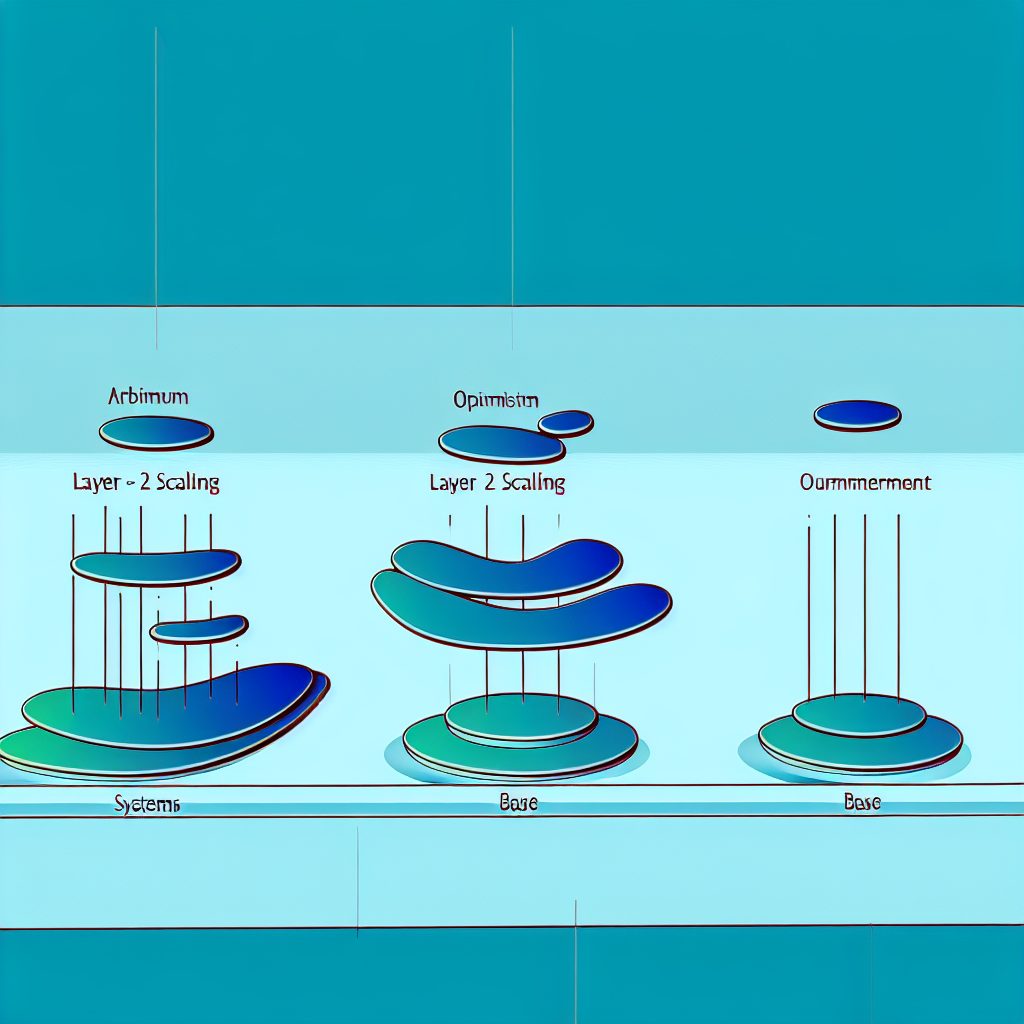
Overview of Arbitrum
Arbitrum is a Layer 2 scaling solution developed by Offchain Labs. It utilizes a technology called Optimistic Rollups, which allows for the execution of smart contracts off-chain while ensuring that the results are verified on-chain. This method significantly reduces the load on the Ethereum network.
Key Features of Arbitrum
- Optimistic Rollups: Transactions are assumed to be valid by default, which speeds up processing times.
- Low Fees: Arbitrum offers significantly lower transaction fees compared to Ethereum’s mainnet.
- Compatibility: It is fully compatible with Ethereum, allowing developers to easily migrate their dApps.
- Security: Arbitrum inherits the security of Ethereum, ensuring that users’ funds are safe.
Advantages of Arbitrum
Arbitrum’s architecture allows for a seamless user experience. The low fees and fast transaction speeds make it an attractive option for developers and users alike. Additionally, its compatibility with Ethereum means that existing dApps can be easily adapted to run on Arbitrum without significant changes.
Potential Drawbacks of Arbitrum
Despite its advantages, Arbitrum is not without challenges. The reliance on Optimistic Rollups means that there is a delay in finality, as transactions must be challenged within a specific timeframe. This could lead to potential vulnerabilities if not managed properly.
Exploring Optimism
Optimism is another Layer 2 solution that employs Optimistic Rollups to enhance Ethereum’s scalability. Developed by Optimism PBC, it aims to provide a user-friendly experience while maintaining the security and decentralization of the Ethereum network.
Key Features of Optimism
- Optimistic Rollups: Similar to Arbitrum, Optimism assumes transactions are valid unless proven otherwise.
- User-Friendly Interface: Optimism focuses on providing an intuitive experience for both developers and users.
- Low Latency: Transactions are processed quickly, reducing wait times for users.
- Developer Support: Optimism offers extensive documentation and support for developers transitioning to its platform.
Advantages of Optimism
Optimism’s commitment to user experience sets it apart. The platform’s focus on developer support and ease of use encourages more projects to migrate to its ecosystem. Additionally, the low fees and fast transaction speeds enhance its appeal to users.
Potential Drawbacks of Optimism
While Optimism has many strengths, it also faces challenges. The reliance on Optimistic Rollups can lead to delays in transaction finality, similar to Arbitrum. Furthermore, the platform’s growth may be hindered by competition from other Layer 2 solutions.
Introducing Base
Base is a relatively new entrant in the Layer 2 scaling arena, developed by Coinbase. It aims to provide a secure and efficient environment for decentralized applications (dApps) while leveraging the Ethereum network’s security.
Key Features of Base
- Modular Architecture: Base employs a modular design that allows for flexibility and scalability.
- Security: Built on Ethereum, Base inherits the security features of the main chain.
- Integration with Coinbase: Base offers seamless integration with Coinbase’s ecosystem, enhancing user accessibility.
- Developer-Friendly: The platform provides tools and resources for developers to build and deploy dApps easily.
Advantages of Base
Base’s integration with Coinbase provides a unique advantage, as it allows users to access a wide range of services within a familiar environment. The modular architecture also enables developers to create scalable applications without the constraints of traditional Layer 1 solutions.
Potential Drawbacks of Base
As a newer platform, Base may face challenges in gaining traction compared to more established solutions like Arbitrum and Optimism. Additionally, its reliance on Coinbase could raise concerns about centralization, which is a critical aspect of the decentralized ethos of blockchain technology.
Comparative Analysis: Arbitrum vs. Optimism vs. Base
When comparing Arbitrum, Optimism, and Base, several factors come into play, including transaction speed, fees, security, and developer support.
Transaction Speed
All three platforms utilize Optimistic Rollups, which generally provide faster transaction speeds than Ethereum’s mainnet. However, the actual speed can vary based on network congestion and the specific implementation of each platform.
Transaction Fees
Transaction fees on Arbitrum and Optimism are significantly lower than those on Ethereum. Base also aims to keep fees low, but its integration with Coinbase may introduce additional costs depending on the services used.
Security
All three platforms inherit the security features of Ethereum, making them relatively secure. However, the reliance on Optimistic Rollups means that there is a potential risk of fraud if transactions are not challenged in time.
Developer Support
Arbitrum and Optimism both offer extensive documentation and support for developers. Base, being a newer platform, is still building its developer community but benefits from Coinbase’s established reputation.
Use Cases for Each Platform
Each Layer 2 solution has its unique use cases, catering to different segments of the cryptocurrency market.
Arbitrum Use Cases
- Decentralized Finance (DeFi): Arbitrum is popular among DeFi projects due to its low fees and fast transaction speeds.
- Gaming: The platform’s scalability makes it suitable for gaming applications that require quick transactions.
Optimism Use Cases
- Decentralized Applications (dApps): Optimism is ideal for developers looking to build user-friendly dApps.
- Token Swaps: The platform’s low fees make it an attractive option for token swaps and exchanges.
Base Use Cases
- Integration with Coinbase Services: Base is well-suited for projects that want to leverage Coinbase’s user base.
- Decentralized Finance (DeFi): Similar to Arbitrum, Base can support DeFi applications with its scalable architecture.
Future Prospects for Layer 2 Solutions
The future of Layer 2 solutions looks promising as the demand for scalable blockchain solutions continues to grow. With Ethereum’s transition to proof-of-stake and ongoing upgrades, Layer 2 platforms will play a crucial role in enhancing the overall user experience.
As more developers and projects migrate to Layer 2 solutions, we can expect increased competition among platforms like Arbitrum, Optimism, and Base. This competition will likely lead to further innovations and improvements in scalability, security, and user experience.
FAQs
What are Layer 2 solutions?
Layer 2 solutions are protocols built on top of a blockchain (Layer 1) to improve scalability and efficiency by processing transactions off-chain while maintaining the security of the main chain.
How do Arbitrum and Optimism differ?
While both use Optimistic Rollups, Arbitrum focuses on compatibility and low fees, whereas Optimism emphasizes user experience and developer support.
Is Base a centralized solution?
Base is built on Ethereum and aims to provide a decentralized environment, but its integration with Coinbase may raise concerns about centralization.
Which Layer 2 solution is best for developers?
Both Arbitrum and Optimism offer extensive support and documentation for developers, making them strong contenders. Base is also developing its resources but may take time to build a robust developer community.
Conclusion
The Layer 2 scaling battle among Arbitrum, Optimism, and Base highlights the ongoing evolution of the cryptocurrency industry. Each platform offers unique features and advantages, catering to different user needs and preferences. As the demand for scalable solutions continues to rise, these Layer 2 solutions will play a vital role in shaping the future of blockchain technology.
For the latest updates on cryptocurrency news, airdrops, and new listings, visit Bitrabo. Follow Bitrabo on X, Instagram, Threads, Facebook, and LinkedIn for more insights and updates.
Disclaimer: This article is for informational purposes only and should not be considered financial advice. Always conduct your own research before making investment decisions.