Understanding Digital Currency
Insightful Facts:
This article provides a comprehensive introduction to digital currencies, detailing the most effective methods for entry and engagement in the crypto market. While numerous options exist, this guide aims to help you navigate the basics.
Key Takeaways
- A straightforward definition of digital currencies & their applications.
- Understanding what assigns value to these currencies including the principles of sound finance.
- The historical progression of currency & why gold became a benchmark.
- An uncomplicated overview of the operation of Bitcoin.
Digital Currency: A New Era of Money
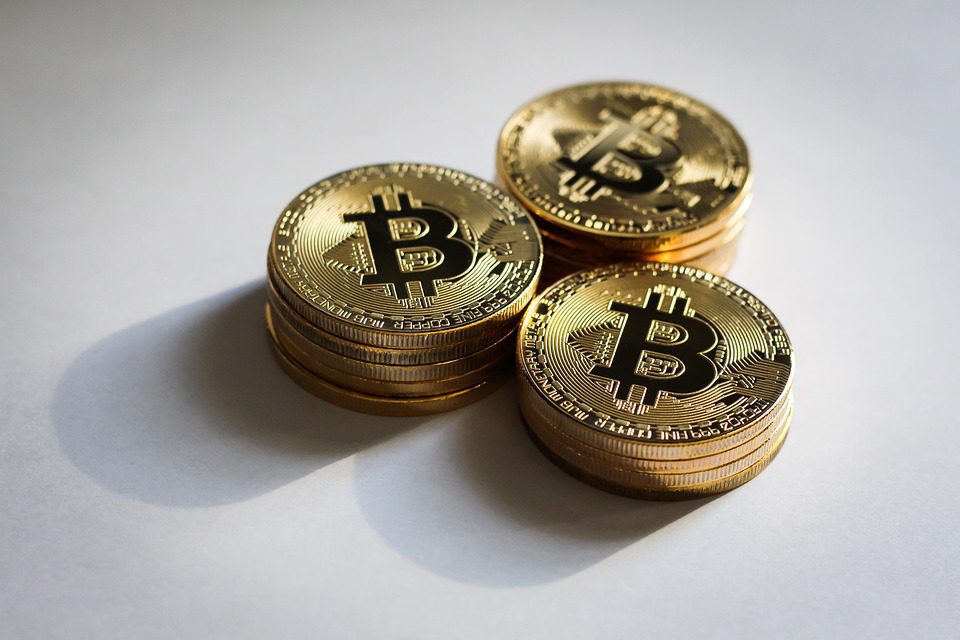
Digital currencies empower individuals to make purchases online, offering seamless transfers globally with minimal fees, requiring only a smartphone and internet access.
What Assigns Value to Digital Currency?
To address this inquiry, we must revisit the history of currency and its evolution.
By tracing the roots of monetary systems, we can distil their essential traits and uncover the framework of sound money.
Recognising the features of sound money allows us to evaluate contemporary monetary systems, revealing the potential advancements digital currency can offer.
Historical Context of Currency
As early humans transitioned from nomadic lifestyles to settled community structures, skills specialization allowed for the exchange of surplus goods. In small communities, exchanging owed goods became manageable through mental tracking, leading to the creation of a trust-based system for trade – for instance, how many grain units equated to one livestock.
Attributes of Sound Money
Inherent qualities of tangible assets such as gold include durability, making it nearly indestructible. Its ability to be melted into smaller units enhances its divisibility, while its relative portability facilitates easy transactions. Additionally, each unit retains identical characteristics, making it fungible.
Gold is also highly recognizable, possessing intrinsic value owing to its unique color and luster.
Gold is not artificially produced; it must be mined, which contributes to its predictable availability. This property of scarcity adds to its effectiveness as both a medium of exchange and a store of value. Therefore, to be recognized as sound money, a currency should ideally contain these essential attributes:
- Durable
- Divisible
- Fungible
- Portable
- Easily Recognized
- Scarce
The Gold Standard: A Historical Overview
In the modern financial landscape, many are questioning the principles of sustainable currency. With traditional systems, trust is placed in governments to regulate monetary supply, leading to what is termed fiat money. This concept implies that its value is derived from government decree rather than intrinsic worth.
Decoding Cryptocurrency
Before diving deep into the realm of cryptocurrency, it’s essential to differentiate: cryptocurrency encompasses broader digital currencies, while a specific cryptocurrency like Ethereum or Litecoin refers to their unique functionalities and ecosystems.
“The future will be digital and decentralized; those who adapt will thrive.” — Anonymous Expert on Cryptocurrency
Cryptocurrency has pioneered a path towards a self-sustaining financial ecosystem without centralised oversight. Let’s examine its core components and benefits.