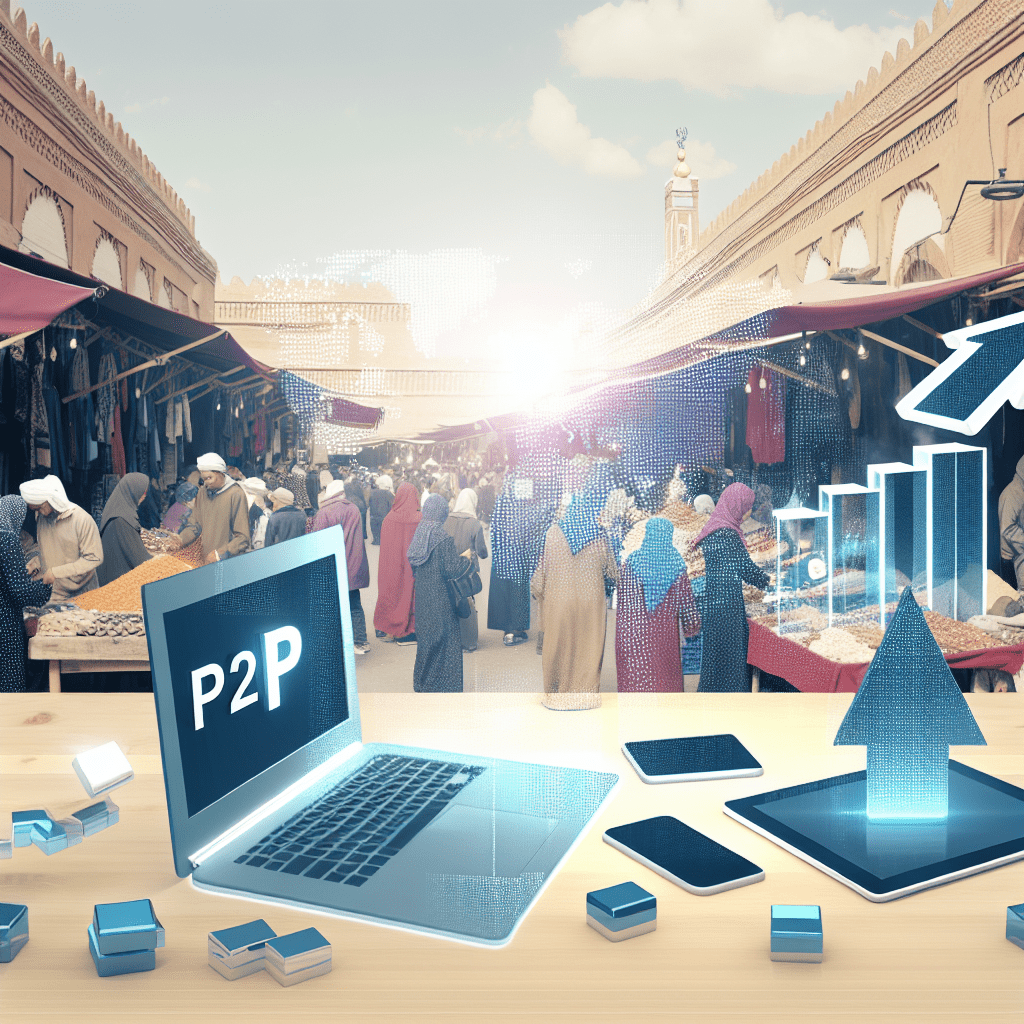
The Rise of P2P Trading in Morocco
The cryptocurrency landscape in Morocco has undergone a significant transformation in recent years, particularly with the emergence of peer-to-peer (P2P) trading. This innovative trading method has gained traction among Moroccan investors and traders, providing them with a unique opportunity to engage in the digital currency market. This article delves into the factors contributing to the rise of P2P trading in Morocco, its benefits, challenges, and the future outlook for this burgeoning sector.
Understanding P2P Trading
P2P trading refers to the direct exchange of cryptocurrencies between individuals without the need for intermediaries such as traditional exchanges. This method allows users to buy and sell cryptocurrencies directly with one another, often using various payment methods. The rise of P2P trading platforms has made it easier for individuals to access cryptocurrencies, especially in regions where traditional banking systems may be less accessible.
The Current State of Cryptocurrency in Morocco
Morocco has seen a growing interest in cryptocurrencies, despite the government’s cautious stance towards digital currencies. In 2017, the Moroccan government issued a ban on the use of cryptocurrencies, citing concerns over fraud and money laundering. However, this ban has not deterred the enthusiasm of Moroccan traders and investors. Instead, many have turned to P2P trading as a way to circumvent regulatory hurdles and engage in the crypto market.
Factors Driving the Growth of P2P Trading in Morocco
- Increased Internet Penetration: The rise of internet accessibility in Morocco has played a crucial role in the growth of P2P trading. With more people gaining access to the internet, the potential user base for cryptocurrency trading has expanded significantly.
- Financial Inclusion: P2P trading offers an alternative for individuals who may not have access to traditional banking services. This is particularly important in rural areas where banking infrastructure is limited.
- Global Trends: The global surge in cryptocurrency adoption has influenced Moroccan traders. As more people worldwide engage with digital currencies, Moroccans are eager to participate in this trend.
- Privacy and Security: P2P trading allows users to maintain a higher level of privacy compared to traditional exchanges. This aspect appeals to many users who are concerned about data security and privacy.
- Variety of Payment Options: P2P platforms often support multiple payment methods, including bank transfers, mobile payments, and cash transactions, making it easier for users to trade.
Popular P2P Trading Platforms in Morocco
Several P2P trading platforms have gained popularity among Moroccan users. These platforms facilitate the buying and selling of cryptocurrencies while providing a secure environment for transactions. Some notable platforms include:
- Binance P2P: Binance, one of the largest cryptocurrency exchanges globally, offers a P2P trading platform that allows users to trade directly with one another.
- Remitano: This platform has gained traction in Morocco, providing a user-friendly interface and various payment options for traders.
- Hodl Hodl: A decentralized P2P trading platform that allows users to trade Bitcoin without the need for an escrow service.
- P2PB2B: This platform offers a wide range of cryptocurrencies and supports various payment methods, making it accessible to Moroccan traders.
Benefits of P2P Trading in Morocco
P2P trading offers several advantages for Moroccan traders, including:
- Accessibility: P2P trading platforms are often more accessible than traditional exchanges, allowing users to trade without extensive verification processes.
- Lower Fees: P2P trading typically incurs lower fees compared to centralized exchanges, making it a cost-effective option for traders.
- Flexibility: Users can negotiate terms directly with one another, allowing for greater flexibility in trading conditions.
- Community Engagement: P2P trading fosters a sense of community among traders, as they interact directly with one another.
Challenges Facing P2P Trading in Morocco
Despite its advantages, P2P trading in Morocco is not without challenges. Some of the key issues include:
- Regulatory Uncertainty: The lack of clear regulations surrounding cryptocurrencies can create uncertainty for traders, potentially deterring new users from entering the market.
- Security Risks: While P2P platforms often implement security measures, users are still at risk of scams and fraudulent transactions.
- Market Volatility: The cryptocurrency market is known for its volatility, which can lead to significant price fluctuations and impact trading strategies.
- Limited Awareness: Many potential users may not be aware of P2P trading or how to engage with it effectively.
The Future of P2P Trading in Morocco
The future of P2P trading in Morocco looks promising, driven by several factors:
- Increased Adoption: As more individuals become aware of cryptocurrencies and their benefits, the adoption of P2P trading is likely to grow.
- Technological Advancements: Innovations in blockchain technology and trading platforms will enhance the user experience and security of P2P trading.
- Regulatory Developments: As the government continues to evaluate its stance on cryptocurrencies, clearer regulations may emerge, providing a more stable environment for traders.
- Community Growth: The growing community of crypto enthusiasts in Morocco will continue to drive interest and participation in P2P trading.
FAQs about P2P Trading in Morocco
What is P2P trading?
P2P trading refers to the direct exchange of cryptocurrencies between individuals without intermediaries, allowing users to buy and sell directly with one another.
Is P2P trading legal in Morocco?
While the Moroccan government has issued warnings against cryptocurrencies, P2P trading itself operates in a gray area. Users should exercise caution and stay informed about regulatory developments.
What are the risks associated with P2P trading?
Risks include potential scams, market volatility, and regulatory uncertainty. Users should conduct thorough research and use reputable platforms to mitigate these risks.
How can I start P2P trading in Morocco?
To start P2P trading, choose a reputable platform, create an account, and follow the platform’s guidelines for buying and selling cryptocurrencies.
What cryptocurrencies can I trade using P2P platforms?
Most P2P platforms support popular cryptocurrencies such as Bitcoin, Ethereum, and Litecoin, among others. The availability may vary by platform.
Conclusion
The rise of P2P trading in Morocco represents a significant shift in how individuals engage with cryptocurrencies. As more Moroccans seek alternative financial solutions and embrace digital currencies, P2P trading offers a viable pathway for participation in the global crypto market. While challenges remain, the potential for growth and innovation in this sector is substantial. By understanding the dynamics of P2P trading and staying informed about market trends, Moroccan traders can navigate this exciting landscape effectively.