In the cryptocurrency industry, the concept of blockchain has revolutionized how we perceive trust, security, and decentralization. At the heart of this technology lies a critical component known as validators. These entities play a pivotal role in maintaining the integrity and security of blockchain networks. This comprehensive guide delves into the multifaceted role of validators, their mechanisms, and their significance in ensuring robust blockchain security.
Understanding Blockchain Technology
Before diving into the specifics of validators, it is essential to grasp the fundamentals of blockchain technology. A blockchain is a decentralized ledger that records transactions across multiple computers. This decentralization ensures that no single entity has control over the entire network, thereby enhancing security and trust.
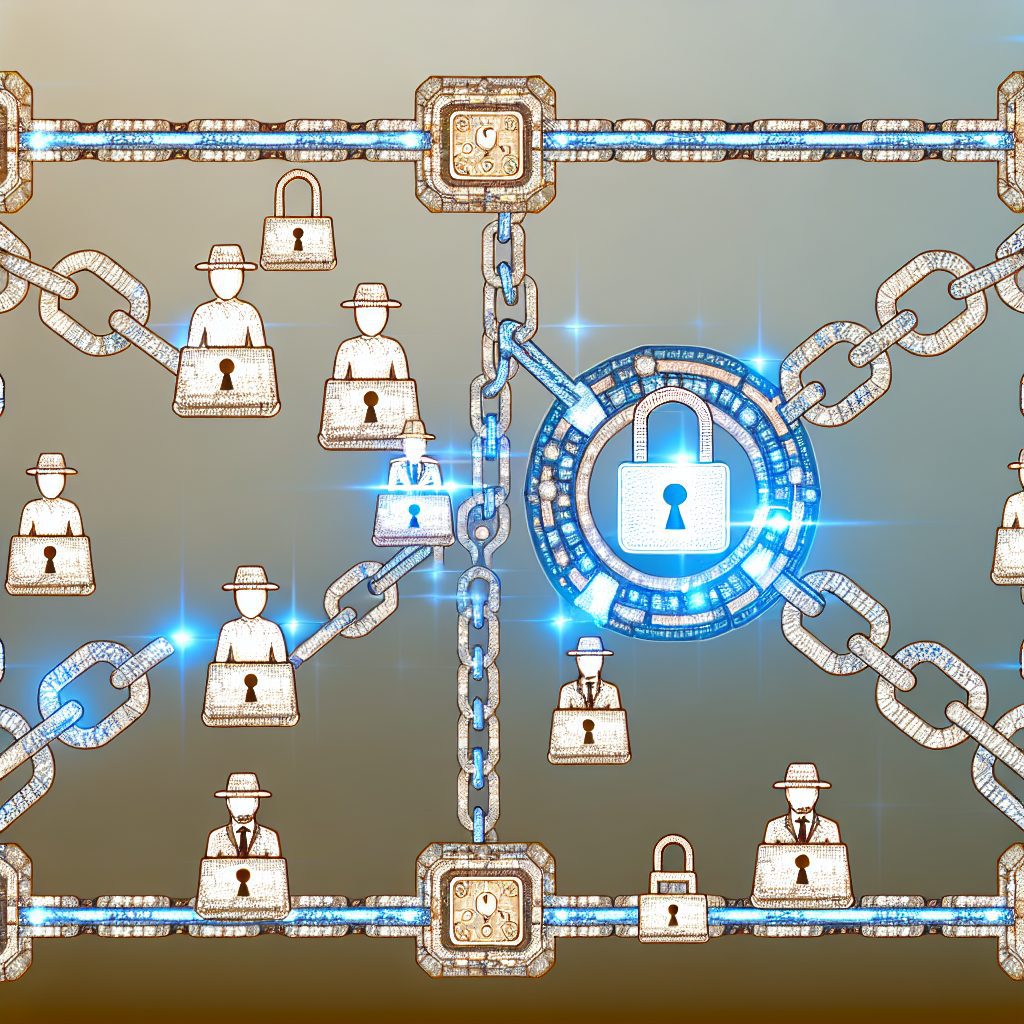
Each block in a blockchain contains a list of transactions, a timestamp, and a cryptographic hash of the previous block. This structure makes it nearly impossible to alter any information without the consensus of the network, which is where validators come into play.
What Are Validators?
Validators are nodes in a blockchain network responsible for verifying transactions and adding them to the blockchain. They play a crucial role in maintaining the network’s security and integrity. Validators can operate under different consensus mechanisms, primarily Proof of Stake (PoS) and its variants, which have gained popularity due to their energy efficiency compared to traditional Proof of Work (PoW) systems.
The Role of Validators in Blockchain Security
Validators contribute to blockchain security in several ways:
- Transaction Verification: Validators confirm the legitimacy of transactions before they are added to the blockchain. This process involves checking the digital signatures and ensuring that the sender has sufficient funds.
- Consensus Mechanism: Validators participate in the consensus process, which is essential for maintaining a single version of the truth across the network. In PoS, validators are chosen to create new blocks based on the number of coins they hold and are willing to “stake” as collateral.
- Incentives and Penalties: Validators are incentivized to act honestly through rewards in the form of transaction fees and newly minted coins. Conversely, dishonest behavior can lead to penalties, including the loss of staked coins.
- Network Security: By requiring validators to stake their assets, PoS systems create a financial disincentive for malicious activities. This economic model enhances the overall security of the blockchain.
Types of Validators
Validators can be categorized based on the consensus mechanism they operate under:
1. Proof of Stake (PoS) Validators
In PoS networks, validators are selected to create new blocks based on the amount of cryptocurrency they hold and are willing to lock up as collateral. This method reduces the energy consumption associated with mining in PoW systems. Examples of PoS blockchains include Ethereum 2.0, Cardano, and Tezos.
2. Delegated Proof of Stake (DPoS) Validators
DPoS is a variation of PoS where stakeholders elect a small number of validators to secure the network. This system aims to increase efficiency and scalability. Notable DPoS blockchains include EOS and TRON.
3. Proof of Authority (PoA) Validators
In PoA networks, validators are pre-approved and must maintain their reputation to continue validating transactions. This model is often used in private or consortium blockchains, where trust is established among a limited number of participants. Examples include VeChain and POA Network.
The Validator Selection Process
The selection of validators varies depending on the consensus mechanism employed by the blockchain. In PoS systems, validators are typically chosen based on the amount of cryptocurrency they hold and are willing to stake. The more coins a validator stakes, the higher their chances of being selected to validate transactions and create new blocks.
In DPoS systems, stakeholders vote for validators, and the top candidates with the most votes are selected to validate transactions. This democratic approach aims to ensure that validators are accountable to the community.
Challenges Faced by Validators
While validators play a crucial role in blockchain security, they also face several challenges:
- Centralization Risks: In some PoS and DPoS systems, a small number of validators may control a significant portion of the network, leading to centralization and potential manipulation.
- Slashing Risks: Validators can face penalties, known as slashing, for malicious behavior or failing to validate transactions correctly. This risk can deter potential validators from participating.
- Technical Expertise: Running a validator node requires technical knowledge and resources, which can be a barrier for many potential participants.
Best Practices for Validators
To ensure the security and efficiency of their operations, validators should adhere to several best practices:
- Maintain Security: Validators should implement robust security measures, including firewalls, DDoS protection, and regular software updates, to safeguard their nodes.
- Stay Informed: Keeping up with the latest developments in the blockchain space is crucial for validators to adapt to changes in protocols and security measures.
- Participate in Governance: Engaging in the governance of the blockchain network can help validators influence decisions that affect the ecosystem.
The Future of Validators in Blockchain Security
The role of validators is expected to evolve as blockchain technology continues to advance. Innovations such as sharding, layer-2 solutions, and cross-chain interoperability may introduce new dynamics in how validators operate and secure networks.
As more projects adopt PoS and its variants, the demand for reliable and efficient validators will increase. This trend may lead to the emergence of professional validator services, allowing individuals to participate in staking without the technical burden of running their own nodes.
FAQs
What is the difference between a validator and a miner?
Validators are responsible for verifying transactions and adding them to the blockchain in Proof of Stake systems, while miners perform similar functions in Proof of Work systems by solving complex mathematical problems to validate transactions.
How do validators earn rewards?
Validators earn rewards through transaction fees and newly minted coins for their participation in the consensus process. The amount earned can vary based on the network’s rules and the validator’s performance.
Can anyone become a validator?
While anyone can become a validator, it often requires a certain amount of cryptocurrency to stake, technical knowledge to run a node, and a commitment to maintaining the network’s security.
What happens if a validator acts maliciously?
If a validator acts maliciously, they can face penalties, including slashing, which involves losing a portion of their staked coins. This economic disincentive helps maintain the integrity of the network.
Conclusion
Validators are integral to the security and functionality of blockchain networks. Their role in transaction verification, consensus mechanisms, and network security cannot be overstated. As the cryptocurrency industry continues to evolve, the importance of reliable and efficient validators will only grow. Understanding their role is crucial for anyone looking to navigate the complexities of blockchain technology.
For more insights and updates on the cryptocurrency landscape, consider joining the Bitrabo Community for news, airdrops, and new listings alerts. Stay connected with us on X, Instagram, Threads, Facebook, and LinkedIn.
Disclaimer: This article is for informational purposes only and should not be considered financial advice. Always conduct your own research before making investment decisions.